Orbitshub

Significance of Ship Hulls in Maritime History and Design

Need Equipment Or Services For Your Ship?
Exploring-the-Anatomy_-The-Hull-of-a-Ship-in-Detail

Ship hulls have been crucial in shaping maritime history, facilitating early exploration, global trade, and naval warfare. From ancient reed boats to modern steel and composite vessels, ship hulls have enabled civilizations to expand horizons, connect distant lands, and enhance economic prosperity. Advances in materials and technology continue to evolve hull designs, improving efficiency, safety, and environmental sustainability in maritime operations.

ComponentDescriptionMaterials UsedConstruction Techniques
BowFront part of the ship, designed to cut through water efficiently.Steel, Aluminum, CompositesBulbous bows, streamlined shapes
SternRear section of the ship, crucial for stability and maneuverability.Steel, Aluminum, CompositesTransom sterns, cruiser sterns
KeelBackbone of the ship, runs from bow to stern, provides structural support and houses ballast.Steel, Heavy metals for ballastContinuous keel with integrated frames
Hull TypesVaries based on the operational requirements.Depends on hull type (wood, steel, aluminum, etc.)Displacement, planing, semi-displacement, semi-submersible, hydrofoil
MaterialsUsed for construction, each has specific properties.Wood, Steel, Aluminum, CompositesChosen based on durability, weight, and resistance
Construction TechniquesMethods used to assemble the hull.Welding, planking, framing, molding

Additionally, we’ll explore the evolution of hull design throughout history, tracing the path from ancient vessels to modern engineering marvels. By understanding the principles behind hull construction, readers will gain insight into how these structures enable ships to navigate treacherous waters confidently and resiliently. Whether you’re a maritime enthusiast, a budding engineer, or simply curious about the mechanics of naval vessels, this guide will illuminate the vital role played by the humble yet indispensable ship hull.

contact-us

The Historical Significance of Ship Hulls

Ship hulls have played a pivotal role in shaping human history, with their historical significance spanning centuries and continents. Here are some key points that underscore their importance:

Demystifying the Hull of a Ship_ Everything You Need to Know

A. Early Maritime Exploration: Ship hulls were instrumental in facilitating early maritime exploration. From the Egyptian reed boats to the Phoenician galleys, these vessels enabled ancient civilizations to venture into uncharted waters, expanding trade routes and cultural exchanges.

B. Age of Exploration: The Renaissance period saw the emergence of iconic ship hulls, such as caravels and galleons, which allowed explorers like Christopher Columbus and Ferdinand Magellan to circumnavigate the globe, opening up new frontiers and connecting distant lands.

C. Naval Warfare: As weapons like frigates, battleships, and aircraft carriers were built, ship hulls became important in naval warfare. These ships greatly affected the outcomes of fights and wars during significant conflicts such as the Napoleonic Wars and World War II.

D. Trade and Globalization: Ship hulls were crucial in the growth of global trade networks, connecting Europe, Asia, Africa, and the Americas. The development of more oversized cargo holds and more efficient hull designs contributed to the economic prosperity of nations.

E. Scientific and Cultural Exchange: Ship hulls transported goods, ideas, cultures, and scientific knowledge. The Age of Enlightenment and the Scientific Revolution were greatly aided by the exchange of ideas facilitated by maritime trade and exploration.

Materials and Construction Techniques of Ship Hulls

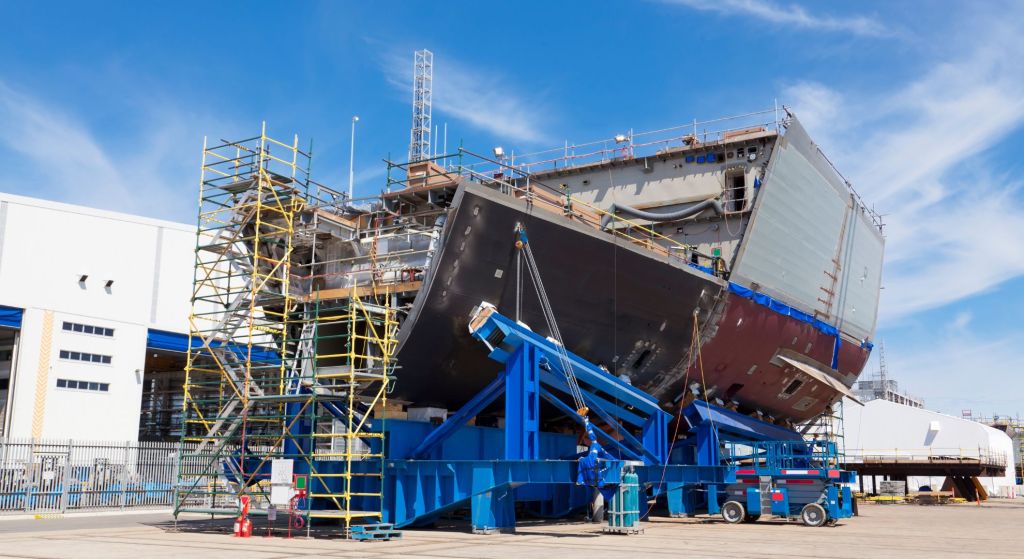
The construction of hull of the ships is a complex process that requires carefully selecting materials and techniques to ensure seaworthiness and durability. Here are some key points:
Navigating the Seas of Ship Hulls_ Key Insights for Mariners

A. Materials:

      • Wood: Historically, wood was the primary material for shipbuilding. Oak, teak, and pine were commonly use for strength and durability.

      • Steel: In the 19th century, steel gained prominence as a shipbuilding material, offering increased strength and resistance to corrosion.

      • Aluminum: Aluminum is used in modern shipbuilding, especially for smaller ships and naval uses, because it is light and doesn’t rust.

      • Composite Materials: Fiberglass, carbon fiber, and other composites are used for their strength-to-weight ratio, making vessels more fuel-efficient.

    B. Construction Techniques:

        • Planking: Wooden ships used planking techniques like carvel and clinker to create the hull. Planks were fastened together using wooden pegs or metal fasteners.

        • Welding: Steel ships are construct by welding plates together, creating a seamless hull.

        • Framing: Frames or ribs give shape and strength to the hull, with different methods like transverse, longitudinal, and semi-monocoque framing.

      Types of Ship Hull Designs

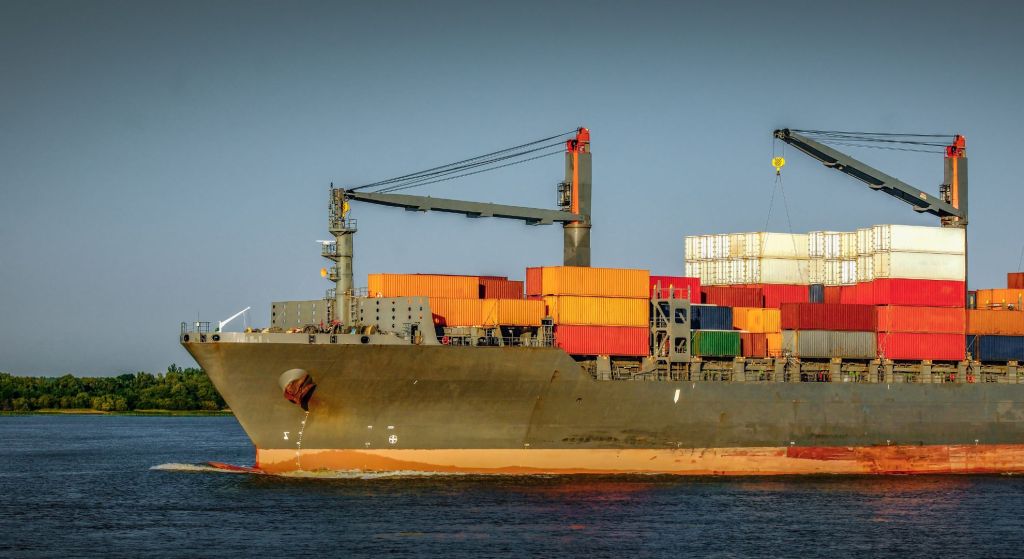
      Ship hull designs vary depending on their intended purpose and operational requirements. Here are some common types:
      Ship Hull Design_ Balancing Functionality and Efficiency

      Monohull

      Monohulls are the most traditional and common type of ship design. They come in various shapes and sizes, and their hulls can be further classified into different types, such as:

      • Displacement Hulls: As mentioned earlier, these hulls move by displacing their weight in water and are known for stability and seakeeping. Examples include large cargo ships and cruise ships.
      • Planing Hulls: These hulls are designed to rise up and glide on the water’s surface at high speeds, commonly used for speedboats and motorboats.
      • Semi-Displacement Hulls: These hulls combine aspects of displacement and planing hulls, offering efficiency at both low and high speeds. They are often used for fishing boats and patrol vessels.

      Catamaran

      Two parallel hulls offer stability and speed, commonly used for ferries and leisure boats.

      • A catamaran’s deck or bridge connects the boat’s two parallel hulls. This design provides excellent stability and a large deck area.
      • They are popular for leisure boats, ferries, and some research vessels. However, catamarans can be more difficult to maneuver than single-hull ships.

      Trimaran

      Three hulls, with a central hull and two smaller outrigger hulls. Offers stability and increased deck space.

      • Three hulls make up a trimaran: two smaller outrigger hulls on either side and the main hull in the middle. This design offers even greater stability than catamarans and can be faster.
      • They are used for racing yachts, some military vessels, and even some ferries.

      Semi-Submersible

      Partially submerged hulls stabilize these vessels for offshore operations and oil rig transport.

      Semi-submersibles are vessels designed to operate with their main deck partially submerged below the waterline. This is achieved through ballast tanks that can be filled with water to lower the vessel.

      Types of Semi-Submersibles:

      • Heavy-Lift Ships: These vessels are designed to transport large and heavy cargo, such as other ships or offshore structures. They submerge their deck to allow the cargo to float on and be secured before de-ballasting and raising the deck above water.
      • Offshore Platforms: These are used in the oil and gas industry for drilling, production, and accommodation. Their semi-submersible design provides stability in rough seas.
      • Naval Vessels: Some military vessels use semi-submersible designs for stealth and other tactical advantages.

      Advantages:

      • Stability: Semi-submersibles are known for their exceptional stability in rough seas due to their low center of gravity and reduced wave impact.
      • Cargo Capacity: Heavy-lift semi-submersibles can carry incredibly large and heavy cargo.
      • Versatility: They can be used for various purposes, including transportation, offshore operations, and military applications.

      Disadvantages:

      • Complexity: They are complex to design and operate, requiring specialized knowledge and equipment.
      • Cost: They are generally more expensive to build and maintain than traditional vessels.

      Hydrofoil

      Hydrofoils lift the hull above the water at speed, reducing drag and increasing speed and fuel efficiency.

      • Hydrofoils are not strictly a hull type but rather a lift-generating mechanism. They are wings or foils mounted on struts beneath the hull of a vessel. As the vessel gains speed, the hydrofoils generate lift, raising the hull out of the water.
      • This reduces drag significantly, allowing hydrofoils to achieve much higher speeds than traditional displacement hulls.
      • They are often used for fast ferries, passenger boats, and even some military vessels.

      Types of Hydrofoils:

      • Surface-piercing: These hydrofoils have a V-shape and partially pierce the water surface when the vessel is foilborne. They are self-stabilizing but can be less comfortable in rough seas due to wave impact.
      • Fully submerged: These hydrofoils are completely submerged and use active control systems to maintain stability and adjust lift. They are more stable in rough seas but require more complex technology.

      Advantages of Hydrofoils:

      • High Speed: Hydrofoils are capable of achieving much higher speeds than traditional displacement hulls due to reduced drag.
      • Efficiency: They can be more fuel-efficient than displacement hulls at high speeds.
      • Smooth Ride: When foilborne, hydrofoils offer a smoother ride than displacement hulls, especially in waves.

      Disadvantages of Hydrofoils:

      • Complexity: They require complex engineering and control systems, making them more expensive to build and maintain.
      • Draft: Hydrofoils can have deeper draft than displacement hulls, limiting their access to shallow waters.
      • Sea Conditions: Their performance can be affected by rough sea conditions, particularly for surface-piercing designs.

      Ship hulls hold immense historical significance, have evolved through various materials and construction techniques, and come in diverse designs to meet specific maritime needs, shaping human exploration, trade, and warfare throughout history.

      Critical Components of Ship Hull: Bow, Stern, and Keel

      The hull of a ship is the essential framework that provides a vessel’s buoyancy, stability, and structural integrity. It is crucial for ensuring the ship’s safety and performance while navigating through the unpredictable waters of oceans and seas.

        Bow

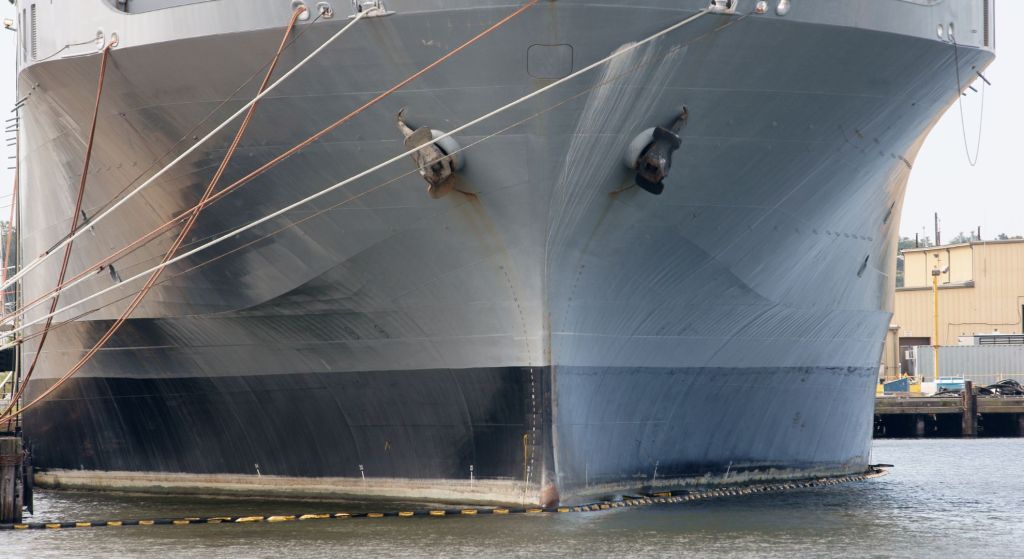
        The bow is the frontmost part of the ship, designed to cut through water efficiently. It is pointed and streamline, allowing the vessel to reduce resistance and move smoothly through waves. The shape of the bow influences a ship’s hydrodynamics and is designe to improve its seakeeping ability. Modern ship designs often incorporate bulbous bows to enhance fuel efficiency and reduce wave resistance.

        Bulbous bow: There is a round bump below the waterline at the bow called a bulbous bow. It is designed to reduce wave-making resistance and improve fuel efficiency.

        Raked bow: A raked bow is a bow that slopes backward from the waterline. It is often used on high-speed vessels to reduce drag.

        Plumb bow: A plumb bow is a bow that is vertical at the waterline. It is a common design for cargo ships and other vessels that prioritize cargo capacity over speed.

        Stern

        The stern is the rear section of the ship. It plays a crucial role in stability and maneuverability. Different types of sterns, such as transom sterns and cruiser sterns, have specific advantages depending on the ship’s purpose. For example, transom sterns provide more deck space and are commonly found in container ships, while cruiser sterns offer better seakeeping performance in rough conditions.

        Cruiser stern: A cruiser stern is a rounded stern that is common on yachts and pleasure boats.

        Transom stern: A transom stern is a flat stern that is common on cargo ships and other vessels that prioritize cargo capacity.

        Canting keel: A canting keel is a type of keel that can be tilted to one side to improve sailing performance.

        Keel

        The keel is the ship’s backbone, running from bow to stern along the bottom. It provides structural support and prevents the vessel from rolling excessively. The keel also houses the ballast, which adds weight to counterbalance the ship’s weight above the waterline, ensuring stability. Moreover, it contains essential elements like the bilge keel, which helps reduce rolling motion.

        Flat keel: A flat keel is a keel that is flat on the bottom. It is a common design for small boats.

        Bar keel: A bar keel is a keel that is made up of a series of bars that are bolted to the hull.

        Fin keel: A fin keel is a keel that is shaped like a fin. It is a common design for sailboats.
        Ship Hulls_ Anatomy, Materials, and Construction Techniques

        Innovations in Modern Ship Hull Technology

        In recent years, the maritime industry has witnessed significant advancements in ship hull technology, revolutionizing vessel performance, safety, and environmental sustainability.

        CategoryInnovationDescription
        Advanced MaterialsHigh-Strength AlloysIncludes materials like HSLA steel, which are stronger and lighter than traditional steel, enhancing cargo capacity and fuel efficiency.
        Advanced CompositesUses materials like carbon fiber and fiberglass to reduce hull weight and improve fuel consumption, with excellent corrosion resistance.
        Hydrodynamic Design OptimizationUses Computational Fluid Dynamics (CFD) to refine hull shapes for minimal resistance, enhancing fuel efficiency with features like bulbous bows and streamlined appendages.
        Air Lubrication SystemsBubble InjectionInjects a layer of air bubbles under the hull to reduce friction and achieve fuel savings up to 15%.
        Micro-BubblesCreates micro-bubbles that adhere to the hull, reducing drag by creating a slippery surface.
        Hull Coatings and TreatmentsAntifouling PaintsPrevents marine organisms like barnacles and algae from attaching to the hull, reducing drag and improving efficiency.
        Hull Cleaning SystemsIncludes robotic or diver-operated systems that clean the hull in operation or at port, maintaining a smooth surface.
        Alternative Propulsion SystemsLNG EnginesLiquefied Natural Gas engines reduce emissions compared to traditional marine diesel.
        Hybrid SystemsCombines diesel engines with electric motors or batteries for efficient operation, particularly in port or at low speeds.
        Fully Electric PropulsionEliminates emissions for short-range vessels like ferries or inland ships, using entirely electric systems.

          Advanced Materials

          Modern shipbuilders use high-strength, lightweight materials such as advanced composites and alloys to construct hulls. These materials offer increased durability, corrosion resistance, and reduced weight, resulting in improved fuel efficiency and lower emissions.

          High-Strength Alloys: These alloys, like HSLA (High Strength Low Alloy) steel, are stronger and lighter than traditional steel, allowing for thinner, lighter hulls without sacrificing structural integrity. This translates to increased cargo capacity and fuel efficiency.

          Advanced Composites: Carbon fiber and fiberglass composites are incredibly strong and lightweight, further reducing hull weight and improving fuel consumption. They also offer excellent corrosion resistance, reducing maintenance needs.

          Hydrodynamic Design Optimization

          Computational fluid dynamics (CFD) and advanced simulation techniques refine the hull’s shape for optimal hydrodynamic performance. This includes integrating features like bulbous bows, redesigned hull forms, and streamlined appendages to reduce resistance and enhance fuel efficiency.

          Computational Fluid Dynamics (CFD): This technology simulates how water flows around the hull, enabling naval architects to optimize its shape for minimal resistance. By reducing drag, ships can achieve significant fuel savings.

          Bulbous Bows: These distinctive protrusions below the waterline at the bow create a wave interference pattern that cancels out some of the ship’s own waves, reducing resistance and improving efficiency.

          Winged Rudders and Appendages: These carefully designed additions to the hull can further reduce drag and improve maneuverability.

          Air Lubrication Systems

          Air lubrication technology involves injecting a layer of bubbles beneath the hull to reduce friction between the ship and the water. This innovation has notably reduced fuel consumption and emissions, especially during cruising.

          Bubble Injection: By injecting a layer of air bubbles under the hull, friction between the hull and water is reduced, similar to an air hockey table. This can result in fuel savings of up to 15%.

          Micro-Bubbles: Some systems create micro-bubbles that adhere to the hull, creating a slippery surface that further reduces drag.

          Hull Coatings and Treatments

          Specialized coatings, such as antifouling paints and hull cleaning systems, prevent marine growth and biofouling, maintaining hull smoothness and performance efficiency. These technologies contribute to prolonged service intervals and fuel savings.

          Antifouling Paints: These specialized paints prevent marine organisms like barnacles and algae from attaching to the hull. This growth increases drag and fuel consumption, so preventing it is crucial for efficiency.

          Hull Cleaning Systems: Robotic or diver-operated systems can clean the hull while the ship is in operation or at port, maintaining a smooth surface and minimizing the need for dry-docking.

          Alternative Propulsion Systems

          Innovations in propulsion systems, including LNG engines, hybrid systems, and even fully electric propulsion, influence hull design. These technologies reduce environmental impact and necessitate adjustments in hull layout to accommodate different power sources.

          LNG (Liquefied Natural Gas) Engines: LNG is a cleaner-burning fuel than traditional marine diesel, reducing emissions of sulfur oxides and particulate matter.

          Hybrid Systems: Combining diesel engines with electric motors or batteries allows for more efficient operation, especially at lower speeds or when maneuvering in port.

          Fully Electric Propulsion: For short-range vessels like ferries or inland ships, electric propulsion can eliminate emissions entirely, making them more environmentally friendly.

          Related FAQs

          The primary purpose of a ship’s hull is to provide buoyancy, support the entire weight of the vessel, and resist the forces encountered during navigation. It serves as a protective barrier against water and external elements.

          There are several types of hull designs, including displacement hulls (standard in cargo ships), planing hulls (found in speedboats), semi-displacement hulls (often seen in yachts), and round bilge hulls (utilized in many modern vessels).

          Steel, aluminum, and fiberglass are commonly use in ship hull construction. Each material has specific properties that cater to different types of vessels. Steel, for instance, is known for its strength and durability, making it a popular choice for larger ships.

          Critical features of a ship’s hull include the keel, which forms the spine of the vessel; the plating that forms the sides, bottom, and deck, as well as frames and bulkheads, which provide structural support and maintain the hull’s shape.

          The hull’s body, known as its form, is carefully design to minimize resistance and maximize efficiency. Factors like water displacement, speed requirements, and environmental conditions are all considered during the design process.

          Regular inspections, cleaning, and protective coatings are crucial for maintaining a ship’s hull integrity. These practices help prevent corrosion, fouling, and other forms of damage that can compromise the safety and performance of the vessel.

          A ship’s hull stands as a testament to human ingenuity and engineering prowess. It’s a marvel of design and functionality, pivotal in every voyage across the open waters. By understanding the intricacies of a ship’s hull, we gain a deeper appreciation for the maritime industry and the vessels that traverse our oceans. May this exploration serve as a beacon, guiding your gratitude to the unsung hero beneath the waves.

          Related Blogs

          Leave a Reply

          Your email address will not be published. Required fields are marked *