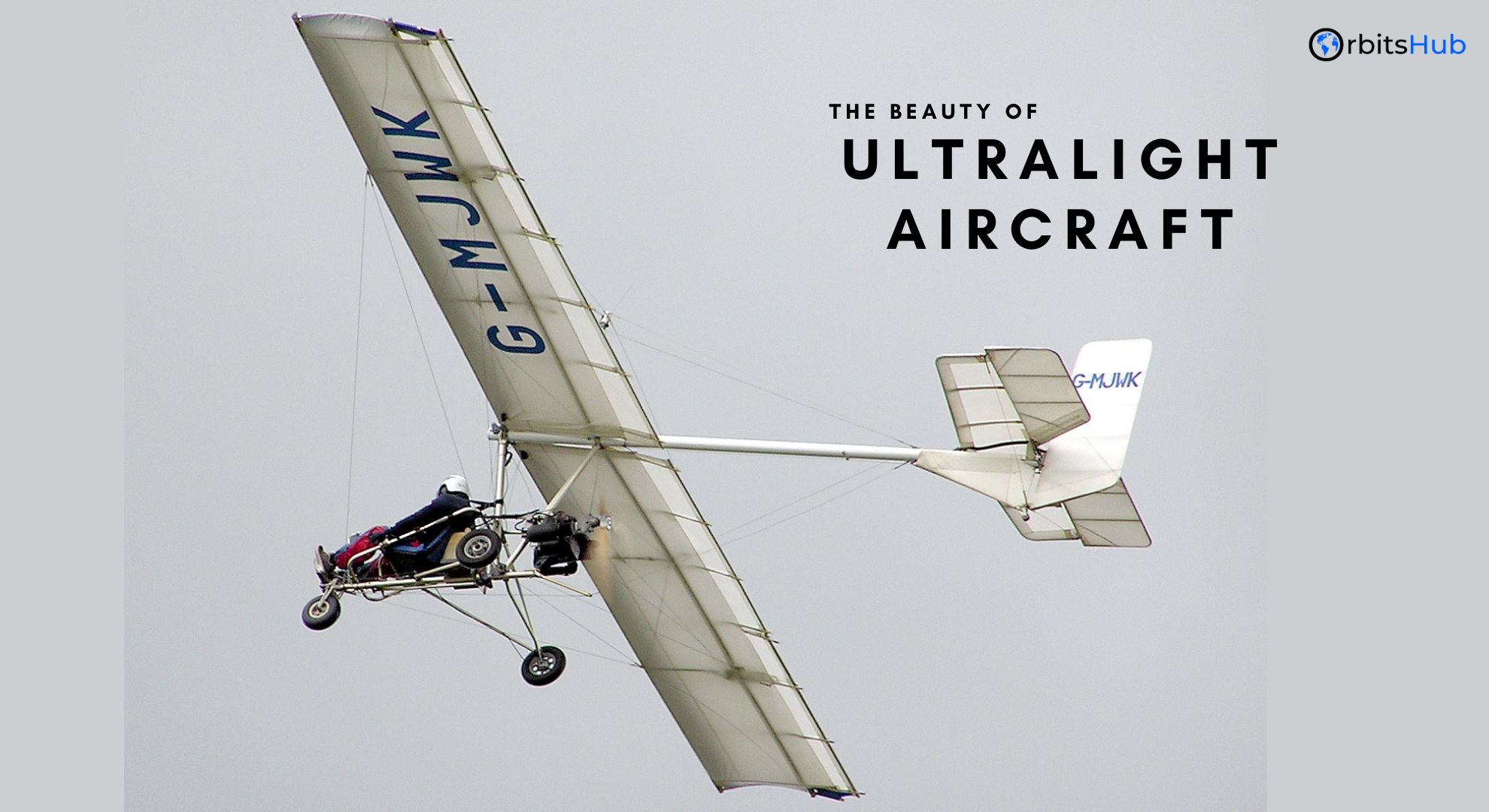
Ultralight aircraft have captured the imagination of aviation enthusiasts worldwide. These lightweight, versatile planes offer an unmatched experience of freedom and adventure. Designed for simplicity and ease of use, ultralight aircraft allow pilots to soar the skies with minimal restrictions and maximum enjoyment.
The History of Ultralight Aircraft
Early Beginnings
Aviation pioneers in the early 20th century experimented with lightweight and basic aircraft designs, leading to ultralight aircraft. These early models laid the foundation for what would eventually become the ultralight category. The first ultralight aircraft emerged in the 1970s, driven by materials and technological advancements.
Evolution Over the Decades
Since their inception, ultralight aircraft have undergone significant evolution. The 1980s and 1990s saw a surge in popularity as design, safety, and performance improvements made these aircraft more accessible to recreational pilots. Today, ultralight aircraft are a well-established category within general aviation, with numerous models and manufacturers catering to diverse preferences and needs.
Advantages of Ultralight Aircraft
Affordability
One of the most appealing aspects of ultralight aircraft is their affordability. Ultralights are significantly cheaper to purchase, operate, and maintain than traditional aircraft. Aviation’s affordability opens the industry to more individuals who can enjoy the joy of flight.
Simplicity and Ease of Use
Ultralight aircraft are designed for simplicity. They typically feature straightforward controls and require less training than larger, more complex aircraft. This simplicity makes ultralight flying an attractive option for beginners and those seeking a hassle-free flying experience.
Flexibility and Versatility
Ultralight aircraft are incredibly versatile. They can take off and land on shorter runways, making them suitable for various environments, including grass fields, remote areas, and even water (in the case of float-equipped models). This flexibility opens up possibilities for pilots, from leisurely flights over scenic landscapes to practical applications like aerial photography and surveillance.
Environmental Impact
Ultralight aircraft are known for fuel efficiency and lower environmental impact than larger planes. Many models use smaller engines and consume less fuel, reducing emissions and a smaller carbon footprint. For environmentally conscious aviators, ultralights offer a greener way to enjoy the skies.
Popular Models of Ultralight Aircraft
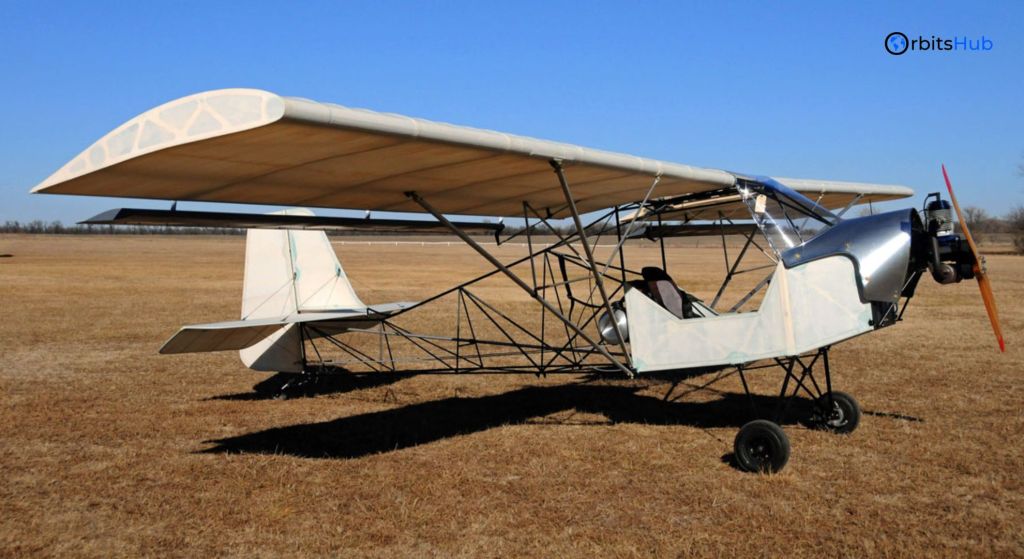
Quicksilver MX Sport
Renowned for its dependability and user-friendliness, the Quicksilver MX Sport is a timeless ultralight plane. Its open-cockpit design and robust construction provide an exhilarating flying experience. Due to its forgiving flight characteristics and straightforward controls, it’s an excellent choice for beginners.
Aerolite 103
The Aerolite 103 is another popular ultralight model. This single-seat aircraft complies with the Federal Aviation Administration’s Part 103 regulations, so it doesn’t require a pilot’s license. Ultralight fans love it for its lightweight construction, ease of assembly, and outstanding performance.
CGS Hawk
The CGS Hawk is a versatile, ultralight aircraft in various configurations, including open and enclosed cockpit versions. Known for its durability and stability, it suits multiple activities, from recreational flights to light sport flying. Its rugged design and dependable performance have made it a long-standing favourite in the ultralight community.
Hummel Ultracruiser
The Hummel Ultracruiser is a distinctive ultralight aircraft designed for pilots who enjoy building their planes. This kit-built aircraft offers a rewarding construction experience and impressive performance. With its sleek design and efficient powerplant, the Hummel Ultracruiser provides a unique and personalized flying experience.
Safety Considerations for Ultralight Flying
Training and Certification
While ultralight aircraft are designed for simplicity, proper training is essential for safe operation. Prospective pilots should seek instruction from certified flight instructors to learn the basics of ultralight flying. Although a pilot’s license is not required for some ultralight aircraft, obtaining proper training ensures that pilots are well-prepared for safe and enjoyable flights.
Pre-Flight Inspections
Conducting thorough pre-flight inspections is crucial for ensuring the safety of ultralight aircraft. Pilots should check the aircraft’s structural integrity, control surfaces, engine, and fuel system before each flight. Identifying and addressing potential issues before takeoff can prevent accidents and enhance safety.
Weather Awareness
Weather conditions play a significant role in ultralight flying. The ability to make well-informed decisions regarding flight safety depends on pilots having up-to-date information about the weather. Due to their lightweight design, ultralight aircraft are more susceptible to turbulence and adverse weather. As such, avoiding flights in unfavourable weather conditions is essential for safety.
Emergency Procedures
Pilots should be familiar with emergency procedures specific to ultralight aircraft. This includes handling engine failures, control system malfunctions, and other in-flight emergencies. Regular practice and drills can help pilots remain calm and composed during unexpected situations, ensuring higher safety.
The Joy of Ultralight Flying
Experiencing Freedom
Ultralight flying offers a unique sense of freedom that is hard to replicate with other forms of aviation. The open cockpit and unobstructed views create an immersive experience, allowing pilots to connect with the environment and enjoy the thrill of flight. The ability to explore new areas and enjoy breathtaking landscapes from above adds to the allure of ultralight aviation.
Community and Camaraderie
The ultralight aviation community is known for its camaraderie and support. Pilots often share their experiences, knowledge, and tips, fostering a sense of belonging among enthusiasts. Joining local ultralight clubs and participating in fly-ins and events can enhance the flying experience and provide opportunities for learning and growth.
Personal Growth and Skill Development
Flying ultralight aircraft requires skill, precision, and continuous learning. Pilots develop a deep understanding of aerodynamics, navigation, and aircraft maintenance. Mastering ultralight flying contributes to personal growth and self-confidence, making it a rewarding and fulfilling pursuit.
Legal and Regulatory Aspects
FAA Regulations
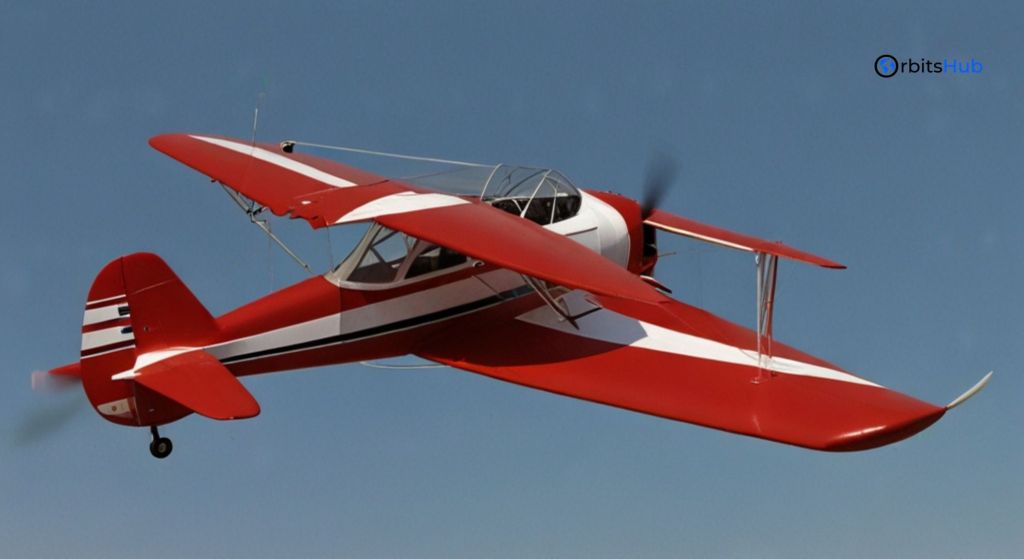
Part 103 of the Federal Aviation Regulations governs the regulation of ultralight aircraft in the US by the Federal Aviation Administration (FAA). These regulations outline specific requirements for ultralight aircraft, including weight limits, speed restrictions, and operational guidelines. Compliance with FAA regulations ensures safe and legal ultralight flying.
International Regulations
Different countries have varying regulations for ultralight aircraft. Pilots interested in flying ultralights internationally should familiarize themselves with the rules of the destination country’s laws. To ensure you’re following the rules of the air, several nations may ask for further inspections or certifications.
Maintenance and Upkeep: Ultralight Aircraft
Routine Inspections
Routine inspections and maintenance are essential for ultralight aircraft to fly safely; pilots should routinely check structural components, including the engine, control systems, and structural elements, according to the manufacturer’s maintenance schedule. Tail maintenance records can help track the aircraft’s condition and promptly address potential issues.
Repair and Modifications
To make sure the fixes or changes you need are done correctly, you must use approved parts and follow the right steps. Pilots should consult with experienced mechanics or the aircraft manufacturer for guidance on repairs and modifications. Adhering to recommended practices ensures that the aircraft remains safe and airworthy.
Storage and Care
Proper storage and care of ultralight aircraft can extend their lifespan and maintain their performance. Aircraft should be stored in a dry, sheltered environment to protect them from the elements. Regularly cleaning and lubricating moving parts prevents corrosion and wear, guaranteeing that the aircraft is always prepared for safe and enjoyable flights.
Ultralight aircraft offer a unique and exhilarating way to experience the skies. Their adaptability, low price, and ease of use make them an excellent choice for pilots and aviators of all skill levels. If you’re interested in the thrill of flight, the joy of finding new places, or the camaraderie of the ultralight community, light aircraft offer a world of opportunities for adventure and personal growth.
Explore the OrbitsHub Website today to learn more about ultralight aircraft and other aviation topics. Happy flying!