In an unprecedented feat, the Indian Navy emerged victorious in a face-off with Somali pirates Indian Navy, rescuing the hijacked cargo vessel Ruen and its crew members. This article delves into the details of this operation, shedding light on the strategies employed and the significance of this accomplishment.
The Hijacking of the Ruen
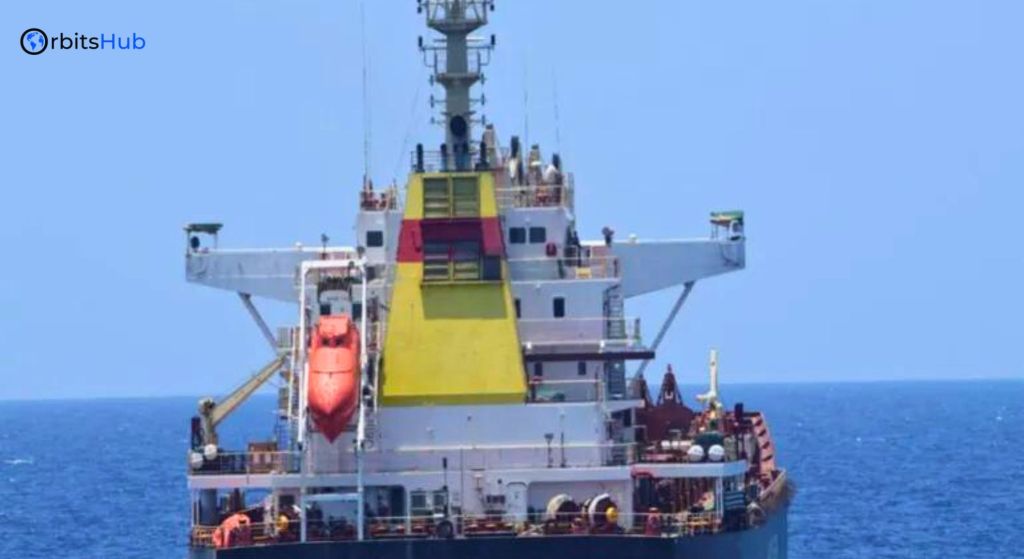
An international crisis was trigger when the bulk cargo vessel Ruen, flying the Maltese flag, was seized by Somali pirates. The hijacking, which occurred three months ago, marked a resurgence of piracy off the Somali coast, a menace that had been relatively dormant since 2017.
The Indian Navy’s Response
News of the hijacking triggered a swift response from the Indian Navy, led by the warship INS Kolkata. In a joint operation that lasted 40 hours, the Navy, with the support of INS Subhadra, High Altitude Long Endurance (HALE RPA) drones, P8I maritime patrol aircraft, and MARCOs PRAHARs, sailed nearly 2600 km from the Indian coastline to the pirate ship’s location.
A Calibrated Operation
The rescue operation was far from a straightforward confrontation. The Indian Navy employed a series of calculated manoeuvres to force the pirate ship to halt. These actions include leveraging the capabilities of the Indian warship INS Subhadra, HALE RPA drones, P8I maritime patrol aircraft, and MARCOs PRAHARs, which were airdrop by C-17 aircraft.
Ensuring Safety: Somali Pirates
Upon the successful capture of the pirate ship, the Navy’s next priority was to ensure the safety of the crew members aboard the Ruen. All 35 pirates were coerce into surrendering, and the crew 17 was safely evacuated. The vessel was then thoroughly inspected for illegal arms, ammunition, and contraband.
The Aftermath
In the wake of the operation, the Indian Navy emerged as a formidable force in combating piracy. The rescue of the Ruen served as a stark reminder of the Navy’s capabilities and readiness to protect India’s maritime interests. The operation also underscored the importance of international cooperation in dealing with piracy, a global threat that requires a concerted and coordinated response.
The Bigger Picture
The successful operation against the Somali pirates Indian Navy is far more significant than a single piracy incident. It represents a triumph for international maritime security and a blow to piracy syndicates operating off the coast of Somalia. More importantly, it sends a clear message to pirates worldwide: the Indian Navy will not tolerate threats to international shipping lanes and will take decisive action to protect them.
The Role of the Indian Navy
The successful rescue operation showcases the Indian Navy’s prowess and commitment to maintaining peace in international waters. It highlights the Navy’s strategic capabilities, technical expertise, and readiness to respond swiftly and effectively to crises. The operation also underscores the Navy’s role as a key player in ensuring maritime security in the Indian Ocean region.
Implications for Maritime Security
The rescue operation has significant implications for maritime security. It underscores the importance of a robust and proactive naval presence in vulnerable maritime regions to deter pirate attacks. It also highlights the need for international cooperation and intelligence sharing in combating piracy.

The Threat of Somali Pirates
The hijacking of the Ruen by Somali pirates underscores the persistent threat posed by piracy in the waters off the Somali coast. Despite international efforts to curb piracy, the problem persists due to a combination of political instability in Somalia, a lack of effective law enforcement, and the potential profitability of piracy.
Tackling Piracy
Efforts to combat piracy must involve the following:
- Naval patrols.
- Intelligence sharing.
- Legal action against captured pirates.
- Initiatives to address the core causes of piracy.
These include political instability, economic deprivation, and a lack of employment opportunities in coastal communities.
The successful rescue of the Ruen by the Indian Navy is a significant achievement in the fight against piracy. It highlights the crucial role of naval forces in ensuring maritime security. It sends a clear message to Somali pirates: piracy will not be tolerate, and those who engage in it will face the full force of international law enforcement.
The operation also underscores the need for continued vigilance and cooperation in the face of this persistent threat. The fight against piracy is far from over. The Indian Navy’s victory is a beacon of hope. It demonstrates that the Indian Navy can turn the tide against this global menace with determination, skill, and international cooperation.