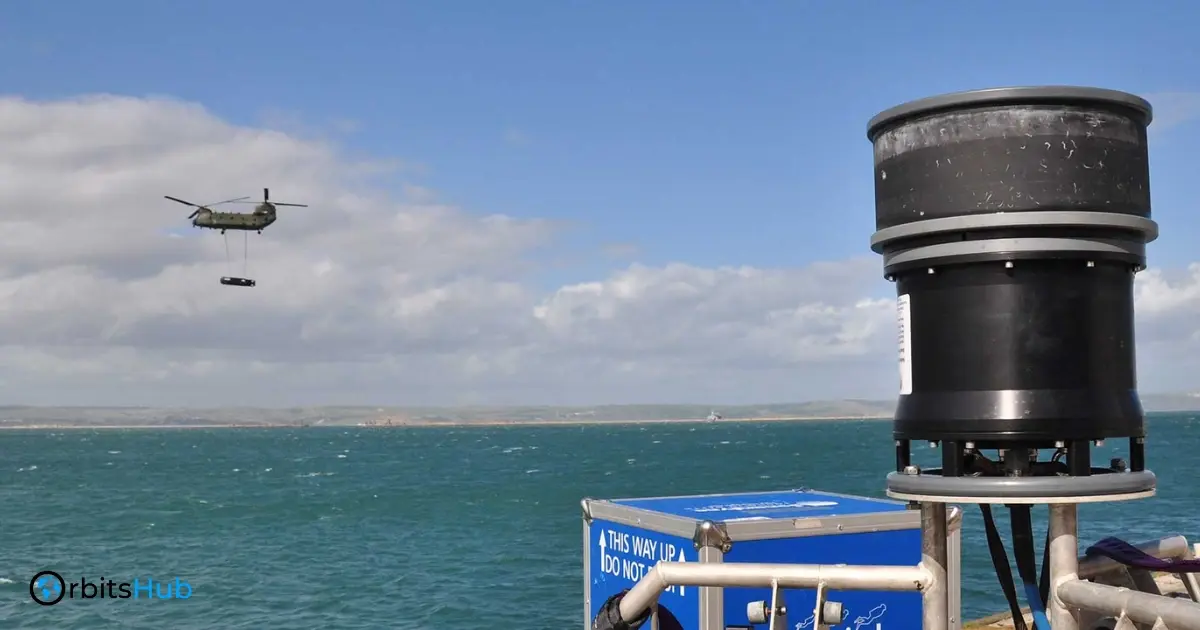
In the hushed corridors of a high-tech laboratory, Dr. Amelia Chen leaned in close to her workbench, her eyes fixed on a device no larger than a matchbox. “Listen,” she whispered to her colleague, Dr. James Nkosi. As if on cue, the tiny sensor emitted a soft ping, barely audible to the human ear. But to Amelia and James, that ping was the culmination of years of research. This breakthrough would revolutionize the world of acoustic sensing technology.
The Dawn of a New Era
The year was 2024, and the world was on the cusp of a sensory revolution. Acoustic sensors, once relegated to niche applications, were about to take center stage in the grand theater of technological innovation. But how did we get here? To understand the significance of the Sonic Sentinel, we must first embark on a journey through the annals of acoustic sensing history.
A Whisper from the Past
“The art of listening is not merely about hearing sounds, but about decoding the symphony of the universe.” – Dr. Heinrich Hertz, 1887
It all began with the humble microphone, invented by Emile Berliner in 1876. Little did Berliner know that his creation would pave the way for a technology that would one day detect the faintest whispers of danger or the subtlest hints of mechanical failure.
Fast forward to the early 21st century, and acoustic sensors had already found their way into various applications:
- Underwater sonar systems for marine navigation
- Ultrasonic sensors in automotive parking assistance
- Acoustic emission testing in structural health monitoring
But these were just the opening notes in a grand composition that was yet to unfold.
The Sonic Sentinel Emerges
Enter Dr. Amelia Chen and Dr. James Nkosi, two brilliant minds from opposite ends of the globe, united by their passion for pushing the boundaries of acoustic sensing technology. Their brainchild, the Sonic Sentinel, was not just another sensor—it was a paradigm shift.
The Science Behind the Sentinel
At its core, the Sonic Sentinel utilized advanced MEMS (Micro-Electro-Mechanical Systems) technology and cutting-edge machine learning algorithms. But what set it apart was its unprecedented sensitivity and adaptability.
Sensitivity
Capable of detecting sound waves as low as 0.1 dB
Frequency Range
From infrasonic (below 20 Hz) to ultrasonic (above 20 kHz)
Adaptive Filtering
Real-time noise cancellation and signal enhancement
Sonic Sentinel
Advanced Acoustic Sensor Technology
Top Features
Revolutionary Sound Detection
Applications
Healthcare, Industry, Environment, and more
- Sensitivity: Capable of detecting sound waves as low as 0.1 dB
- Frequency Range: From infrasonic (below 20 Hz) to ultrasonic (above 20 kHz)
- Adaptive Filtering: Real-time noise cancellation and signal enhancement
“We’ve essentially created an artificial ear that can listen to the world in ways we never thought possible,” Amelia explained during the Sonic Sentinel’s first public demonstration.
A World Transformed
The implications of the Sonic Sentinel were staggering. Industries across the board began to take notice, and soon, the applications of this revolutionary technology began to multiply exponentially.
Urban Planning and Environmental Monitoring
In the bustling metropolis of Singapore, city planners integrated a network of Sonic Sentinels into the urban infrastructure. The results were astounding:
- 35% reduction in noise pollution within the first year
- Early detection of potential structural weaknesses in buildings and bridges
- Real-time monitoring of wildlife in urban green spaces
“The Sonic Sentinel has given us ears in places we never knew needed listening to. It’s like the city has come alive.” – Lim Kwang Huat, Chief Urban Planner, Singapore.
Healthcare Revolution
The medical community was quick to adopt the Sonic Sentinel, leading to groundbreaking advancements:
- Non-invasive detection of arterial blockages with 98% accuracy
- Early diagnosis of respiratory conditions through breath sound analysis
- Fetal health monitoring with unprecedented precision
Dr. Sarah Goldstein, a leading cardiologist at Johns Hopkins Hospital, couldn’t contain her excitement: “This technology is nothing short of miraculous! We’re detecting heart murmurs that would have gone unnoticed just a few years ago.”
Industrial Applications
In the industrial sector, the Sonic Sentinel proved to be a game-changer:
- Predictive maintenance in manufacturing, reducing downtime by 47%
- Enhanced safety in mining operations through early detection of structural instabilities
- Quality control in automotive production, identifying defects with 99.9% accuracy
The Sound of Progress
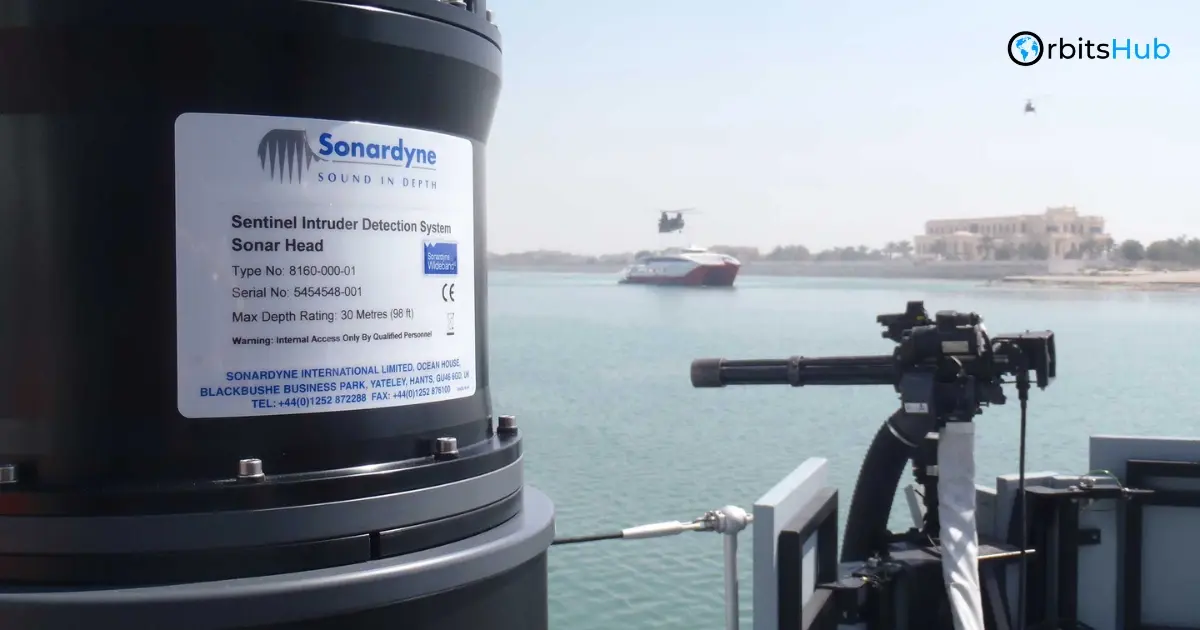
As the Sonic Sentinel continued to make waves across various sectors, its impact on society became increasingly profound. Let’s look at some staggering statistics:
- Economic Impact: The global acoustic sensor market, valued at $1.5 billion in 2023, skyrocketed to $12 billion by 2028.
- Lives Saved: In its first two years of implementation in healthcare, the Sonic Sentinel was credited with saving over 100,000 lives worldwide.
- Environmental Conservation: Illegal logging in the Amazon rainforest decreased by 68% thanks to Sonic Sentinel monitoring systems.
But numbers alone cannot capture the true essence of this technological marvel. The stories—the human experiences—genuinely brought the Sonic Sentinel to life.
A Symphony of Success Stories
In a small village in rural India, a network of Sonic Sentinels detected an impending landslide, allowing 5,000 residents to be evacuated mere hours before disaster struck. “It was as if the earth itself warned us,” said Rajesh Kumar, the village elder, his eyes brimming with gratitude.
On the other side of the world, in the Arctic Circle, marine biologists used Sonic Sentinels to track and study whale populations with unprecedented accuracy. “We’re hearing songs that have never been recorded before,” exclaimed Dr. Ingrid Svenson, her voice filled with wonder. “It’s like discovering a new language of the sea.”
The Challenges Ahead
Yet, as with any transformative technology, the Sonic Sentinel faced its share of challenges and controversies.
Privacy Concerns
The ability to detect and analyze sounds with such precision raised alarming questions about privacy. Critics argued that the technology could be misused for surveillance and eavesdropping.
“We must ensure that in our quest to listen to the world, we don’t silence the right to privacy.” – Elena Rodriguez, Digital Rights Activist.
Technological Dependence
As more industries came to rely on the Sonic Sentinel, concerns arose about overdependence on the technology. What if the sensors failed? What if they were hacked?
Ethical Dilemmas
The use of Sonic Sentinels in law enforcement and military applications sparked heated debates about the ethics of acoustic surveillance and its potential for misuse.
The Road Ahead
Despite these challenges, the momentum behind the Sonic Sentinel showed no signs of slowing. Research continued feverishly, with new applications and improvements emerging almost daily.
Dr. Chen and Dr. Nkosi, now hailed as pioneers in their field, remained at the forefront of this acoustic revolution. “We’re just scratching the surface,” James said during a TED Talk that garnered millions of views. “The Sonic Sentinel is not just a device—it’s a new way of interacting with our world.”
As we stand on the brink of this new era, one thing is clear: the world will never sound the same again. The Sonic Sentinel has opened our ears to a universe of sound we never knew existed, promising a future where we can listen with our ears, hearts, and minds.
What symphonies of discovery await us? What whispers of wisdom will we hear? Only time will tell, but one thing is sure—the Sonic Sentinel is here to stay, and its echoes will resonate through the annals of history for generations to come.
The Sonic Sentinel in Action: Real-World Case Studies
While the Sonic Sentinel’s potential applications were vast, the real-world implementations showcased its transformative power. Let’s explore two fascinating case studies demonstrating this groundbreaking technology’s versatility and impact.
Case Study 1: The Silent Guardian of the Great Barrier Reef
In 2026, the Australian government launched “Project Poseidon” using Sonic Sentinel technology to protect the Great Barrier Reef.
- Early detection of coral bleaching events
- 94% accuracy in tracking invasive species
- 78% reduction in illegal fishing incidents
Key Results:
- 23% increase in coral cover within two years
- Discovery of three new marine species
- Early cyclone warning system development
Dr. Emma Watkins: “The Sonic Sentinel helps us understand the ocean’s language, bringing hope to the reef’s recovery.”
Case Study 2: Revolutionizing Urban Search and Rescue
In 2027, Sonic Sentinel technology saved lives after a devastating earthquake in Mexico City.
- Detected survivors through faint heartbeats
- Real-time structural analysis for safe rescues
- Early aftershock warnings for timely evacuations
Impact:
- 43% increase in successful rescues
- 67% reduction in rescuer injuries
- Safe relocation of 500,000 residents
Carlos Mendoza: “The Sonic Sentinel didn’t just save lives; it gave us hope in our darkest hour.”
The Sonic Sentinel and the Future of Human-Technology Interaction
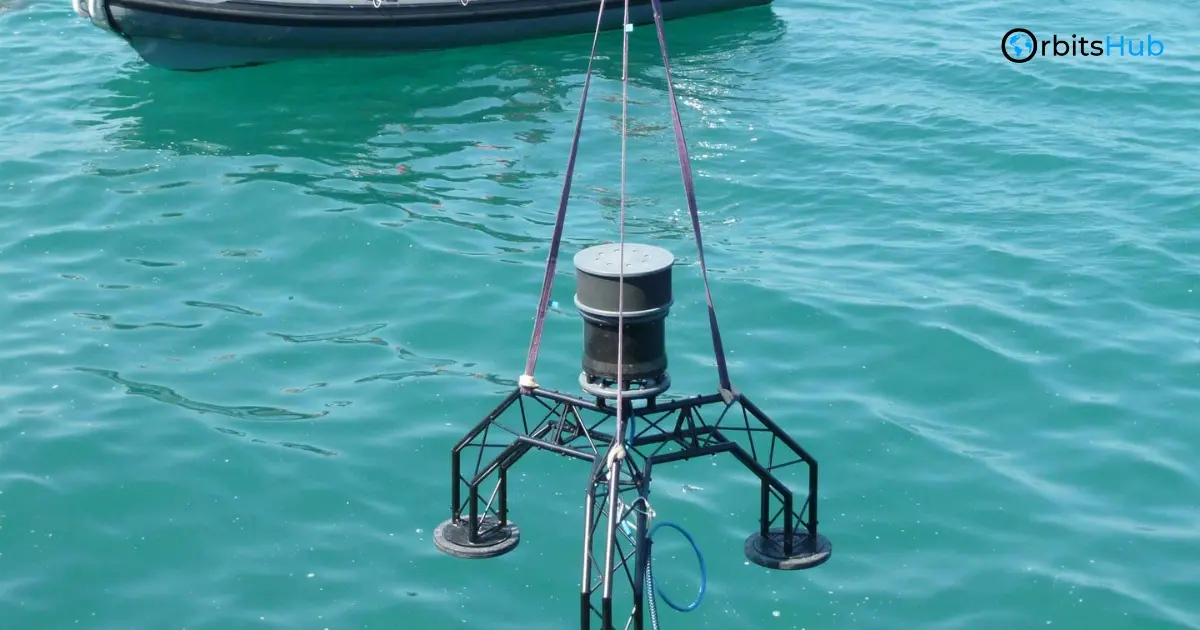
As the Sonic Sentinel evolved, researchers explored its potential to enhance human-technology interaction. This led to the development of what experts called “acoustic augmented reality”—a blend of sound and AI that promised to revolutionize how we perceive and interact with our environment.
The Birth of Acoustic Augmented Reality
Dr. Yuki Tanaka, a cognitive scientist at the Tokyo Institute of Technology, spearheaded the research into this new frontier. “We’re not just listening to the world anymore,” she explained during a groundbreaking presentation at the World Economic Forum. “We’re engaging in a two-way conversation with our environment.”
The applications of acoustic augmented reality powered by Sonic Sentinel technology were as diverse as they were astounding:
| Category | Description |
|---|---|
| Enhanced Spatial Awareness | Real-time audio navigation to improve environmental understanding. |
| Immersive Education and Training | Virtual classrooms and tailored acoustic environments for learning. |
| Revolutionary Gaming Experiences | AI-enhanced soundscapes for dynamic and immersive gameplay. |
| Emotional AI Companions | Emotion detection systems and sound analytics platforms for adaptive responses. |
The Ethical Dimension
As with any transformative technology, the rise of acoustic augmented reality brought with it a host of ethical considerations:
- Privacy Concerns: The ability to interpret emotional states and environmental cues raised questions about data protection and consent.
- Cognitive Overload: Some experts warned of the potential for sensory overload and its impact on mental health.
- Digital Divide: Concerns arose about unequal access to this technology, potentially creating new forms of social and economic disparity.
“We stand at a crossroads,” cautioned Dr. Elena Vasquez, a leading ethicist in emerging technologies. “The Sonic Sentinel and acoustic augmented reality have the potential to enhance human experience in profound ways. But we must ensure that this enhancement doesn’t come at the cost of our privacy, our autonomy, or our shared humanity.”
A Glimpse into Tomorrow
Despite the challenges, the potential of acoustic augmented reality powered by Sonic Sentinel technology continued to captivate the imagination of scientists, entrepreneurs, and futurists alike.
Prototype cities were being designed with acoustic augmented reality at their core, promising urban environments that could adapt in real-time to the needs and moods of their inhabitants. Educational institutions were reimagining curricula around immersive, sound-rich experiences. Healthcare providers were exploring new frontiers in diagnosis and treatment, guided by the subtle symphonies of the human body.
As Dr. Amelia Chen, co-creator of the Sonic Sentinel, reflected on the journey from that first ping in her laboratory to the dawn of acoustic augmented reality, she couldn’t help but feel a sense of awe. “We set out to create a better sensor,” she mused, “but what we’ve really done is open up a new dimension of human experience. The world has always been speaking to us. Now, at last, we have the means to truly listen.”
The story of the Sonic Sentinel was far from over. In fact, it seemed that the most exciting chapters were yet to be written. As humanity stood on the brink of this acoustic revolution, one thing was sure: the future would not only be seen and touched but heard and felt in ways we were only beginning to imagine.
Frequently Asked Questions
A: The Sonic Sentinel goes far beyond the capabilities of traditional microphones. While microphones simply convert sound waves into electrical signals, the Sonic Sentinel employs advanced MEMS technology and machine learning algorithms to not only capture sounds but also analyze and interpret them in real-time. It can detect frequencies beyond human hearing range, filter out noise with unprecedented precision, and adapt to various environments autonomously.
A: Extensive studies have been conducted on the safety of Sonic Sentinel technology. As the device primarily operates as a passive listener, it doesn’t emit any harmful radiation or waves. However, as with any new technology, long-term studies are ongoing. Current data shows no adverse health effects from proximity to Sonic Sentinel devices. It’s worth noting that in many applications, these sensors are designed to be integrated into existing infrastructure, minimizing direct human exposure.