

Have you ever wondered what living during the Cold War was like when the world was on the brink of conflict, and every technological advancement could tip the scales of power? The Soviet Union and the United States, two superpowers, were in a tense rivalry where technology became the weapon of choice, especially in the skies. But how did the Soviet Union, determined to outdo the West, develop fighter jets that would become legendary? This takes you through the fascinating history of Soviet-era fighter jets, highlighting their evolution, impact, and the intriguing stories behind these powerful machines.
The Birth of Soviet Fighter Jets: Early Beginnings
What sparked the Soviet Union’s interest in dominating the skies after World War II? Emerging from the war with a formidable military reputation, the Soviet Union quickly recognized the importance of air superiority. The first chapter of Soviet fighter jets was written with the development of the MiG-15. But why was this jet, not just another machine but a symbol of Soviet engineering prowess? Simple yet effective, the MiG-15 became a terror in the Korean War, earning both respect and fear from its adversaries.
The MiG-15: A Star is Born
What makes the MiG-15 stand out in aviation history? The MiG-15’s success was no accident. The Soviet Union, having learned from its wartime experiences, was keen on adopting and improving upon technologies from other countries. The MiG-15 blended Soviet ingenuity and lessons learned from captured German aircraft designs. But how did this jet’s revolutionary design, featuring swept wings, allow it to reach unprecedented speeds? It wasn’t just a machine but a statement of Soviet intent on the global stage.
Evolution and Advancements: The MiG-21 Takes Flight
The need for more advanced fighter jets became critical as the Cold War intensified. But what made the MiG-21 a true icon of Soviet aviation? The MiG-21 wasn’t just another jet; it was a masterpiece that combined speed, agility, and firepower. This aircraft became the backbone of many air forces around the world. But did you know what made the MiG-21 truly special was its ability to evolve? With upgrades in avionics, weapons systems, and engines, how did the MiG-21 remain relevant for decades?
The Role of Sukhoi: A New Chapter in Soviet Aviation
While the MiG series was gaining fame, what happened with another rising star in Soviet aviation—Sukhoi? The Sukhoi Su-7 and Su-17 were the first in a line of fighter-bombers that would prove crucial in various conflicts. But what made these aircraft particularly important? Designed to deliver heavy payloads while retaining the agility of a fighter jet, the Su-7 became known for its ruggedness and ability to operate in harsh conditions, making it a favourite among Soviet pilots.
The MiG-23 and MiG-25: Speed and Power Unleashed
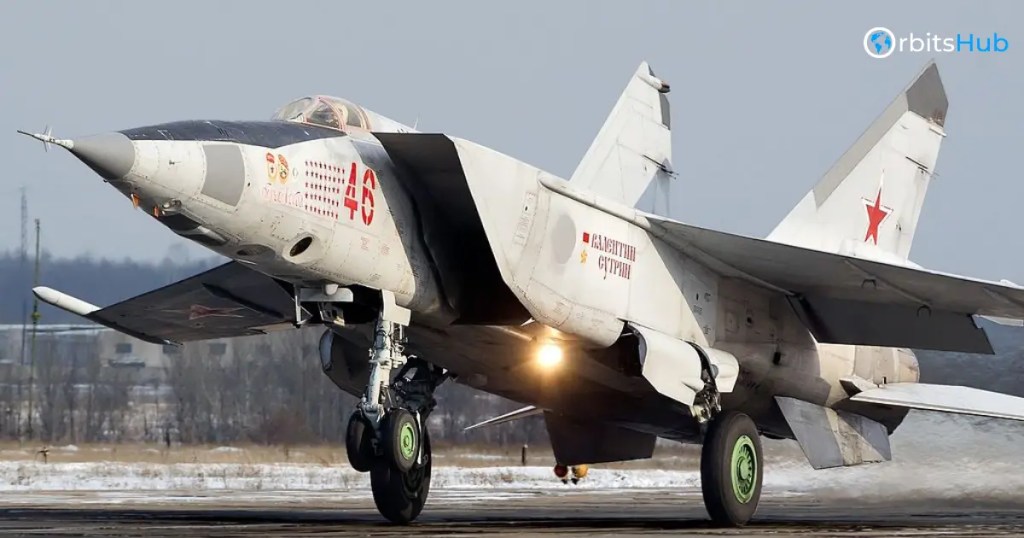
What were the Soviet Union’s responses to the growing challenges in the air? Enter the MiG-23 and MiG-25, two jets that pushed the boundaries of what was possible in the air. The MiG-23, with its variable-sweep wing design, allowed for adaptability in dogfights. But did you know that the MiG-25 was all about speed, capable of reaching Mach 3? Its introduction sent shockwaves through the West, but why did it prompt the development of new aircraft to counter its power?
Sukhoi Su-27: The Soviet Union’s Answer to Western Jets

As Western nations developed more advanced fighter jets, how did the Soviet Union respond? The answer was the Sukhoi Su-27, an aircraft that would become one of history’s most respected fighter jets. But what made the Su-27 a match and superior in many ways to its Western counterparts? With advanced radar systems, powerful engines, and exceptional manoeuvrability, the Su-27 wasn’t just a fighter jet but a symbol of Soviet determination to maintain air superiority.
The Cold War’s Influence on Soviet Aircraft Design
- How did the Cold War shape Soviet aircraft design? The technological race between the USSR and the West led to groundbreaking innovations.
- Why was strategic necessity a driving force? Soviet fighter jets were designed to counter NATO’s growing air capabilities.
- What role did espionage play? Both sides engaged in espionage to gain an edge, directly influencing Soviet fighter jet development.
The Impact of Soviet Fighter Jets on Modern Aviation
Soviet fighter jets have left a lasting legacy in the aviation world, influencing modern aircraft designs and training techniques:
- Design Legacy: Many modern fighter jets still use design elements pioneered by Soviet aircraft, like the swept-wing design from the MiG series.
- Training Techniques: The rigorous training methods developed for Soviet pilots have influenced global military training standards.
- Global Influence: Soviet-era jets, exported worldwide, set benchmarks for performance and reliability that continue to guide aviation development.
- Technological Advancements: Innovations such as advanced radar systems and high-speed capabilities from jets like the MiG-25 have shaped the evolution of modern fighter jets.
The Legacy of Soviet Fighter Jets: A Lasting Impact

As we conclude our journey through the history of Soviet-era fighter jets, it’s clear that these machines were more than just tools of war. But what legacy do they leave behind? Even today, many of these jets remain in service, a testament to their durability and the ingenuity of their designers. The legacy of Soviet fighter jets lives on, not just in the history books but in the skies above us.
The story of Soviet-era fighter jets is a tale of innovation, determination, and the relentless pursuit of excellence. These aircraft played a crucial role in shaping the Cold War and continue influencing modern aviation. As we look back on this chapter of history, we are reminded of the power of technology and the human spirit that drives it forward.
FAQs About Key Soviet Fighter Jet Advancements and Their Global Impact
Soviet fighter jets saw significant advancements such as swept-wing designs, variable-sweep wings, and high-speed capabilities, like those found in the MiG-25.
Soviet jets like the MiG-21 and Su-27 set benchmarks for design and performance, influencing modern military aviation worldwide.
The MiG-21 was known for its speed, agility, and adaptability, becoming the backbone of many air forces around the world.
The Su-27 was developed to counter advanced Western jets and became one of the most respected fighter aircraft in history due to its superior maneuverability and technology.
Many Soviet-era jets remain in service, showcasing their durability and the lasting impact of Soviet military engineering on modern aviation.



Comment(01)