Imagine a colossal warship cloaked in the ocean’s inky depths, unleashing a squadron of fighter jets. This isn’t a scene from a sci-fi movie; it’s the intriguing concept of a submarine aircraft carrier (SSAC). While it may sound fantastical, underwater aviation has captivated military minds for decades. Let’s go further and investigate the intriguing realm of SSACs.
The Allure of Underwater Aviation: Submarine
Traditional aircraft carriers are behemoths on the surface, vulnerable to detection and attack. SSACs, on the other hand, offer a tactical advantage: stealth. They become virtually undetectable beneath the waves, posing a surprise element in naval warfare. This would allow for the launch of airstrikes from unexpected locations, catching enemies off guard.
Here are some potential benefits of SSACs:
- Increased Strategic Surprise: Launching aircraft from underwater would significantly enhance the element of surprise in military operations.
- Enhanced Defense: Submerged SSACs would be less susceptible to missile attacks and other surface threats.
- Expanded Operational Range: SSACs could operate in geographically challenging areas without the need for surface runways.
- Potential for Drone Integration: The SSAC concept could be adapted to deploy and recover uncrewed aerial vehicles (UAVs) for reconnaissance and combat missions.
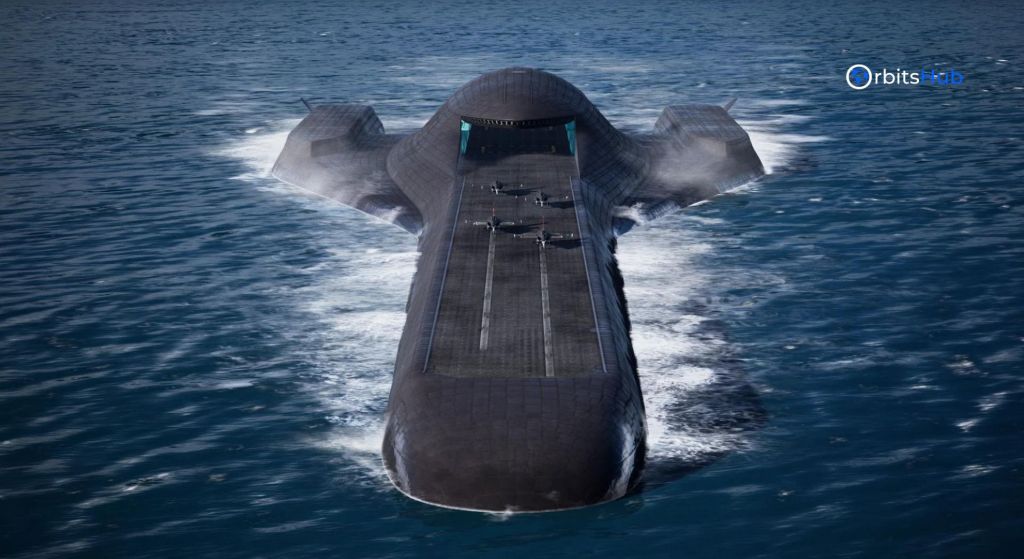
Challenges of Submerged Aircraft Takeoff and Landing
While the concept is intriguing, significant challenges stand in realizing a functional SSAC. Here are some of the hurdles:
- Technical Complexities: Launching and recovering aircraft underwater presents immense technical difficulties. Designing a pressurized and watertight environment for aircraft takeoff and landing is a significant engineering feat.
- Space Constraints: Submarines are inherently smaller than aircraft carriers. Accommodating a large enough hangar and runway for traditional, piloted aircraft onboard an SSAC would be a significant challenge.
- Safety Concerns: Launching and recovering aircraft underwater introduces a whole new level of risk for pilots and crew. Ejecting from a submerged aircraft and ensuring pilot safety during emergencies would require innovative solutions.
The Future of Submarine Aircraft Carriers
The SSAC remains a concept in its early stages. Technological advancements, particularly in material science and underwater operations, could pave the way for a more feasible design in the future. Here are some possibilities for the evolution of the SSAC concept:
- Focus on Unmanned Vehicles: SSACs focus on launching and recovering UAVs instead of traditional aircraft. This would address space constraints and pilot safety concerns.
- Hybrid Designs: A more realistic approach could involve combining submersible platforms and underwater launch systems for expendable drones.
- International Collaboration: The immense cost and complexity of developing SSACs could necessitate collaboration between nations with advanced maritime and aviation technology.
Historical Precedents for Submarine Aircraft Carriers
The concept of a submarine aircraft carrier isn’t entirely new. During World War II, several countries experimented with SSACs with varying degrees of success. Here are some notable examples:
- Japan’s I-400 Class: These colossal submarines, launched in the war’s final years, were the largest submarines built at the time. Each I-400 class vessel could carry three Aichi M6A Seiran seaplanes. These reconnaissance aircraft could be launched from a hangar bay and refuelled at sea for extended missions. However, the war ended before the I-400s could see significant action.
- French Submarine Surcouf: Launched in 1934, the Surcouf was a unique submersible cruiser equipped with a catapult for launching a single (suijou sentouki—floatplane fighter). It saw limited service before being sunk by friendly fire in 1942.
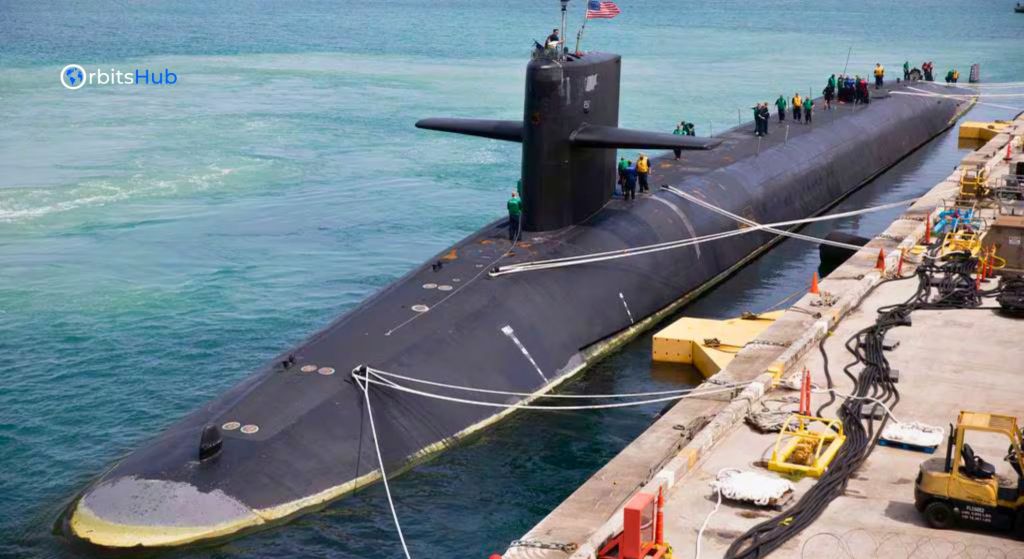
These historical attempts, while ultimately unsuccessful, demonstrate the longstanding fascination with underwater aviation and its potential benefits.
The Environmental Impact of Submarine Aircraft Carriers
The environmental impact of any new naval technology is a crucial consideration. Here’s a brief look at some potential ecological concerns surrounding SSACs:
- Noise Pollution: Launching and recovering aircraft underwater could generate significant noise pollution, potentially harming marine life.
- Battery Technology: If SSACs rely on electric propulsion for silent operation, the environmental impact of battery production and disposal needs careful evaluation.
- Potential for Accidents: SSACs could lead to oil spills or releasing harmful materials into the ocean.
A Vision for the Future of Naval Warfare
The submarine aircraft carrier is a visionary concept that pushes the boundaries of naval warfare. While technical hurdles remain, the potential benefits of underwater aviation are undeniable. As technology progresses, the SSAC might evolve from a blueprint into a reality, redefining the future of naval combat.
Are you considering a career in the maritime or aviation industry? orbitshub.com, a leading marine and aviation consultancy services company, can help you navigate the exciting opportunities in these dynamic fields. Contact OrbitsHub today to explore your options and chart your course towards a fulfilling career at sea or in the skies!