Humanity has been fascinated by the dream of breaking the sound barrier for decades. Fantastic engineering and invention have resulted in supersonic aircraft flying faster than sound. These incredible machines have revolutionized aviation, pushing the boundaries of speed and performance.
History of Supersonic Aircraft
Early Dreams and Challenges
The concept of supersonic flight emerged in the early 20th century. Visionaries like Chuck Yeager, who first broke the sound barrier in 1947, paved the way for future developments. Early attempts at supersonic flight faced significant challenges, including extreme aerodynamic forces and engine limitations.
The First Supersonic Jet: Bell X-1
The Bell X-1, piloted by Chuck Yeager, was the first aircraft to achieve supersonic speed. On October 14, 1947, Yeager flew the X-1 at Mach 1.06, marking a historic milestone in aviation. This breakthrough demonstrated that controlled supersonic flight was possible and laid the groundwork for future advancements.
Evolution of Supersonic Aircraft
Following the success of the Bell X-1, various supersonic aircraft were developed for military and civilian use. The 1960s and 1970s saw the introduction of notable supersonic jets like the Concorde and the Soviet-built Tupolev Tu-144, which brought supersonic travel to the commercial aviation industry.
Technology Behind Supersonic Aircraft
Aerodynamics and Design
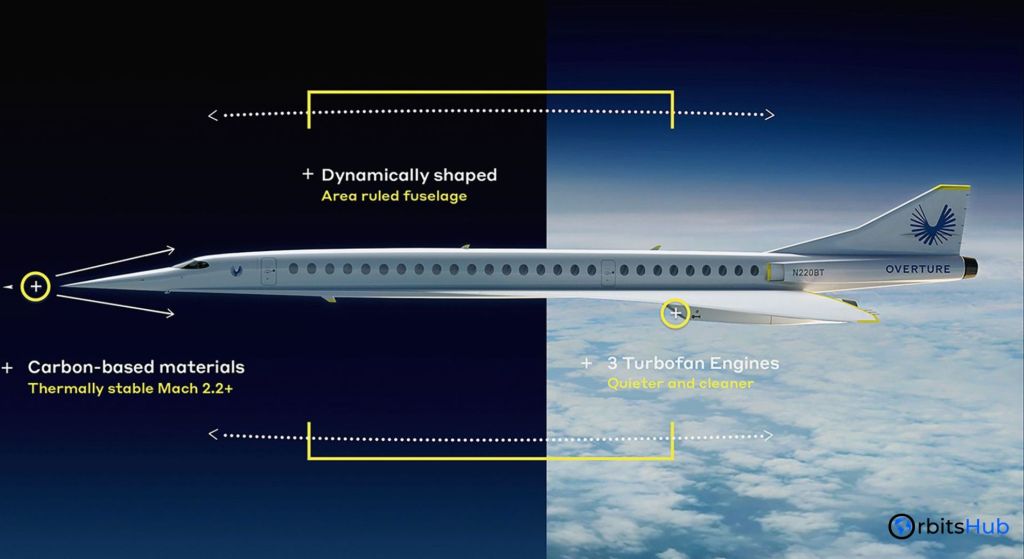
Supersonic aircraft are designed to minimize drag and withstand high aerodynamic forces. The shape of the plane, including its streamlined fuselage and swept-back wings, plays a crucial role in achieving and maintaining supersonic speeds. These design elements reduce air resistance and ensure stability during high-speed flight.
Advanced Materials
Engineers needed to find new materials to endure the tremendous pressures and temperatures experienced during flight to build a supersonic aeroplane. Titanium and composite materials are commonly used due to their strength and heat resistance. These materials enable the aircraft to maintain structural integrity at supersonic speeds.
Powerful Engines
Supersonic aircraft have powerful engines that provide the necessary thrust to break the sound barrier. Turbojet and after-burning turbofan engines are commonly used, offering high performance and efficiency. Afterburners inject fuel into the engine, producing extra thrust and allowing the aircraft to reach supersonic speeds.
The Impact of Supersonic Aircraft
Revolutionizing Air Travel
Supersonic aircraft have the potential to revolutionize air travel by significantly reducing flight times. The Concorde, for example, could travel from New York to London in just over three hours, compared to the usual seven to eight hours on subsonic aircraft. This speed advantage has the potential to transform international business and tourism.
Military Applications
Supersonic aircraft play a critical role in modern military operations. Fighter jets like the F-22 Raptor and the F-35 Lightning II utilize supersonic speeds for rapid response and superior manoeuvrability. These capabilities enhance national defence by providing quick and effective air support in combat situations.
Environmental and Economic Considerations
While supersonic travel offers numerous benefits, it also presents challenges. The environmental impact, including noise pollution from sonic booms and increased fuel consumption, has raised concerns. Additionally, the high operational costs associated with supersonic aircraft have limited their widespread adoption in commercial aviation.
The Future of Supersonic Aircraft
Emerging Technologies
Advancements in technology are driving the future of supersonic flight. Companies like Boom Supersonic and Aerion Supersonic are developing next-generation supersonic jets to address environmental and economic challenges. These new aircraft promise quieter sonic booms, improved fuel efficiency, and reduced emissions.
Sustainable Supersonic Travel
Sustainability is a crucial focus for the future of supersonic travel. Since supersonic aircraft significantly negatively affect the environment, scientists are investigating biofuels and synthetic fuels as alternatives. Additionally, aerodynamics and engine technology advancements aim to make supersonic travel more eco-friendly and economically viable.
Potential Markets
Potential commercial and business aviation markets drive the resurgence of interest in supersonic flight. Business travellers, in particular, stand to benefit from the time savings offered by supersonic jets. The ability to conduct international meetings and return home on the same day could transform global business.
Challenges and Solutions of Supersonic Aircraft
Noise Pollution
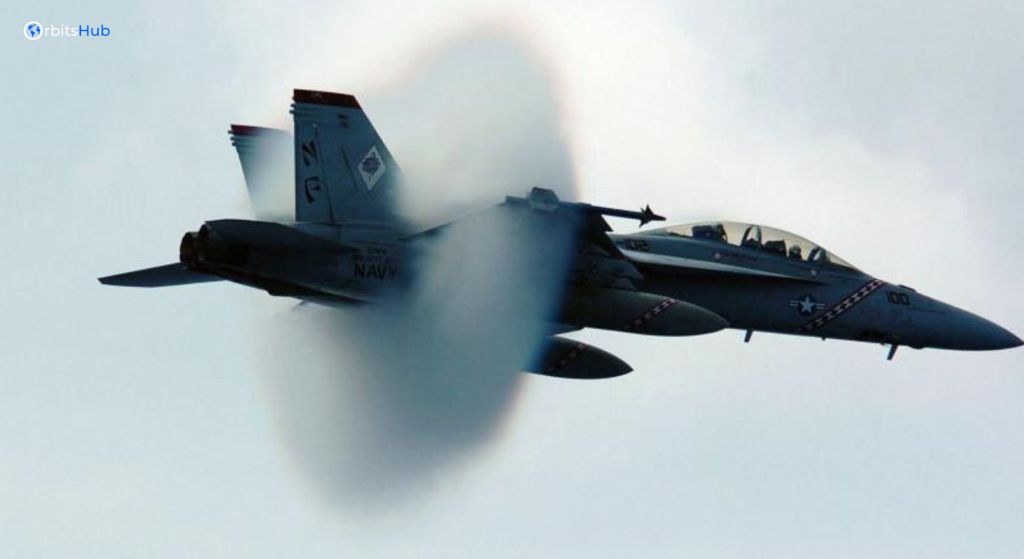
One of the main challenges of supersonic flight is noise pollution caused by sonic booms. These loud noises occur when an aircraft exceeds the speed of sound, creating shockwaves. Researchers are developing technologies to minimize sonic booms to address this issue, making supersonic flights quieter and more acceptable to the public.
Fuel Efficiency
Supersonic aircraft consume more fuel than their subsonic counterparts, leading to higher operational costs and environmental impact. Advances in engine technology and the use of alternative fuels are being pursued to enhance fuel efficiency and reduce emissions, making supersonic travel more sustainable.
Regulatory Hurdles
The introduction of commercial supersonic flights faces regulatory challenges, particularly regarding noise restrictions and environmental standards. Collaborative efforts between aviation companies and regulatory bodies are essential to establish guidelines for supersonic aircraft’s safe and sustainable operation.
Supersonic aircraft represent a significant leap in aviation technology, promising faster and more efficient air travel. While challenges remain, advancements in design, materials, and engine technology are paving the way for a new era of supersonic flight. As we look to the future, the potential for sustainable and economically viable supersonic travel is on the horizon, promising to transform how we connect across the globe.
Explore more about aviation and maritime consultancy advancements by visiting the OrbitsHub website.