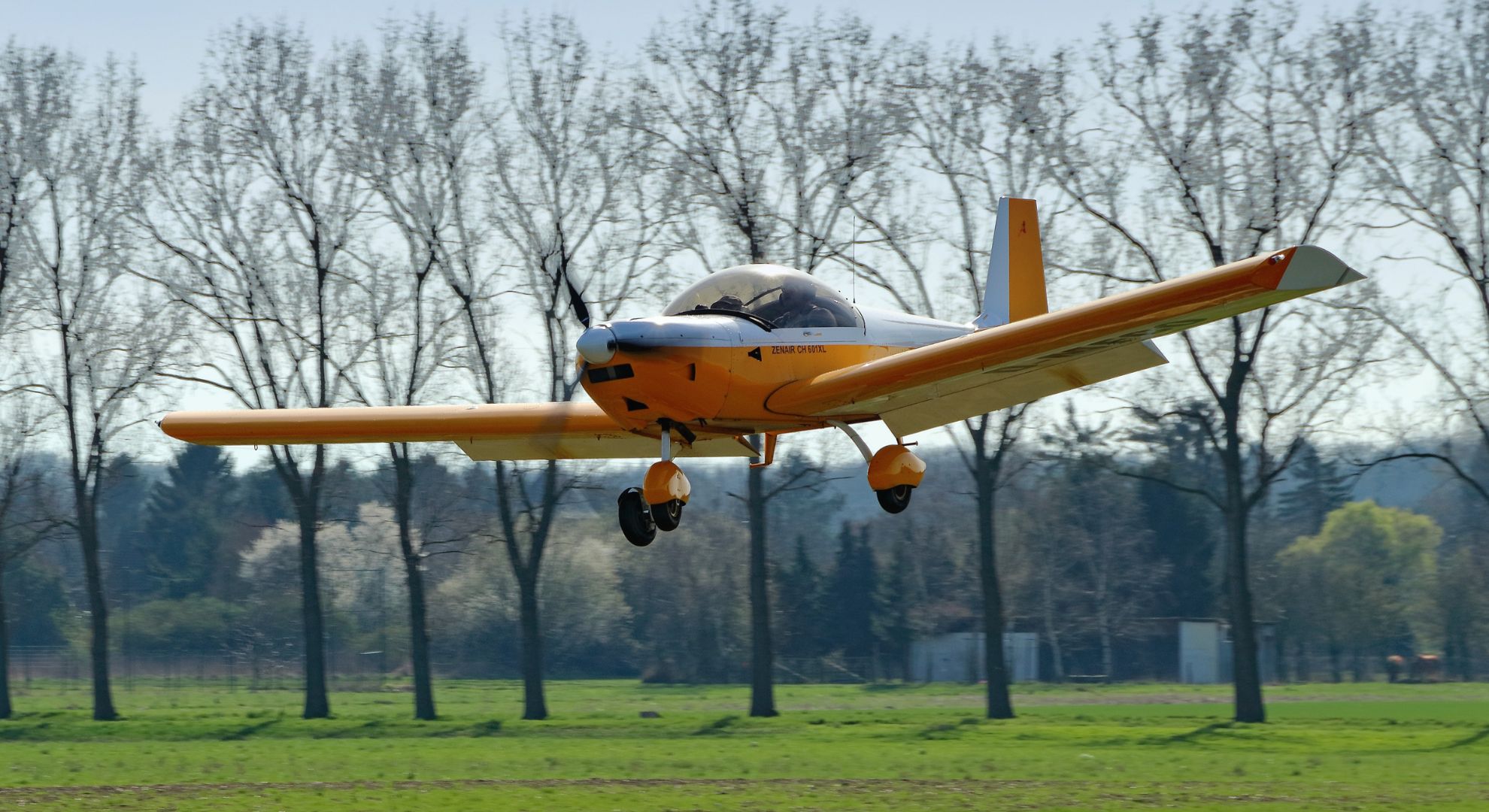

In some territories, Microlight aircraft, often labelled ultralight aviation, present an exhilarating and affordable pathway into aviation. These lightweight, usually 1- or 2-seat fixed-wing planes have experienced a surge in popularity over the years. This rise in popularity is due to their affordability, simplicity of operation, and the unique flying experience they offer. This essay aims to thoroughly introduce microlight aircraft, their similarities and differences to light aircraft, and the risks and benefits of piloting one.
Defining Microlight Aircraft
Knowing what a microlight aircraft is can help you confidently dive into the details. The definition of a aircraft varies globally. Still, a general rule of thumb is that they are aircraft below a specified maximum weight, usually not exceeding 450kg or 1000 lbs for take-off. Additional criteria may also include maximum wing loading and maximum stall speed.
Types of Microlight Aircraft
There are two categories of microlight aircraft – weight shift (or flexiwing) and three-axis.
Weight Shift Microlight
Weight shift microlights evolved from hang gliders and are characterized by a flexible wing and an open cockpit accommodating the pilot and passenger. The pilot manipulates the aircraft’s direction by shifting a bar in front of them, effectively shifting the weight beneath the wing, leading to a change in direction.
Three-Axis Microlight
In contrast, a three-axis microlight usually features rigid wings and exhibits a resemblance to conventional aircraft. The pilot governs the direction of flight using a joystick or wheel and rudders, and the aircraft responds conventionally to aileron, elevator, and aircraft rudder movements.
Microlights vs. Light Aircraft
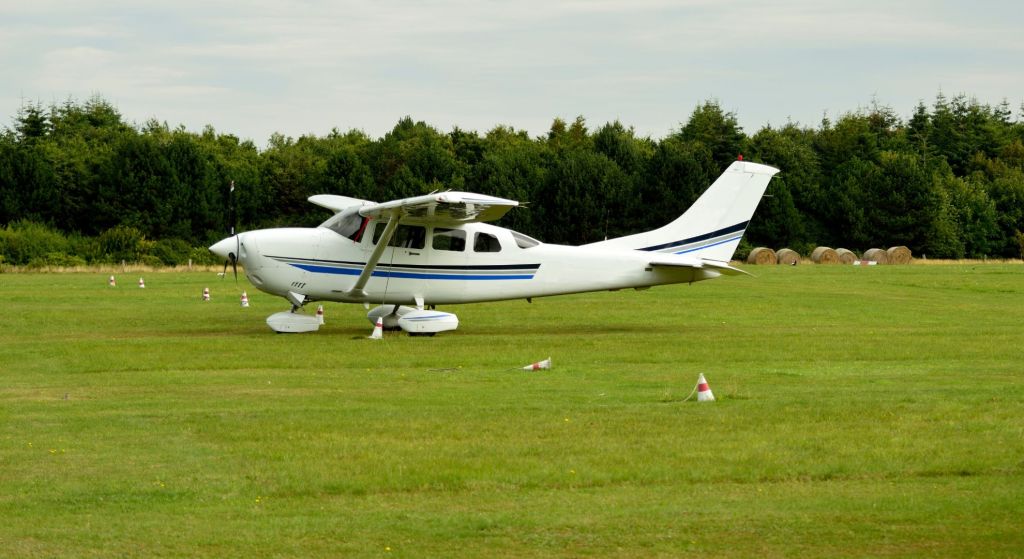
When comparing microlights to light aircraft, deciding which one to opt for is subjective, as each type offers unique benefits and drawbacks.
Advantages of Microlights
Affordability
One of the most attractive features of microlights is their price point. The comparatively lower costs associated with purchasing and maintaining a microlight make it an ideal choice for beginners and recreational flyers who wish to invest heavily in a larger aircraft.
Fewer Training Hours
To fly a microlight, the required training hours are significantly less than that needed for a Light Aircraft Pilot Licence (LAPL) or a Private Pilot Licence (PPL). This aspect makes microlights popular among aviation enthusiasts who can’t wait to take to the skies.
Lower Licence Maintenance Fee
Maintaining a microlight licence is considerably cheaper than retaining the licence required for a light aircraft. This factor makes flying more accessible, positioning microlights as a favoured airplane among hobbyists.
Lower Speeds
While this might seem like a downside for those hoping to cover long distances, the slower speeds of microlights are perfect for those who fly for scenery and enjoyment; a leisurely flight through the sky can be enjoyable and liberating, making microlights a must-try for all aviation enthusiasts.
Advantages of Light Aircraft
Greater Skill Involved
Flying a light aircraft requires more skill, which can boost a pilot’s confidence and allow them to excel in aviation. If you are a pilot enjoying the rewarding nature of mastering a complex task, you might enjoy flying light airplane more than a microlight.
More Accessible
Light aircraft are the industry standard, which makes them highly accessible and readily available. If you are a globetrotter looking for an aircraft that can easily be maintained anywhere in the world, you would be better off opting for a light aircraft.
Suitable for Longer Flights
Another feature of light aircraft that makes them better suited for international and long-distance travel is their higher speeds. If you want to cover distances quickly, a light aircraft may be a better option.
The Future of Microlight Technology: Advancements and Innovations
This section explores the exciting advancements happening in the world of microlight technology. Here are some potential areas to discuss:
- Electric and Hybrid Propulsion: Discuss the growing trend of electric and hybrid powertrains in microlights. Highlight the environmental benefits and potential performance improvements these technologies offer.
- Safety Innovations: Explore new technologies that enhance the safety of microlight aircraft. These could include parachute systems, stall warning systems, and autopilot features.
- Advanced Materials: Discuss using lighter and stronger materials in microlight construction. This could improve performance, efficiency, and payload capacity.
Licence Requirements for Microlights and Light Aircraft
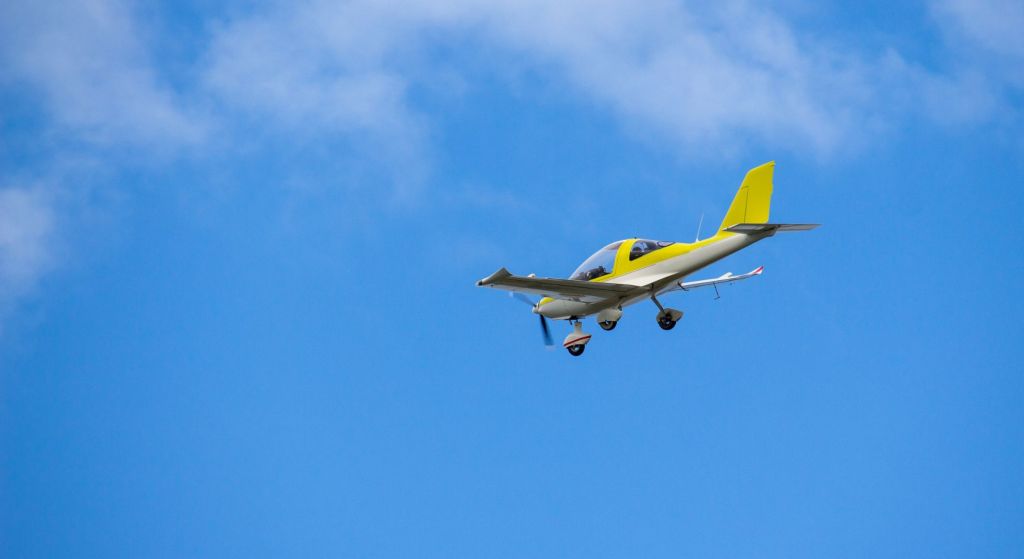
The licence requirements for flying microlights and light aircraft vary. For microlights, the training requirements aren’t as stringent, making it a relatively stress-free experience for aspiring pilots. On the other hand, light aircraft require more advanced training and a comprehensive understanding of aviation rules and regulations.
Safety Considerations and Risk Management
- Discuss the safety aspects of flying microlight aircraft, including pilot training, maintenance requirements, weather conditions, and risk mitigation strategies.
- Compare the safety records of microlights with those of light aircraft and highlight any notable differences or common safety concerns.
- Provide advice on how to fly a microlight safely and comfortably, emphasizing pre-flight checks, being aware of your surroundings, and following all applicable aviation laws.
Environmental Impact and Sustainability
- Explore the environmental footprint of microlight aircraft compared to light aircraft, considering factors like fuel consumption, emissions, noise levels, and ecological sensitivity.
- Discuss initiatives within the microlight aviation community to promote sustainability, such as using electric or hybrid propulsion systems, eco-friendly materials, and responsible flying practices.
- Highlight the potential benefits of microlight flying, such as reducing carbon emissions, supporting local airfields, and fostering a greater appreciation for nature and conservation among pilots.
Accessing Microlight and Light Aircraft
The places where you can fly microlights and light aircraft also differ. While microlights are usually flown in open areas with less air traffic, light aircraft are often flown in more regulated airspace, following strict air traffic control guidelines.
Both microlights aircraft possess unique characteristics that cater to different needs and preferences. Whether you’re an aviation enthusiast yearning for a leisurely flight or an aspiring pilot eyeing the skies, understanding the nuances between microlights and light aircraft can aid in making an informed decision. Embarking on the aviation journey is undoubtedly an exciting endeavour, and choosing the right airplane can significantly enhance this thrilling experience.
FAQ’s
1. What is a microlight aircraft?
A microlight aircraft is a small, lightweight aircraft that carries one or two people. It typically has a maximum takeoff weight of around 450 kilograms (992 pounds) and is used for recreational flying or training.
2. How does a microlight aircraft differ from other aircraft?
Microlight aircraft are distinct from traditional aviation in size, weight, and regulations. They are lighter, more straightforward in design, and often have a fabric-covered frame. Additionally, they operate under specific regulatory frameworks tailored to their characteristics.