Understanding Tanjung Priok Port
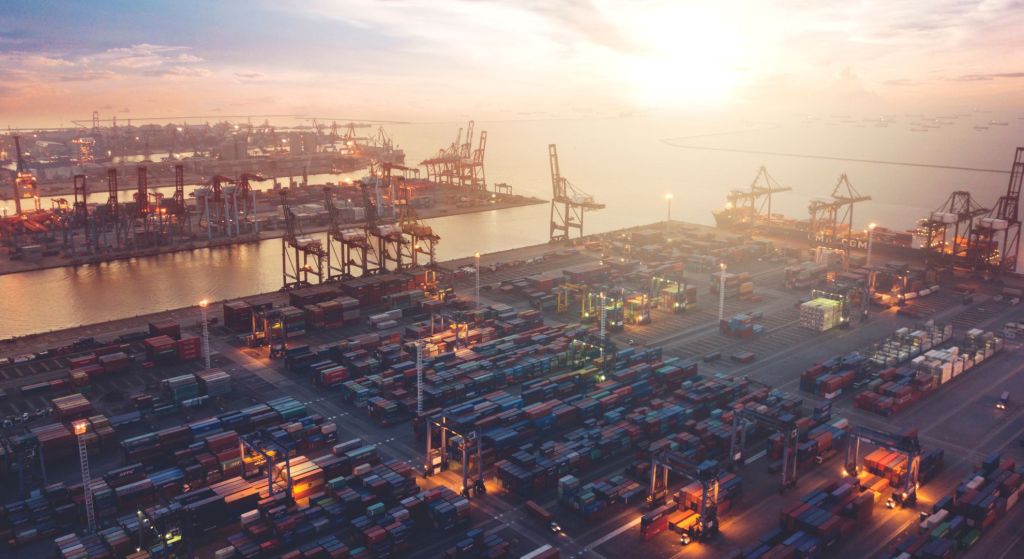
Tanjung Priok Port is Indonesia’s largest and busiest seaport, serving as the main entry and exit point for goods flowing in and out of the country. Strategically situated on the coast of the Java Sea, it facilitates international trade and domestic distribution, connecting Indonesia with the global market. Serving a wide range of sectors, the port handles a variety of cargo categories, including bulk commodities, liquid bulk, containers, and general cargo.
Historical Evolution
The history of Tanjung Priok Port dates back to the colonial era when Indonesia was under Dutch rule. Originally constructed in the late 19th century, the port underwent significant developments during the Dutch East Indies period, primarily to serve the colonial administration’s trade interests. Over the years, with Indonesia gaining independence and the subsequent expansion of maritime trade, Tanjung Priok Port has continually evolved, modernizing its infrastructure and enhancing its capacity to meet growing demands.
Infrastructure and Operations

Tanjung Priok Port boasts extensive infrastructure designed to facilitate efficient cargo handling and vessel operations. The port comprises multiple terminals specialized for different types of cargo, including the Container Terminal, Multipurpose Terminal, and Liquid Terminal. These terminals are equipped with state-of-the-art cranes, storage facilities, and logistics systems to ensure smooth operations.
The port operates round the clock, employing advanced technologies for vessel scheduling, cargo tracking, and customs clearance. It adheres to international standards of safety, security, and environmental sustainability, implementing measures to minimize carbon emissions and mitigate potential risks.
Economic Significance
Tanjung Priok Port, Indonesia’s main maritime entry point, is essential to the country’s economy. It supports a number of businesses, including mining, agriculture, and manufacturing, by making it easier to import and export items. The port’s efficiency and connectivity contribute to Indonesia’s competitiveness in the global market, attracting foreign investments and stimulating economic growth.
Moreover, Tanjung Priok Port serves as a key transit point for regional trade within Southeast Asia, fostering economic integration and collaboration among neighboring countries. Its strategic location along international shipping routes further enhances its significance in the global maritime network.
Challenges and Opportunities

Despite its importance, Tanjung Priok Port faces several challenges that hinder its optimal performance. Congestion, infrastructure constraints, bureaucratic procedures, and logistical inefficiencies are among the primary issues that need to be addressed. Moreover, competition from other regional ports and geopolitical tensions pose additional challenges to the port’s growth and competitiveness.
However, amidst these challenges lie opportunities for improvement and expansion. The Indonesian government has outlined ambitious plans for port development and infrastructure enhancement, aiming to upgrade Tanjung Priok Port into a world-class maritime hub. Investments in modernization projects, digitalization initiatives, and capacity-building efforts are underway to enhance efficiency, productivity, and competitiveness.
Future Prospects
Looking ahead, Tanjung Priok Port holds immense potential for further growth and development. With the implementation of strategic reforms and infrastructure upgrades, the port is poised to accommodate larger vessels, increase cargo throughput, and strengthen its position as a regional maritime center. Additionally, initiatives to promote sustainability and environmental stewardship will ensure the port’s long-term viability amid evolving global trends.
Furthermore, Tanjung Priok Port’s integration with Indonesia’s broader transportation network, including railways, highways, and logistics hubs, will enhance connectivity and facilitate seamless multimodal transportation. This integrated approach will not only streamline cargo movement but also spur economic development across the region.
Tanjung Priok Port stands as a testament to Indonesia’s maritime heritage and economic process. As the nation’s primary gateway to the world, it embodies resilience, innovation, and ambition. By overcoming challenges, seizing opportunities, and embracing sustainable practices, Tanjung Priok Port is poised to shape the future of Indonesia’s trade and commerce, connecting the nation to new horizons of prosperity.