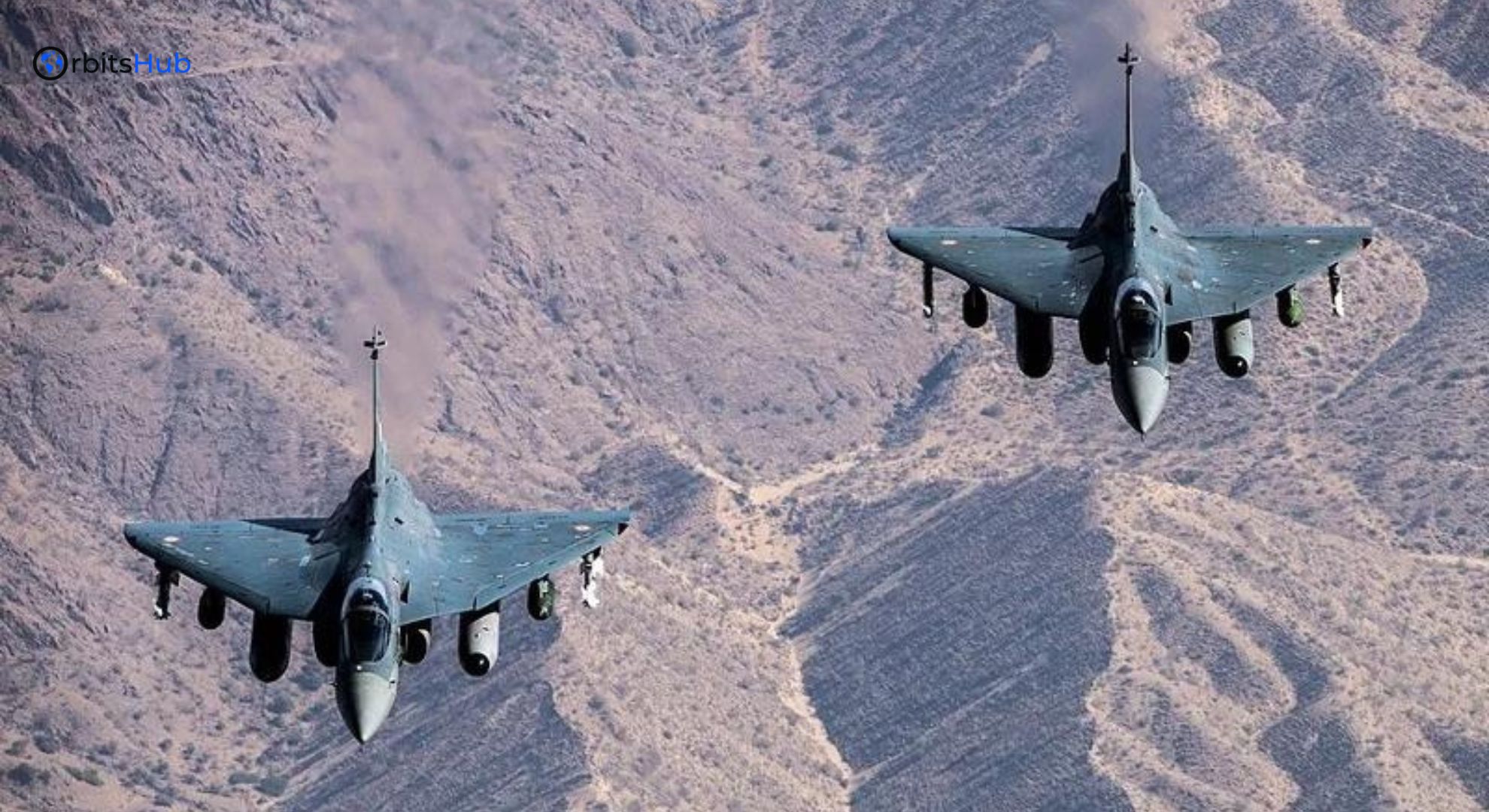

Soaring through the Indian skies, the Tejas light combat aircraft (LCA) embodies India’s growing prowess in indigenous aerospace technology. This lca tejas twin seater aircraft, developed by the Aeronautical Development Agency (ADA) and Hindustan Aeronautics Limited (HAL), is a crucial component of the Indian Air Force’s (IAF) modernization efforts. This blog delves into the Tejas aircraft, exploring its features, capabilities, and significance within India’s defence strategy.
Unveiling the Tejas: A Lightweight Powerhouse
The Tejas, meaning “Radiance” in Hindi, is a single-engine, delta-wing, multirole combat aircraft. Here’s a closer look at its key characteristics:
- Indigenous Design: A testament to India’s technological advancements, the Tejas is a shining example of indigenous design and development. This reduces dependence on foreign suppliers and fosters domestic expertise in aircraft manufacturing.
- Lightweight Agility: The HAL Tejas aircraft is classified as a 4.5-generation light combat aircraft. Its relatively smaller size and weight compared to heavier fighter jets offer advantages like superior manoeuvrability and lower operating costs.
- Multirole Capabilities: The Tejas is an actual multirole fighter, capable of undertaking various missions, including air combat, air-to-surface strike, and reconnaissance. Its versatility allows it to respond to diverse aerial threats effectively.
Exploring the Variants of Tejas Aircraft
The Tejas program has produced several variants catering to different operational needs:
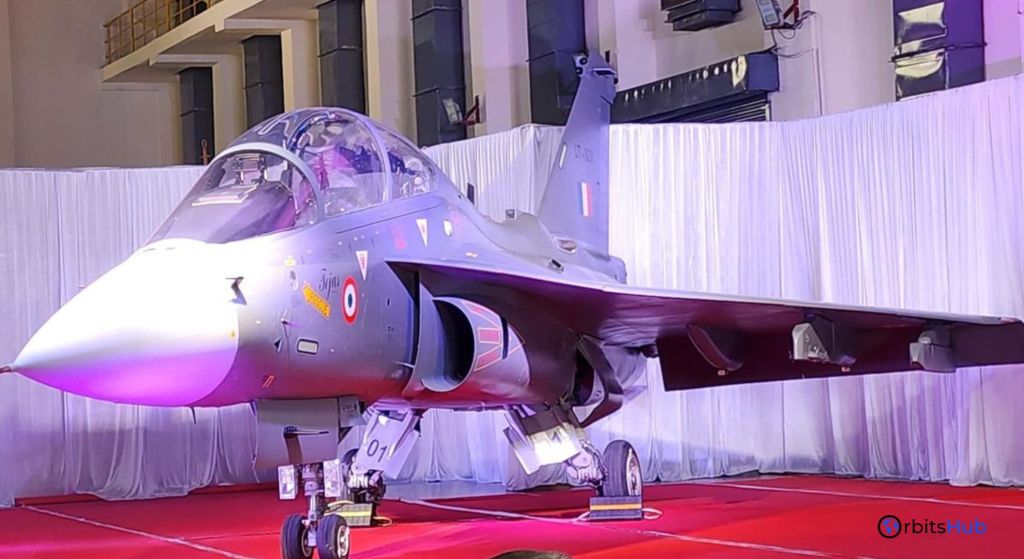
- Tejas Mk 1: The initial operational version of the Tejas, the Mk 1, forms the mainstay of the IAF’s LCA fleet. It has a powerful engine, a digital fly-by-wire control system, and a diverse weapons package.
- Tejas Mk 1A: The Tejas Mk 1A’s more powerful chassis, enhanced electronic warfare suites, and superior radar systems distinguish it from its predecessor, the Mk 1.
- HAL Tejas Trainer: A dedicated trainer variant of the Tejas is under development to provide IAF pilots with realistic training on the aircraft’s systems and handling characteristics before transitioning to operational variants.
- 97 Tejas Aircraft: The Indian government recently approved buying an extra 97 Tejas Aircraft Mk 1A, which will greatly increase India’s air power. This will significantly enhance the IAF’s fighter squadron strength and capabilities.
Tejas: A Symbol of India’s Growing Defense Capabilities
The Tejas program holds immense significance for India’s defence aspirations:
- Self-Reliance in Defense Production: The successful development and production of the Tejas reduce India’s reliance on foreign fighter jets, promoting self-reliance in the critical defence sector.
- Boosting IAF’s Capabilities: The induction of Tejas aircraft equips the IAF with a modern and versatile fighter jet, strengthening India’s aerial defence capabilities and deterrence against potential threats.
- Technological Advancement: The Tejas program has fostered significant advancements in Indian aerospace technology. The expertise gained can be leveraged for future indigenous aircraft development projects.
The Future of Tejas: A Twin-Seater Variant and Beyond
The Tejas program continues to evolve, with future developments on the horizon:

- Tejas Twin-Seater Trainer: Developing a lca tejas twin seater aircraft variant of the Tejas is underway. This dedicated trainer aircraft will provide IAF pilots with improved training efficiency and reduce reliance on single-seat trainers.
- Export Potential: With its advanced features and competitive pricing, the Tejas could be a viable export option for other nations seeking a modern and affordable light combat aircraft.
Advanced Technologies and Weapon Systems
The Tejas boasts an array of advanced technologies and weapon systems that contribute to its combat effectiveness:
- Digital Fly-by-Wire Control System: A digital fly-by-wire control system replaces conventional mechanical flight controls with electronic interfaces. This enhances flight stability and manoeuvrability and reduces pilot workload.
- Advanced Avionics Suite: The Tejas has a state-of-the-art glass cockpit. It features multi-function displays that provide pilots with critical flight information, sensor data, and weapon system controls.
- Radar and Electronic Warfare Systems: The Tejas is integrate with a powerful radar system for target detection, tracking, and air-to-air combat. Electronic warfare suites offer protection against enemy radar and communication jamming attempts.
- Diverse Weapon Systems: The Tejas can be equip with various air-to-air and air-to-surface weapons, including missiles, bombs, and a cannon. This allows it to effectively engage a wide range of aerial and ground targets.
Challenges and Opportunities for the Tejas Program
Despite its impressive capabilities, the Tejas program has encountered specific challenges:

- Development Timeline: The Tejas program has faced delays during its development phase. These delays have been cause by the complexities of developing a new generation of aircraft. Another factor contributing to these delays is the focus on achieving technological self-reliance.
- Operational Integration: Integrating a new aircraft like the Tejas into the IAF’s existing fleet is a complex process. It requires training pilots for the new aircraft. Establishing maintenance infrastructure is necessary. Developing new operational procedures is also require.
- Export Potential: The Tejas is a promising fighter jet. It faces competition from established foreign players in the global arms market.
However, the Tejas program also presents significant opportunities:
- Continuous Improvement: The Tejas program is constantly update with new technologies. This keeps the fighter jet of the Indian Air Force (IAF) modern and competitive.
- Future Variants: The Tejas trainer variant undergoes development, paving the way for a more versatile and capable Tejas family of aircraft with potential future upgrades.
- Global Recognition: Successful Tejas export would generate revenue and enhance India’s image as a credible manufacturer of advanced combat aircraft.
Are you seeking more profound insights into the Indian aerospace industry and defence strategy? OrbitsHub, a leading maritime and aviation consultancy, can be your knowledge partner. Aircraft development Procurement Strategic ramifications Their extensive background in the aerospace and defence industries enables them to provide valuable insights in these areas. Explore our website to learn more about how OrbitsHub can empower your understanding of the ever-evolving world of aviation and defence.
FAQ’s
1. What is Tejas Aircraft?
Tejas Aircraft is a multi-role supersonic fighter aircraft developed by India’s Aeronautical Development Agency (ADA) and Hindustan Aeronautics Limited (HAL).
2. What is its primary purpose?
The primary purpose of Tejas Aircraft is to serve as a potent platform for aerial combat, capable of air superiority, ground attack, surveillance, and electronic warfare missions.