


Port Jackson/Sydney Harbour, Australia
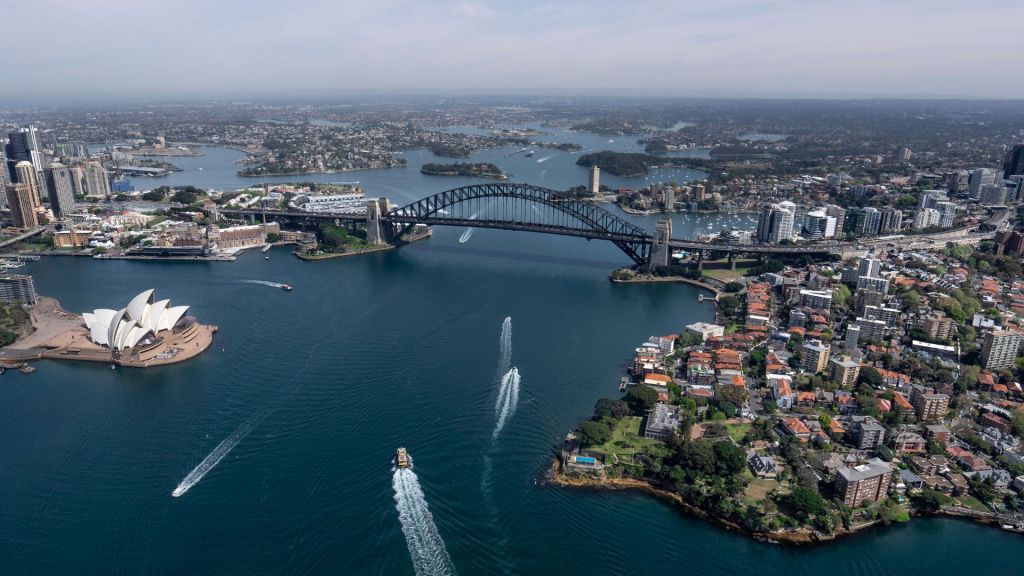
There is no natural harbor in the world that is bigger or deeper than Port Jackson, which is also called Sydney Harbour.Located in New South Wales, Australia, it covers an area of 55 square kilometres and stretches for 19 kilometres. The irregular foreshores of Port Jackson extend for over 150 miles, providing extensive docking facilities for ships.
The entrance to Port Jackson is flanked by the North and South Heads, which are home to naval and military stations. The Sydney Opera House, Sydney Harbour Bridge, and the rest of this famous harbour are world-famous attractions in addition to the stunning scenery.
Port Jackson serves as the principal port facility of New South Wales, handling a variety of cargo, such as petroleum products, dry bulk, containers, and general cargo. Annually, approximately 29.2 million tonnes of cargo, including 1.8 million TEUs (Twenty-foot Equivalent Units), are handled at this bustling port.
Historical Significance
Port Jackson, commonly known as Sydney Harbour, holds immense historical importance for Australia. It was the first place where Europeans lived in Australia. They came in 1788 with Captain Arthur Phillip’s First Fleet. This was the start of British settlement and the building blocks of modern Australia. The harbor has since played a crucial role in the development of Sydney and the nation as a whole, serving as a major port, naval base, and iconic landmark.
Key Features and Statistics
- Area: Approximately 55 square kilometers (21 square miles)
- Shoreline: About 317 kilometers (197 miles) in length
- Depth: Varies, with an average depth of 13 meters (43 feet)
- Notable landmarks: Sydney Opera House, Sydney Harbour Bridge
- Islands: Several, including Cockatoo Island, Goat Island, and Fort Denison
- Major tributaries: Parramatta River, Lane Cove River
- Annual vessel movements: Over 40,000 commercial and recreational vessels
- Economic impact: Contributes significantly to tourism and trade, with the Port of Sydney handling over $60 billion in trade annually
Unique Feature
One of the most unique features of Sydney Harbour is its natural “drowned river valley” formation. Unlike many other harbors that are artificially created or heavily modified, Sydney Harbour was formed when rising sea levels flooded the Parramatta River valley at the end of the last ice age, around 10,000 years ago. This geological history has resulted in a complex system of bays, coves, and inlets, creating a naturally deep harbor with numerous sheltered anchorages. This unique topography not only makes it one of the world’s most beautiful natural harbors but also contributed to its historical importance as a safe haven for ships and its ongoing significance as a major port.
Poole Harbour, United Kingdom
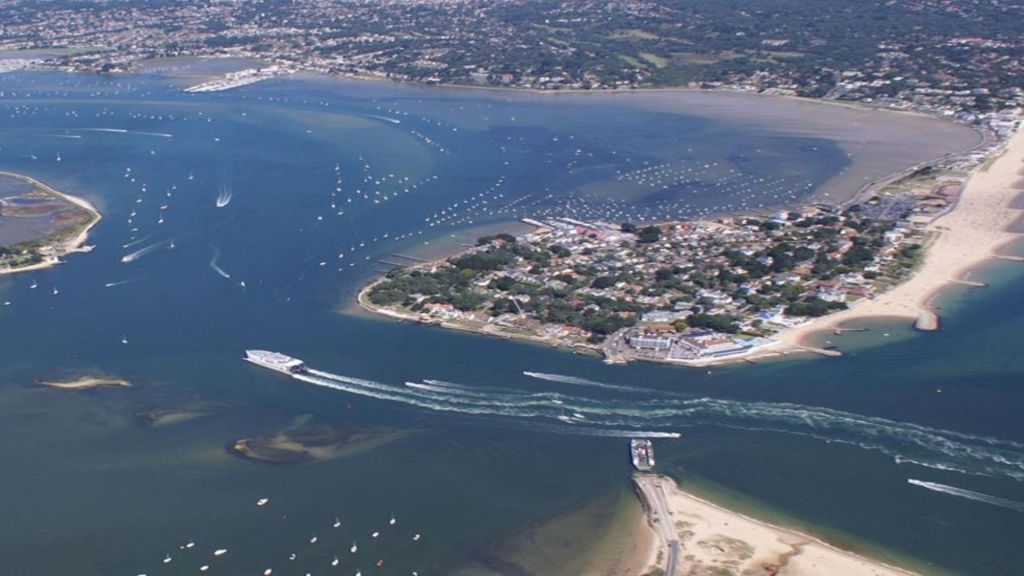
Poole Harbour, situated in Dorset, England, is the second-largest natural harbour in the world.Formed at the last glacial period, this harbour is one of a kind; it is an estuary for multiple rivers, the biggest of which is the Frome River. With an average depth of 48 cm, Poole Harbour covers an area of approximately 36 square kilometres.
The shallow nature of Poole Harbour requires careful navigation through dredged channels. Marinas line its shores, making it an ideal spot for leisure sailing and boating. Fishing, cargo handling, ship repair, and oil rig lay are just a few of the many industries that rely heavily on the harbour.
Poole Harbour handles a diverse range of cargo, including Roll-on/Roll-off (RORO), bulk, chemicals, and private quays for sea-dredged sand, timber, and petroleum products. Annually, around 1.13 million tonnes of cargo and over 4,000 TEUs are handled at this vibrant harbour.
Historical Significance
Poole Harbour has a rich history dating back to prehistoric times. It was an important trading port during the Roman occupation of Britain and continued to be a significant maritime center throughout the medieval period. The harbor was very important during World War II because it was one of the main places where ships left for the 1944 D-Day attacks. Its strategic importance and natural features have made it a key site for maritime activities, trade, and defense for centuries.
Key Features and Statistics
- Area: Approximately 36 square kilometers (14 square miles)
- Shoreline: About 100 kilometers (62 miles) in length
- Depth: Generally shallow, with an average depth of 48 centimeters (19 inches) at low tide
- Islands: Several, including Brownsea Island, home to one of the UK’s largest natural harbors
- Main channels: Swash Channel, Middle Ship Channel, North Channel
- Annual vessel movements: Over 5,000 commercial and numerous recreational vessels
- Wildlife: It has been named an SSSI and a bird protection area.
- Economic impact: Significant contributor to local economy through tourism, fishing, and commercial shipping
Unique Feature
A unique feature of Poole Harbour is its double high tide. This rare tidal phenomenon results in two high tides in quick succession, with only a slight drop in water level between them. This occurs due to the harbor’s unusual shape and its interaction with the tides of the English Channel. The double high tide extends the period of high water in the harbor, which has historically been beneficial for maritime activities and continues to influence the harbor’s use today. This feature, combined with the harbor’s shallow nature and numerous islands, creates a complex and ecologically rich environment that is rare in the UK and globally.
Port of Cork, Ireland

Situated at the confluence of the River Lee in County Cork, Ireland, Cork Harbour is an ecological harbor that holds immense economic and historical importance. It has served as an important port and a defensive hub for centuries. Cork Port, extending 15 nautical miles from the Celtic Sea, lies on the southern coast of Ireland.
The strategic location of Cork Harbour, along with its excellent road and rail connections, facilitates efficient cargo distribution throughout Ireland and beyond. The port handles a wide range of exports, including livestock, dairy products, petroleum products, and woodchips. In terms of imports, it deals with grains, feedstuff, fertilizers, coal, and steel, among others.
Each year, the Port of Cork handles approximately 2,260 ships, 8.8 million tonnes of cargo, 147,500 TEUs, and welcomes over 52 cruise ships carrying more than 100,000 passengers. With its rich history and thriving maritime activities, the Port of Cork continues to contribute significantly to Ireland’s economy.
Historical Significance
The Port of Cork has a long and storied history dating back to the 6th century. It has been a crucial maritime hub for Ireland since medieval times, playing a significant role in the country’s trade and emigration. During the Great Famine of the 1840s, it served as a major departure point for Irish emigrants seeking new lives abroad. The port also played a strategic role during both World Wars and has been central to Cork’s development as a major Irish city. Its position as the second-largest natural harbor in the world has ensured its continued importance in Ireland’s maritime history.
Key Features and Statistics
- Location: Situated in Cork Harbour, the second-largest natural harbor in the world
- Facilities: Deep-water quays, container terminal, cruise terminal
- Annual cargo throughput: Approximately 10 million tonnes
- Container traffic: Over 200,000 TEUs (Twenty-foot Equivalent Units) annually
- Cruise ship visits: Around 100 per year (pre-COVID-19 numbers)
- Economic impact: Supports over 1,500 jobs directly and indirectly
- Key trades: Agri-food products, petroleum, containers, bulk cargoes
- Terminals: Ringaskiddy, Tivoli, Cork City Quays, Cobh Cruise Terminal
Unique Feature
A unique feature of the Port of Cork is its Lower Harbor Development at Ringaskiddy. This ambitious project, completed in recent years, involved the construction of a new container terminal with a 360-meter quay and 13-meter depth alongside. What makes this development particularly noteworthy is its integration of cutting-edge technologies and sustainable practices. The terminal has a lot of green features, like rainwater collection systems and lighting that uses less energy. It also has modern, low-emission tools for moving cargo. This development not only expands the port’s capacity but also positions it as one of the most modern and environmentally friendly ports in Europe, capable of handling larger vessels and increasing Ireland’s global trade connections.
Port of Trincomalee, Sri Lanka

The Port of Trincomalee, located on the northeast shores of Sri Lanka, is one of the largest and most beautiful deep-sea harbours in the world. Surrounded by highlands and protected by two headlands, Trincomalee Harbour offers a picturesque setting for maritime activities.
This natural harbour has an entrance channel that is 500 meters wide and an inner and outer jetty for handling various types of cargo. The main commodities handled at the Port of Trincomalee include wheat, clinker, petroleum products, cement, and bulk goods. Additionally, it offers a separate berth for cruise ships, accommodating vessels of any size.
Trincomalee Harbour has a rich historical background, with various naval powers, including the Dutch, French, Portuguese, and British, vying for control of its strategic location. Today, the port serves as a vital hub for trade and tourism, contributing significantly to the economic development of Sri Lanka.
Historical Significance
The Port of Trincomalee has a rich history dating back thousands of years. It has been mentioned in ancient Tamil and Greek texts, indicating its importance as a maritime hub since antiquity. As a British military base during World War II, the natural harbor was very important. Its strategic position in the Indian Ocean made it desirable to many colonial powers, such as the British, Portuguese, and Dutch. The port’s significance extends beyond maritime trade, as it has been central to Sri Lanka’s political and military history, particularly during the country’s civil war from 1983 to 2009.
Key Features and Statistics
- Location: Northeastern coast of Sri Lanka
- Harbor size: One of the largest natural harbors in the world
- Depth: Ranges from 20 to 50 meters (66 to 164 feet)
- Entrance channel width: Approximately 500 meters (1,640 feet)
- Port facilities: Deep-water terminal, oil terminal, naval dockyard
- Annual cargo handling capacity: Around 1 million tonnes
- Key industries: Tourism, fishing, agriculture exports
- Strategic importance: Considered a vital asset for naval operations in the Indian Ocean
Unique Feature
The most unique feature of the Port of Trincomalee is its exceptional natural harbor. What sets it apart is not just its size, but its remarkable combination of depth, shelter, and strategic location. The harbor is so vast and deep that it’s said to be capable of accommodating the entire British naval fleet at its peak. Its natural layout provides excellent protection from monsoons, making it a safe haven for ships year-round.
Port of Mahon, Minorca
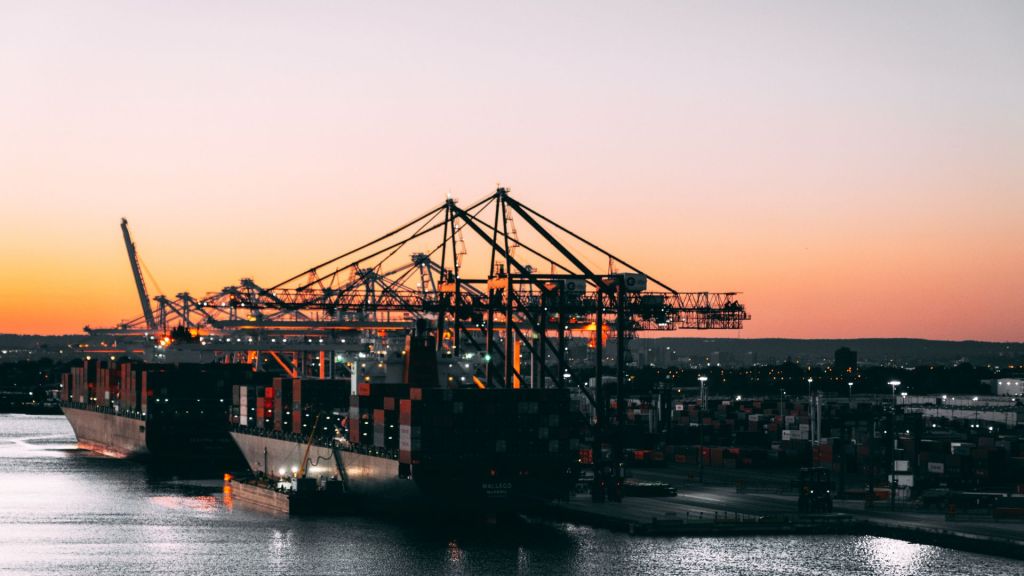
The Port of Mahon, located in Minorca, is one of the world’s longest and largest natural harbours. With a length of 6 kilometers, a width of 1,200 meters, and a depth of up to 30 meters, it offers ample space for ships to navigate and dock.
Mahon is not only a natural harbour but also a vibrant city with English architecture, historic sites, and recreational opportunities. Yachts and cruise ships often visit the port, adding to its charm and allure. The port provides regular passenger and cargo services to destinations such as Palma and Barcelona.
Cargo handled at the Port of Mahon includes containers, bulk goods, liquids, and general cargo. It handles approximately 866,300 tonnes of cargo and welcomes around 800 vessels annually. With its stunning natural beauty and thriving maritime activities, the Port of Mahon is a must-visit destination for maritime enthusiasts.
Port of Halifax, Canada
The Port of Halifax, located on the eastern coast of Nova Scotia, Canada, is a major natural port that offers deep and ice-free waters. With a land area of 10 square kilometers and water area of 150 square kilometers, it provides ample space for ships to navigate and dock.
Halifax Harbour, part of the Port of Halifax, has a strategic location that provides direct access to Europe, Southeast Asia, and other North American East Coast ports. It serves as a vital gateway for trade, accommodating fully loaded post-Panamax container ships.
Food items, machinery, cars, and containers are just some of the many types of cargo that pass through the port. Annually, it facilitates the movement of approximately 12.3 million tonnes of cargo and over 490,000 TEUs. The Port of Halifax plays a crucial role in supporting the regional economy, generating 15,000 jobs and $2 billion in economic activity.
Falmouth and Carrick Roads, Cornwall, United Kingdom
Falmouth and Carrick Roads, located in Cornwall, England, form one of the largest natural harbours in the world. With depths of up to 34 meters, it is Western Europe’s deepest natural harbor. Falmouth Harbour, a prominent hub within Carrick Roads, has a rich maritime history.
The natural features of Falmouth and Carrick Roads make them ideal for anchorage and have been instrumental in the success of various naval operations throughout history. An important staging ground for the D-Day landings, this harbor served as a strategic base for the US Navy throughout WWII.
Today, Falmouth and Carrick Roads continue to be important for commercial shipping, fishing, and recreational boating. People come from all over the globe to see this natural harbour because of its stunning scenery and rich history.
Port of Rotterdam, Netherlands

The Dutch port of Rotterdam handles more cargo than any other port in the world, making it the biggest port in Europe and ranked sixth overall. It connects Europe to the rest of the world and serves as a vital hub for international trade.
Rotterdam is a vital hub for the transportation of goods entering and leaving Europe due to its strategic position on the Rhine-Meuse-Scheldt delta. Containers, bulk goods, and liquid products are just some of the many types of cargo that the port processes.
With its state-of-the-art facilities and efficient transportation networks, the Port of Rotterdam plays a crucial role in supporting the Dutch economy and facilitating global trade.
Port of Singapore, Singapore
The Port of Singapore is one of the busiest and most important ports in the world. Because of its central location along important shipping lanes, it facilitates commerce between more than 100 countries and 600 ports worldwide.
Singapore’s natural harbour, coupled with its advanced infrastructure and efficient operations, has contributed to its success as a major maritime center. Chemicals, dry bulk goods, petroleum products, and containers are just some of the varied types of cargo that the port processes.
The Port of Singapore is an important transshipment hub that allows goods to be moved between Asia, Europe, and the Americas. Its economic impact extends beyond Singapore, contributing significantly to regional and global trade.
Port of Shanghai, China
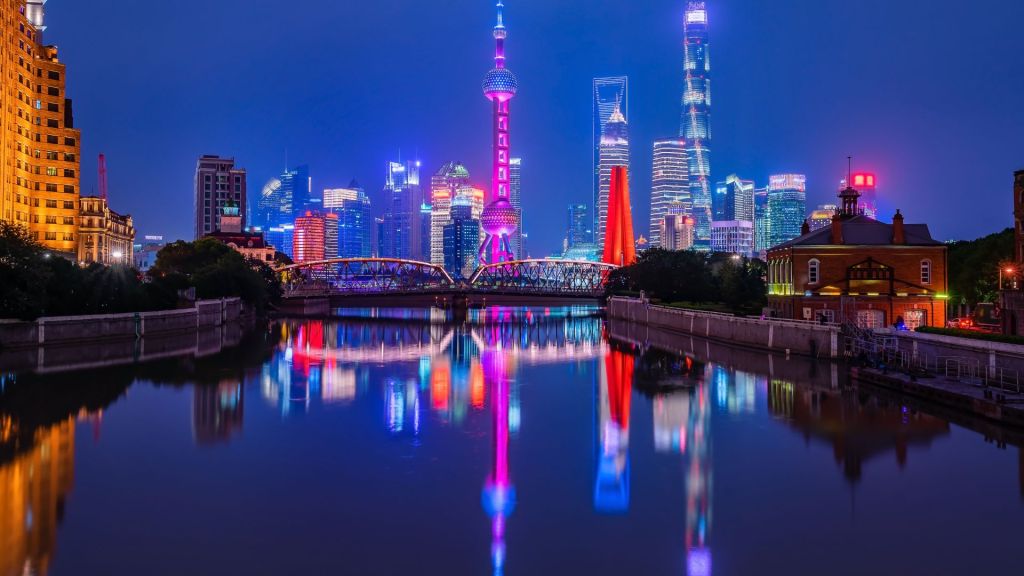
As the biggest and busiest port on Earth, the Port of Shanghai is situated in Shanghai, China. Because of its advantageous position in the East China Sea, it acts as a conduit for international trade with China.
Shanghai Port handles a staggering volume of cargo, including containers, petroleum products, and various dry bulk goods. The port’s facilities can accommodate the largest container ships, making it a vital hub for international shipping.
With its efficient operations, advanced infrastructure, and strategic importance, the Port of Shanghai plays a pivotal role in supporting China’s economy and facilitating global trade.
Natural harbours offer unique advantages for maritime transportation and trade. The ten largest natural ports in the world, including Port Jackson, Poole Harbour, and the Port of Singapore, serve as important gateways for ships, contributing to economic development and global connectivity. Natural harbors like these have always played an important part in forming the world’s maritime industry, and that’s before we even consider their historical importance, strategic locations, or breathtaking beauty.



Comment(01)
Greetings –
Despite lots of excellent factual information, this article includes some ridiculous claims – partly because it confuses”ports” with “harbours”. For example, Rotterdam is Europe’s busiest port, but is clearly not a “natural port”, i.e. a naturally-enclosed harbour. The claim that Port Jackson/Sydney Harbour is the world’s “biggest natural harbour” is equally ludicrous; I refer you to Australia’s busiest port, Port Phillip – a natural harbour with a surface area of 1930 sq.km., compared with Port Jackson ‘s puny 55 sq. km. And to include in this list the muddy inlet of Poole Harbour, unable to accommodate ships of any size, is really stretching your readers’ sense of humour.
S. O Mahony.