The Northernmost Arm of the Baltic Sea

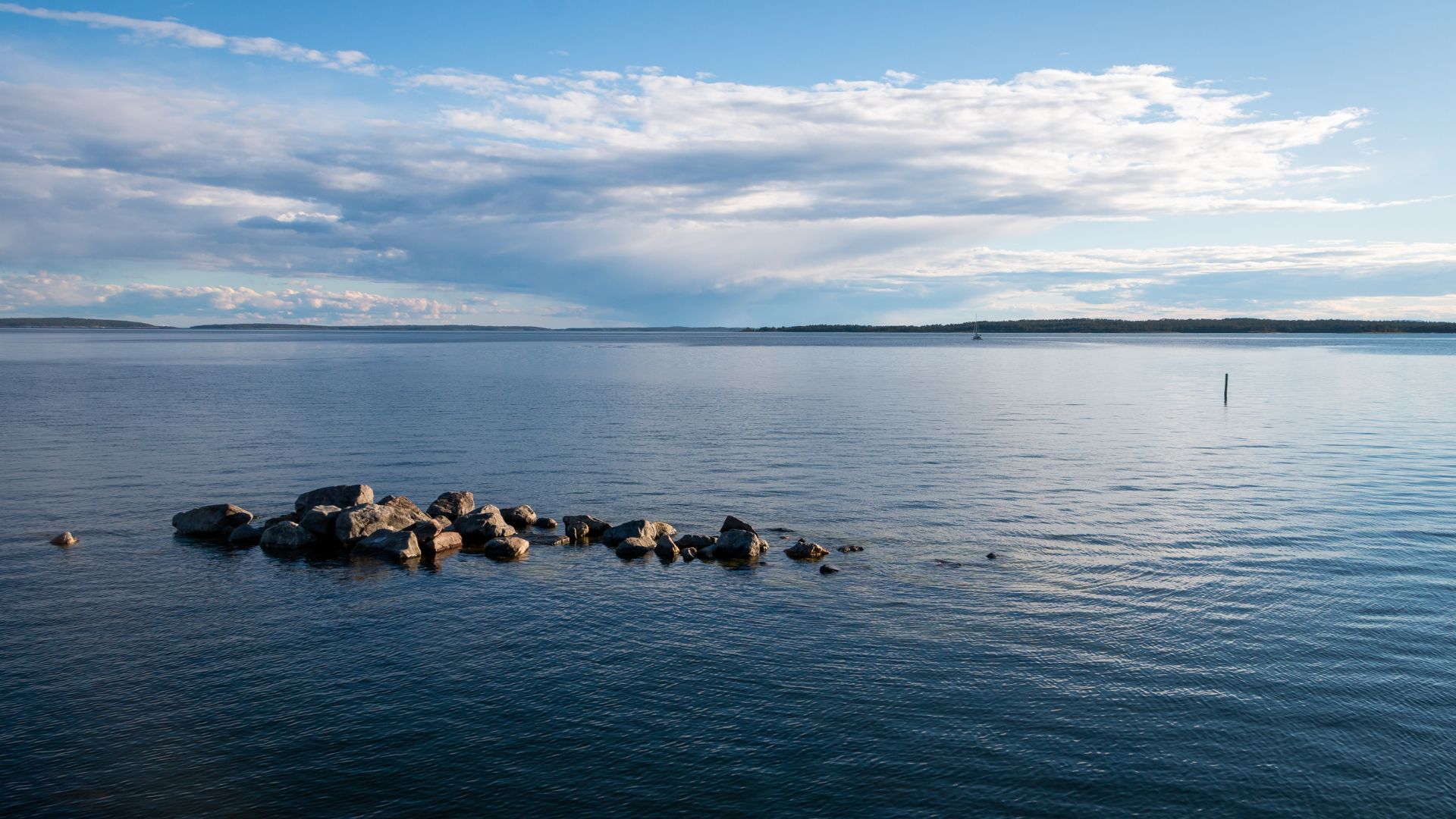
The Gulf of Bothnia is the northernmost part of the Baltic Sea, which is nestled in Northern Europe. Bordered by Sweden in the west and Finland in the east, this unique body of water stretches for about 725 kilometers from north to south. It is characterized by a width that ranges from 80 to 240 kilometers and an average depth of approximately 60 meters. The Gulf of Bothnia consists of two major basins: the Bothnian Bay in the north and the Bothnian Sea in the south.
The Land Continues to Rise
One of the remarkable aspects of the Gulf of Bothnia is that the land surrounding it is still rising. After the immense weight of the ice-age glaciers was removed, the land began to rebound. Over the course of 2,000 years, the bay will eventually transform into a large freshwater lake as its connection to the south, known as Kvarken Strait, becomes shallower. This ongoing isostatic rebound, which occurs at a rate of approximately 9 millimeters per year, makes the Gulf of Bothnia a dynamic and ever-changing environment.
Unique Hydrological Characteristics
The Gulf of Bothnia is fed by several large rivers, including the Kemijoki, Lule, Torne, and Oulu rivers. These rivers contribute to the bay’s relatively low salinity, resulting in a unique hydrological environment. The salinity of the gulf’s surface water decreases from 4-5 parts per 1,000 in the southern part to about 1-3 parts per 1,000 in the northern part. This lower salinity allows for the thriving of freshwater fish species such as pike, whitefish, and perch.
Impact of Seasonal Variations on Marine Life
- Temperature Fluctuations: The Gulf of Bothnia‘s temperature changes dramatically with the seasons, affecting marine life.
- Ice Cover Impact: Winter ice reduces sunlight and temperature, altering habitats and influencing aquatic species’ behavior.
- Adaptation: Fish like perch and pike have adapted to these conditions, with specific breeding times linked to ice melt.
- Migration: Seasonal shifts drive fish migrations, with species moving to different Gulf areas in response to environmental changes.
Ecological Balance: The unique conditions require constant adaptation, maintaining a delicate environmental balance in the Gulf.
Harsh Winters and Ice Cover
The Gulf of Bothnia experiences extremely harsh winters due to its northern location and the Arctic-continental climate influence. During the winter months, the bay is covered in ice for up to six months, making it a frozen landscape. The freezing process begins and ends in the northern Gulf of Bothnia, and traffic restrictions for icebreaker assistance are typically in effect from late January to late April. This ice cover has a significant impact on both the environment and human activities in the region.
Navigational Challenges and Icebreaker Operations
- Ice Formation: Harsh winters lead to extensive ice cover, posing challenges for navigation.
- Icebreaker Role: Icebreakers are essential for keeping shipping lanes open ensuring safe passage for vessels.
- Seasonal Operations: Icebreakers manage thick ice layers from late January to April.
- Advanced Technology: Modern icebreakers use advanced technology to efficiently navigate and break through ice.
Economic Impact: Icebreaking operations support local economies by maintaining vital trade routes during winter.
Extensive Archipelagos and Islands
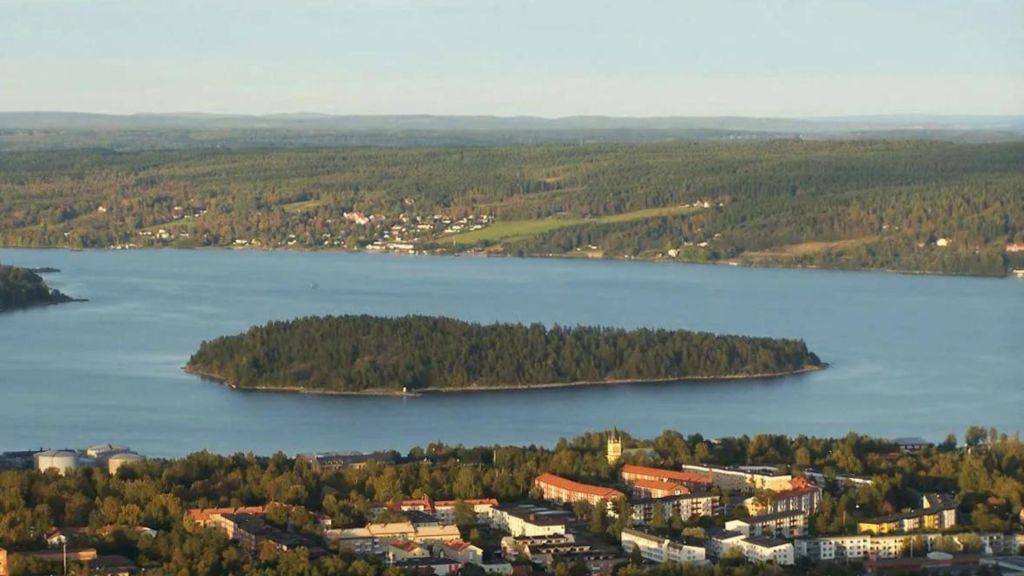
The Gulf of Bothnia is renowned for its numerous islands and archipelagos, which add to its charm and natural beauty. The Finnish Åland Islands, situated at the southern end of the Gulf of Bothnia between the Sea of Åland and the Archipelago Sea, are particularly noteworthy. With over 6,000 islands, the Åland archipelago is a haven for nature enthusiasts. The archipelago is home to Fasta Åland, the largest and most populous island, as well as the picturesque Replot Island, which is Finland’s fourth-largest island.
Rich Biodiversity and Fishing Opportunities
While the Gulf of Bothnia may have lower biodiversity compared to other parts of the Baltic Sea, it still supports a variety of marine life. The bay is home to important fish species such as cod, Baltic herring, perch, pike, sea trout, salmon, and whitefish. These fish thrive in the bay’s unique hydrological conditions, where the lower salinity and cold temperatures create an environment conducive to their survival. Fishing in the Gulf of Bothnia, both for commercial and domestic needs, is an important economic activity in the region.
Traditional and Modern Fishing Techniques
- Historical Methods: Traditional fishing methods like net fishing are still practiced, preserving cultural heritage.
- Technological Advancements: Modern sonar and GPS techniques have enhanced fishing efficiency.
- Sustainable Practices: Regulations promote sustainable fishing to protect fish populations and ecosystem health.
- Economic Significance: Fishing is crucial for local economies, providing jobs and sustaining communities.
Cultural Continuity: Fishing traditions remain integral to the cultural identity of Gulf communities.
Vital Ports and Economic Significance
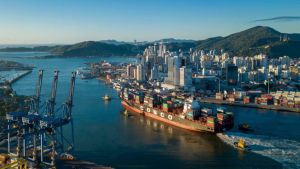
Numerous major ports in the Gulf of Bothnia contribute significantly to the local economy. On the Finnish side, ports such as Kokkola, Oulu, Pori, Rauma, and Tornio handle various types of cargo, including oil, metal ore, and forest wood. These ports facilitate international trade and contribute to the economic development of the surrounding areas. On the Swedish side, ports like Gävle, Luleå, Sundsvall, and Umeå also serve as important gateways for trade and transportation.
Geological Origins and Glacial Legacy
Geologically, the Gulf of Bothnia is an ancient depression that formed through tectonic processes. The depression is partially filled with sedimentary rock deposited during the Precambrian and Paleozoic eras. The region’s glacial history also left a significant imprint on the Gulf of Bothnia. The bay was covered by ice during the last ice age, and the weight of the glaciers caused the land to sink. As the glaciers retreated, the land began to rebound, resulting in the unique geological features observed today.
Role of the Gulf in Nordic Maritime Culture
- Trade and Navigation: The Gulf has been a critical route for trade and navigation, shaping Nordic maritime culture.
- Maritime Skills: Generations have honed skills in navigation, fishing, and shipbuilding, central to regional identity.
- Cultural Heritage: The Gulf’s maritime traditions are celebrated in local folklore, festivals, and music.
- Economic Foundation: Coastal communities have long depended on the Gulf for economic sustenance through fishing and trade.
Tourism and Education: Maritime museums and cultural centers educate visitors on the Gulf’s rich heritage.
Environmental Challenges and Conservation Efforts

Like many bodies of water, the Gulf of Bothnia faces environmental challenges that require conservation efforts. The bay is enclosed by a large drainage basin, which contributes to pollution and affects water quality. Levels of mercury and PCBs have been relatively high, posing risks to the ecosystem. However, the Finnish Food Safety Authority considers herring from the bay edible, as the health benefits of the fatty acids in the fish offset the risks. Efforts are ongoing to monitor and mitigate environmental impacts in the Gulf of Bothnia.
Cultural Significance and Historical References
The Gulf of Bothnia has a rich cultural and historical significance. It has been an important region for human settlement and trade for centuries. Historically, the adventurer Ottar referred to the Gulf of Bothnia as the Kven Sea in the 9th century. Claudius Clavus, a Danish cartographer from the 15th century, mentioned the bay as Mare Gotticus. Maps from the 15th century also began to depict the Gulf of Bothnia, gradually recognizing its geographical importance.
Recreational Activities and Tourism
The Gulf of Bothnia offers various recreational activities and attracts tourists from near and far. The archipelagos and islands provide opportunities for boating, fishing, and wildlife observation. In the winter, the frozen bay becomes a playground for ice skating, ice fishing, and snowmobiling. Outdoor enthusiasts and nature lovers go to the Gulf of Bothnia for its breathtaking scenery and distinctive landscapes.
Future Prospects and Environmental Changes
As the Gulf of Bothnia continues to experience isostatic rebound, the future holds both challenges and opportunities. The bay’s connection to the south, the Kvarken Strait, is gradually becoming shallower, indicating a potential transformation into a freshwater lake within 2,000 years. This change will have implications for the ecosystem, human activities, and the overall environment. Adapting to these future prospects and understanding the ongoing environmental changes will be crucial for the sustainable management of the Gulf of Bothnia.