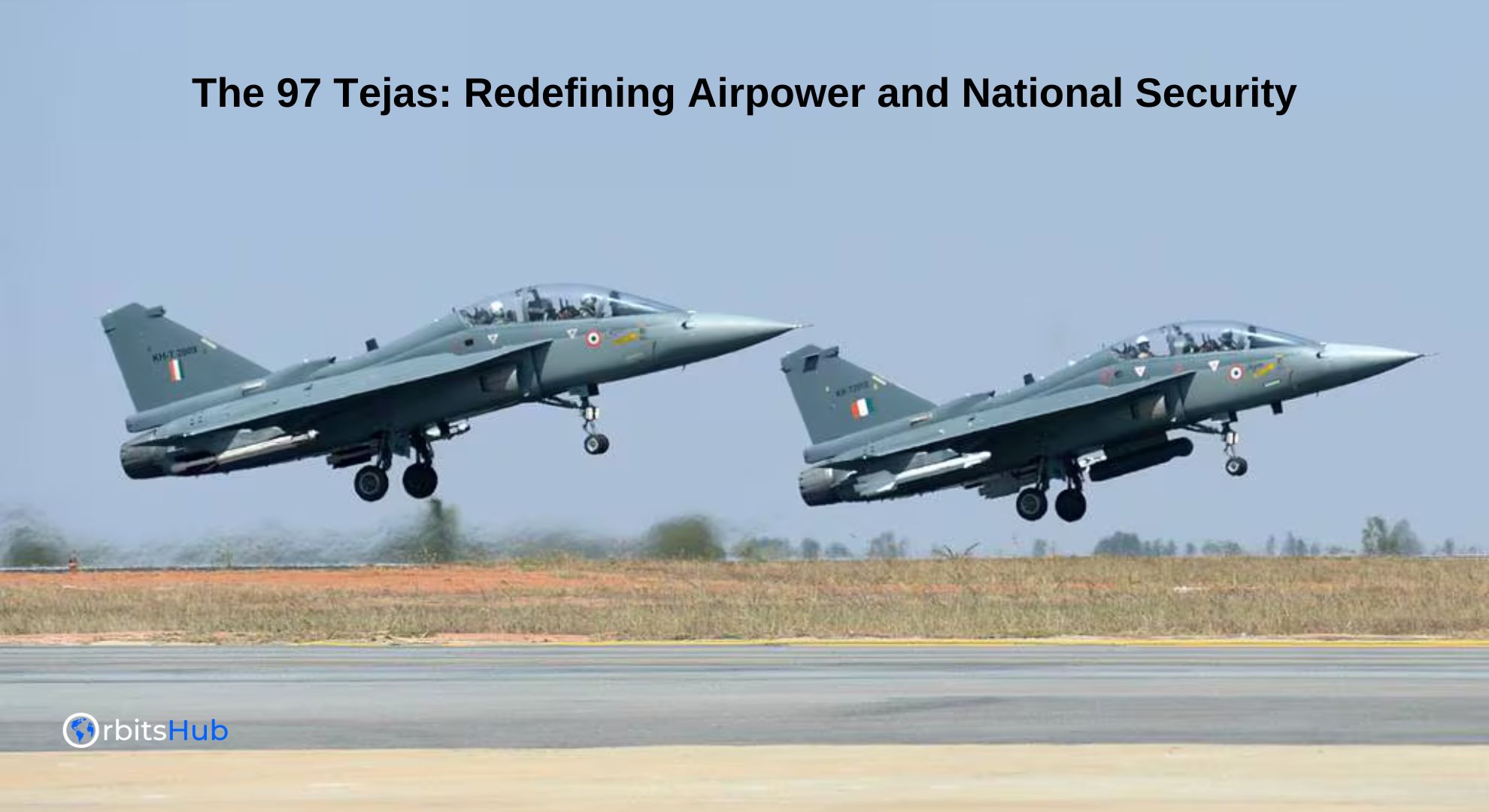
India’s skies are set to witness a surge in homegrown power with the acquisition of 97 Tejas Mk-1A Light Combat Aircraft (LCA) by the Indian Air Force (IAF). This landmark deal marks a significant step towards self-reliance in the crucial domain of national defence. Let’s delve deeper into how these new aircraft will redefine air superiority and bolster India’s security posture.
A Testament to Indigenous Strength
The Tejas aircraft programme is a shining example of India’s growing prowess in indigenous defence development. Hindustan Aeronautics Limited (HAL), India’s premier aeronautical agency, spearheaded the design and development of the Tejas. This project signifies India’s capability to design, develop, and manufacture combat aircraft, reducing dependence on foreign suppliers.
The Tejas Mk-1A boasts over 70% indigenous content, which is expected to rise further. This not only strengthens India’s strategic autonomy but also significantly boosts the domestic aerospace industry, fostering innovation and creating high-skilled jobs.
Maneuverability Meets Might: Capabilities of the Tejas Mk-1A
The Tejas Mk-1A is a single-engine, multi-role fighter jet designed for supreme agility and combat effectiveness. Here’s a glimpse into its key capabilities:
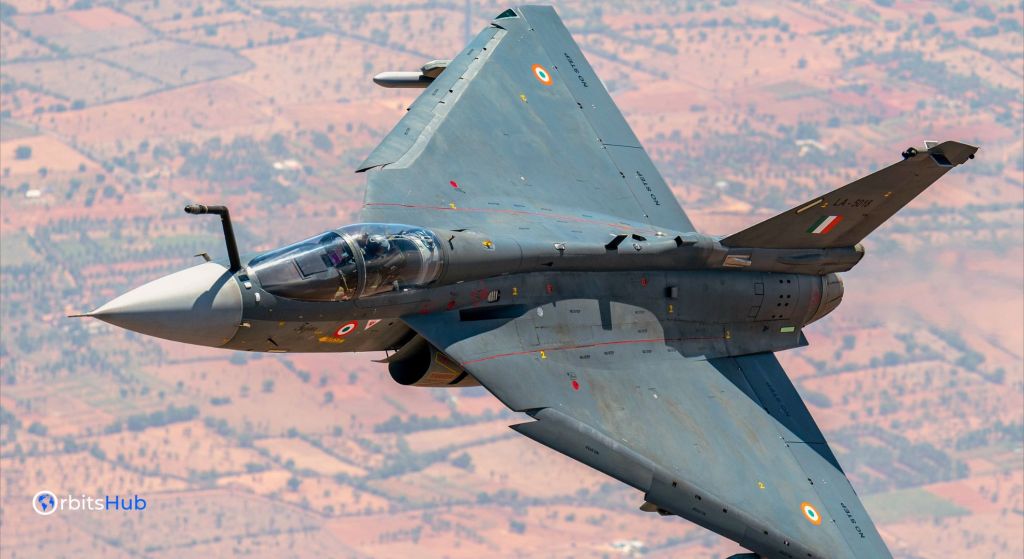
- Delta Wing Design: The Tejas Mk-1A incorporates a delta wing configuration, renowned for exceptional manoeuvrability and high-speed performance. This enables quick direction changes and tight manoeuvres for air warfare and opponent avoidance.
- Uttam AESA Radar: The aircraft has a cutting-edge Uttam Active Electronically Scanned Array (AESA) radar. This powerful radar offers superior detection and tracking range, enabling the Tejas to identify and engage targets with high precision, even in complex electronic warfare environments.
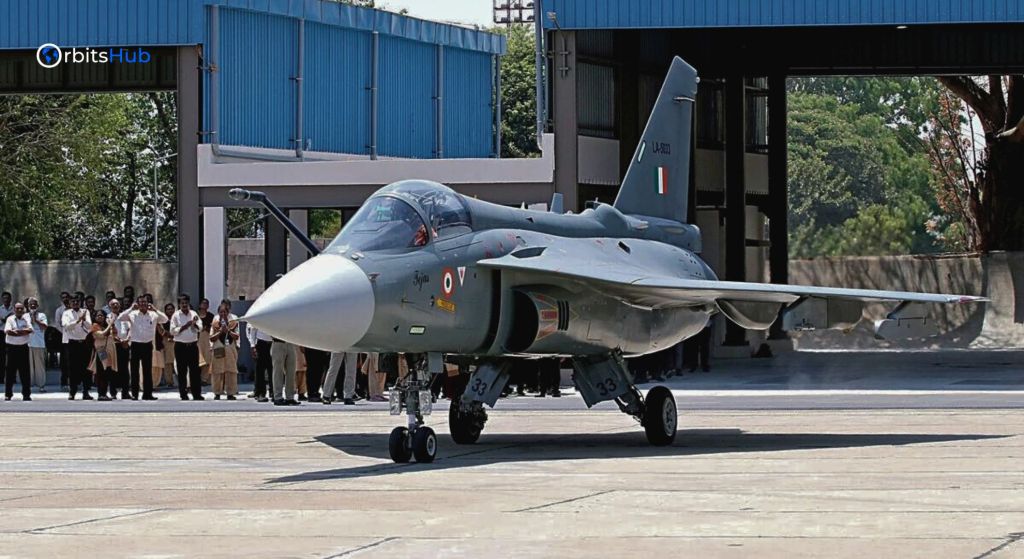
- Air-to-Air and Air-to-Surface Capability: The Tejas Mk-1A is armed with a potent air-to-air missile arsenal, allowing it to engage enemy aircraft effectively. It also possesses air-to-surface attack capabilities, making it a versatile platform for combat missions.
- Advanced Avionics: The Tejas Mk-1A has a modern glass cockpit, avionics, and mission systems. This translates to enhanced situational awareness for pilots, improved navigation accuracy, and seamless integration of weapons systems.
The Tejas Mk-1A presents a formidable combination of manoeuvrability, advanced radar technology, and potent weaponry, making it a valuable asset for the IAF.
Redefining Air Superiority: The Strategic Impact
The induction of 97 Tejas Mk-1A aircraft will significantly bolster India’s air defence capabilities. Here’s how these new jets will redefine air superiority in the region:
- Phasing Out Older Aircraft: The Tejas Mk-1A is slated to replace India’s ageing fleet of MiG-21s and MiG-27s. This modernization will ensure the IAF possesses a technologically advanced fighter jet fleet capable of taking on contemporary threats.
- Enhanced Deterrence: The number of Tejas aircraft inducted signifies India’s commitment to a robust air defence posture. This serves as a deterrent to potential adversaries, promoting regional stability.
- Strategic Flexibility: Air combat, patrolling, close air support, and reconnaissance are just a few missions the versatile Tejas Mk-1A can carry out. This strategic flexibility provides the IAF with broader options for safeguarding India’s territorial integrity.
The Tejas Mk-1A program represents a pivotal shift in India’s approach to air defence. It signifies a move towards self-reliance, equips the IAF with cutting-edge technology, and strengthens India’s position as a significant regional power.
The Tejas Mk-1A: A Beacon for Future Advancements
The Tejas Mk-1A program isn’t just about acquiring new aircraft; it’s a stepping stone for even more significant advancements in indigenous defence technology. Here’s how this program paves the way for the future:
- Technology Development and Innovation: The Tejas project developed several critical technologies within India, including advanced avionics, radar systems, and composite airframe materials. This knowledge base will serve as a springboard for developing even more sophisticated combat aircraft.
- Fostering a Self-Reliant Ecosystem: The Tejas program involved a vast network of Indian private companies and research institutions. This collaboration fosters a self-reliant ecosystem for indigenous defence manufacturing, reducing dependence on foreign suppliers and creating a skilled workforce for future projects.
- Export Potential: The Tejas Mk-1A’s success has the potential to open doors for future defence exports. As India refines its indigenous aircraft manufacturing capabilities, it could emerge as a strong contender in the international fighter jet market.
Soaring High with Indigenous Strength
The acquisition of 97 Tejas aircraft Mk-1A aircraft marks a watershed moment for India’s defence sector. It embodies the nation’s growing self-sufficiency in manufacturing sophisticated combat aircraft. With its advanced features and versatility, the Tejas Mk-1A promises to redefine air superiority for the IAF, ensuring a more secure future for India.
Are you considering venturing into the exciting world of maritime and aviation? OrbitsHub, a leading consultancy services company, can be your trusted partner. Explore orbitsHub.com to learn more about our comprehensive solutions.