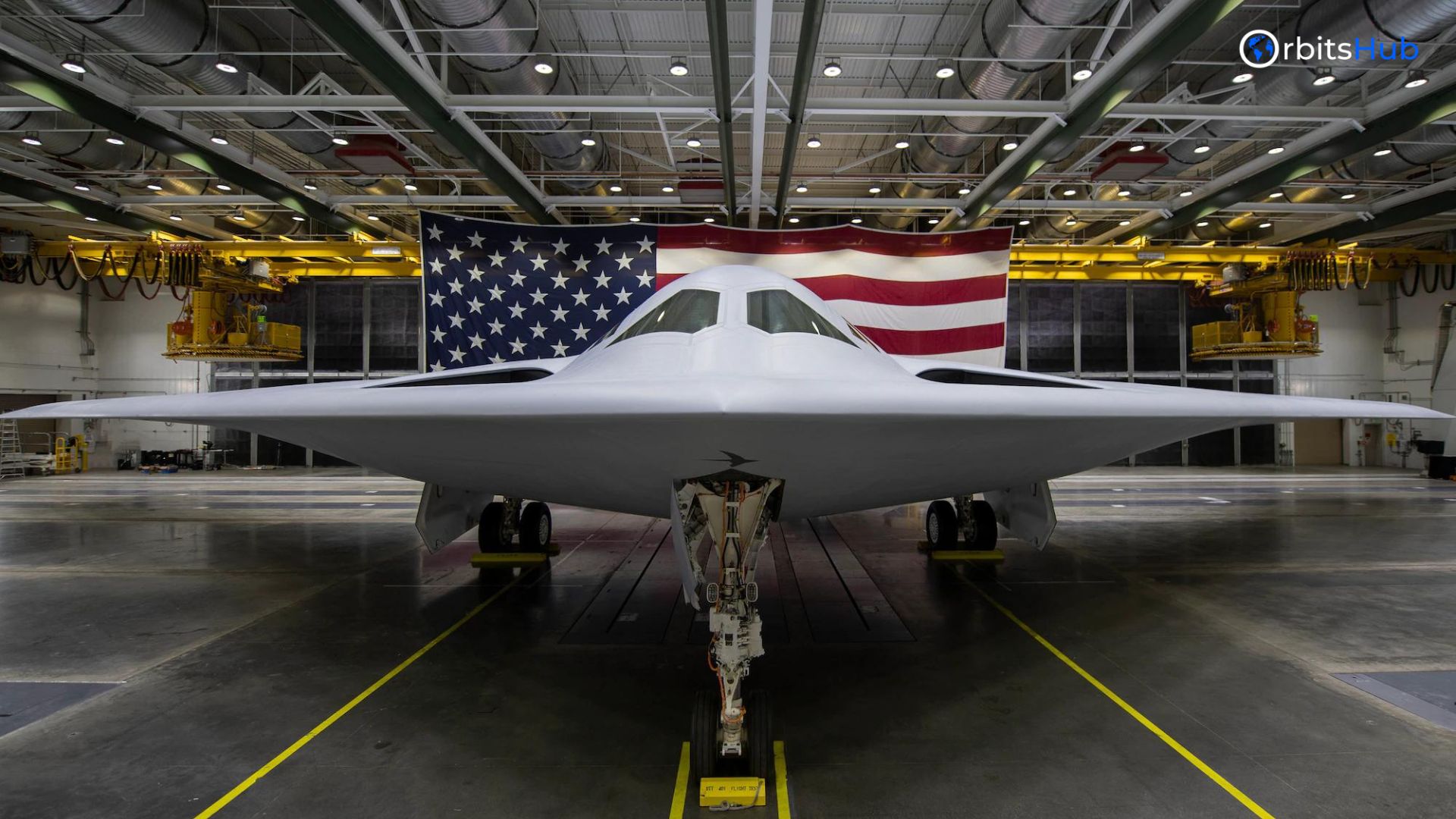
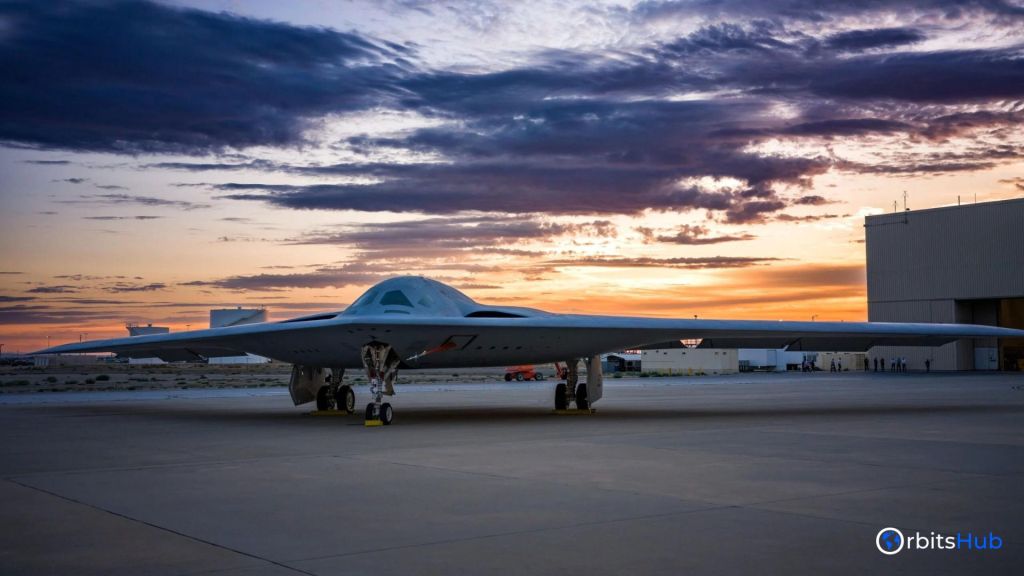
Aviation experts and military fans have been fascinated by reports of a secret revolutionary bomber for years. The Air Force’s next-gen strategic bomber, the B-21 Raider, has surfaced. This technological marvel might revolutionize the game by penetrating the most modern air defences and accurately delivering its cargo. We’ll examine the B-21 program’s challenges and other nations’ responses to this unique force multiplier. Finally, we will discuss how B-21 employs human expertise and how AI could improve it.
A Legacy of Power: The B-21 Raider’s Lineage
The B-21 Raider isn’t the first strategic bomber to bear the “Raider” name. It draws inspiration from the Doolittle Raiders, a group of daring U.S. Army Air Corps pilots who launched a surprise attack on mainland Japan during World War II. This act of courage and innovation serves as a fitting namesake for the B-21 Raider, a bomber designed to push the boundaries of aerial warfare.
The Cutting Edge: Unveiling the B-21’s Capabilities
While specific details about the B-21 remain classified, here’s what we do know based on official pronouncements and expert analysis:
- Unmatched Stealth: The B-21’s defining characteristic is its advanced stealth technology. This allows it to operate undetected by enemy radars, significantly increasing its survivability in contested airspace.
- Long-Range Strike: Designed for long-range missions, the B-21 can carry a heavy payload over vast distances, enabling it to strike targets anywhere in the world.
- Dual-Wielding Power: This bomber is built to deliver both conventional and thermonuclear weapons, providing the U.S. Air Force with unparalleled strategic flexibility.
- Artificial Intelligence Integration: Experts speculate that the B-21 might incorporate advanced artificial intelligence for tasks like threat detection, mission planning, and even autonomous flight operations.
The B-21 Raider: Shaping the Future of Warfare
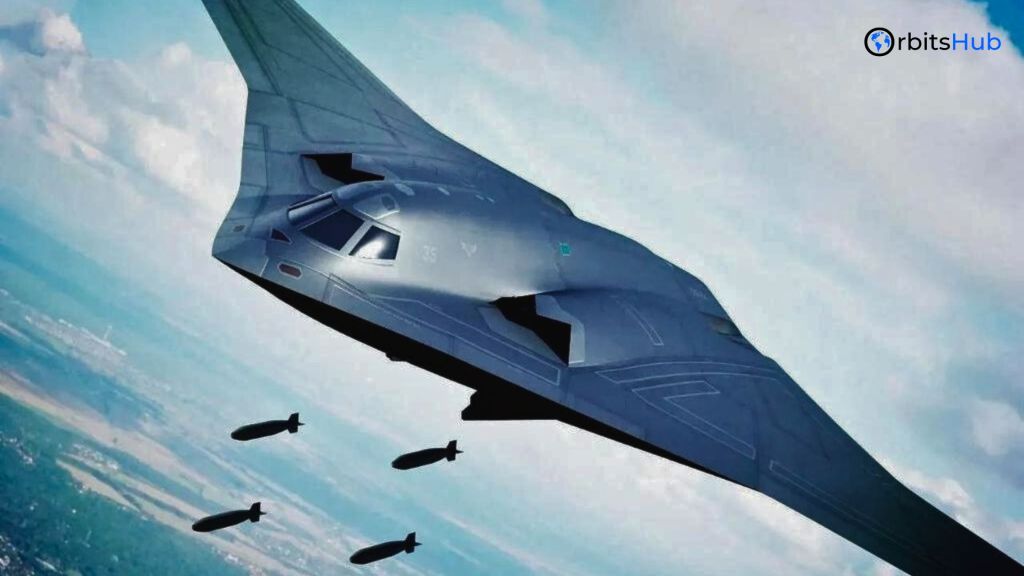
The B-21 Raider’s arrival has significant implications for global security:
- Maintaining Air Superiority: The B-21’s stealth and long-range capabilities ensure the U.S. retains a substantial edge in airpower, deterring potential adversaries from engaging in military adventurism.
- A Force Multiplier: The B-21 Raider can operate seamlessly alongside other aircraft, acting as a force multiplier and enhancing the effectiveness of joint military operations.
- Evolving Warfare: The B-21’s potential use of artificial intelligence opens doors to a new era of aerial combat, in which automation plays a more prominent role.
Challenges and Considerations: The Road Ahead for the B-21
This section can delve into the potential hurdles the B-21 program might face. Here are some talking points to consider:
- Cost and Development Time: The B-21 is a complex and expensive program. Discuss the potential challenges of staying within budget and meeting development timelines.
- Maintaining Stealth: Stealth technology requires constant upkeep and adaptation to counter evolving radar systems. Explore the ongoing efforts needed to maintain the B-21’s undetectability.
- Integration with Existing Systems: Successfully integrating the B-21 into existing Air Force operations and infrastructure is crucial. Discuss the potential logistical and technological challenges of achieving seamless integration.
The Global Response: How Other Nations Might Respond to the B-21
This section can analyze how other countries might react to the B-21’s presence:
- Deterrence vs. Escalation: Discuss how the B-21Raider capabilities might deter potential adversaries from conflict or lead to an arms race.
- Development of Countermeasures: Other nations might prioritize developing countermeasures to neutralize the B-21’s stealth advantage. Explore potential countermeasure technologies on the horizon.
- The Future of International Relations: The B-21’s arrival could influence how countries interact globally. Analyze how this new strategic bomber might affect international diplomacy and military alliances.
Beyond the B-21: A Look at the Future of Bombers
This section briefly explores the broader trends in bomber technology beyond the B-21.
- Focus on Unmanned Systems: Discuss the potential rise of unmanned bomber drones, their advantages and the ethical considerations surrounding their use.
- Hypersonic Missiles: Explore the development of hypersonic missiles and how they might influence the future role of bombers.
- Next-Generation Munitions: This section will discuss advancements in bomb technology, such as precision-guided and bunker-busting munitions, that could redefine bombing strategies.
The Human Element: The B-21 Crew and Mission Operations
This section can highlight the crucial role of the human element despite potential AI integration:
- Skilled Personnel: While automation plays a role, emphasize the need for highly trained pilots, mission commanders, and support personnel to ensure successful B-21 operations.
- Strategic Decision-Making: Despite AI assistance, human judgment remains paramount for crucial decisions regarding target selection, mission parameters, and potential rules of engagement.
- The Future of Aircrew Training: Discuss how pilot and crew training might need to adapt to integrate seamlessly with the B-21’s advanced systems.
The B-21 Raider represents a quantum leap in strategic bomber technology. Its advanced capabilities promise to reshape the global security landscape for decades. This next-generation bomber is a potent symbol of American airpower, deterring aggression and safeguarding national interests.
The complexities of modern aviation and maritime operations demand specialized knowledge and expertise. Orbitshub, a leading consultancy services company, offers comprehensive solutions for businesses and organizations navigating the ever-evolving aerospace and marine sectors.