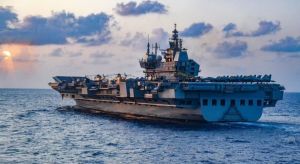
The vast expanse of oceans has always presented challenges for maritime navigation. However, with technological advancements, ship tracking has become an invaluable tool for enhancing safety, efficiency, and transparency in the marine industry. In essence, a ship tracker is a system that provides real-time information about the location, course, and speed of vessels at sea. This information is typically gathered through technologies like Automatic Identification Systems (AIS), satellites, and radar.
How Ship Trackers Benefit Maritime Navigation
Ship trackers offer a multitude of benefits for various stakeholders in the maritime industry, including:
Enhanced Safety: Ship Trackers
- Collision Avoidance: Real-time visibility of vessel movements allows mariners to identify potential collision risks and take timely evasive action, significantly reducing the chances of accidents at sea.
- Search and Rescue: In emergencies, ship trackers can pinpoint the location of distressed vessels, facilitating faster and more effective search and rescue operations.
- Improved Weather Monitoring: Ship tracking data can be combine with weather information to provide a comprehensive picture of maritime conditions, helping mariners make informed decisions and navigate safely through challenging weather patterns.
Increased Operational Efficiency: Ship Trackers

- Optimized Route Planning: Ship trackers enable the creation of more efficient routes based on real-time traffic information, weather conditions, and fuel consumption. This translates to reduced travel time, lower fuel costs, and improved overall operational efficiency.
- Port Congestion Management: By monitoring vessel movements approaching ports, authorities can anticipate and manage potential congestion, leading to smoother berthing and cargo handling operations.
- Improved Logistics and Supply Chain Management: Real-time visibility of cargo ships allows for better tracking of shipments, enabling logistics providers to optimize delivery schedules and improve overall supply chain efficiency.
Enhanced Transparency and Security:Ship Trackers
- Cargo Security and Loss Prevention: When cargo containers are track, their whereabouts and condition may be better understood, which aids in the prevention of theft, loss, and damage as they move through the supply chain.
- Maritime Regulations Compliance: Ship trackers can monitor and ensure compliance with maritime regulations, such as fishing quotas and restricted zones.
- Improved Maritime Domain Awareness: Ship tracking systems enhance maritime domain awareness by providing a comprehensive overview of marine activity, which is crucial for law enforcement and security agencies.
Types of Ship Trackers
- Automatic Identification System (AIS) Trackers: These trackers utilize AIS transponders on vessels to transmit and receive data, providing real-time information about a ship’s position, course, speed, and other vital details.
- Satellite-Based Trackers: These trackers leverage satellite technology to track vessels in remote areas beyond AIS coverage.
- Radar-Based Trackers: Radar systems can track vessels within their range, offering valuable coastal and port operations data.
Advanced Features of Ship Trackers
- Route Planning and Optimization: Ship trackers can be integrate with route planning software to create the most efficient and fuel-saving routes based on real-time traffic data, weather conditions, and other factors.
- Geofencing and Alerts: Virtual boundaries can be set around specific areas, and the system can trigger alerts when vessels enter or exit these zones, enhancing safety and security.
- Historical Data Analysis: Ship tracking data can be analyse to identify trends, patterns, and areas for improvement in vessel operations and fleet management.
The Future of Ship Tracking

- Integration with Artificial Intelligence (AI): AI can analyze ship tracking data in real-time, predict potential issues, and provide proactive recommendations for safer and more efficient navigation.
- Real-time Environmental Monitoring: Ship tracking systems increasingly incorporate environmental data like weather patterns and ocean currents, providing a more comprehensive picture of maritime conditions.
- Autonomous Navigation and Vessel Management: As technology advances, ship tracking is expect to play a crucial role in developing autonomous navigation and remote vessel management systems.
Ship trackers have changed the game for marine navigation by giving sailors access to previously inaccessible real-time data and insights. Ship trackers have several uses and advantages, including making shipping safer and more efficient and providing more security and transparency. An increasingly vital role for ship monitoring technology is anticipate in the ever-changing maritime industry, which aims to guarantee the secure, efficient, and environmentally friendly transportation of products and people throughout the globe.
Ready to Explore the Possibilities of Ship Tracking? OrbitsHub is a leading maritime and aviation consultancy company offering solutions, including ship tracking and marine domain awareness tools. With our assistance in utilizing ship monitoring technology, you can achieve optimal operations, improved safety, and a competitive advantage in the marine industry.