
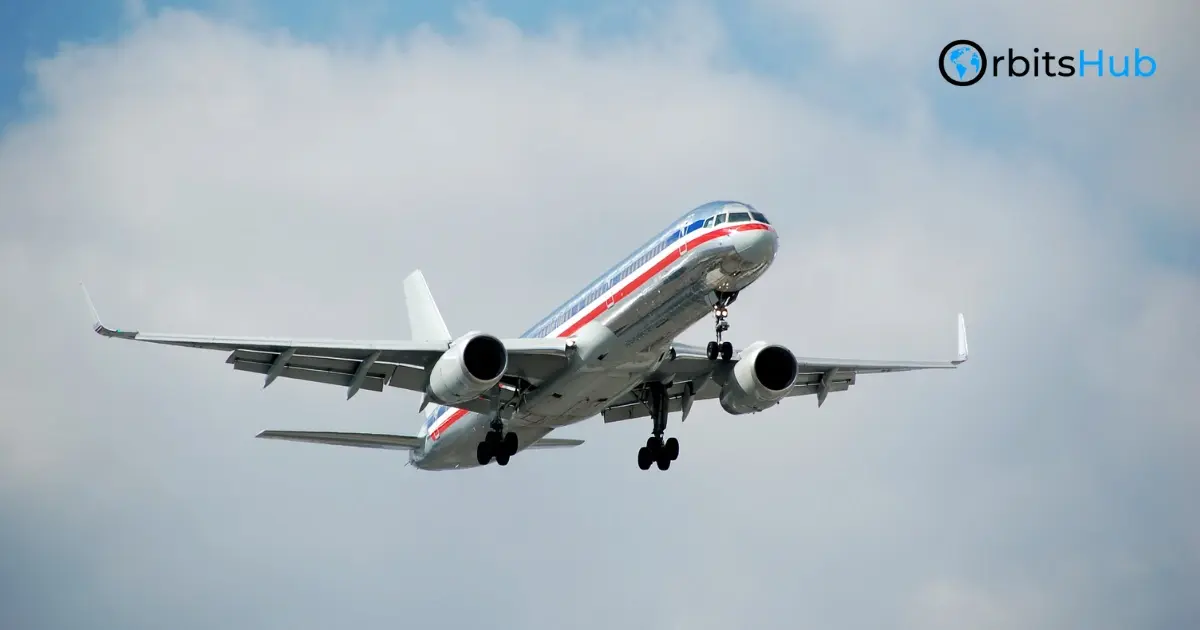
Few aircraft have earned the admiration and respect of pilots, passengers, and enthusiasts like the Boeing 757-200 in the vast skies of aviation history. Its story began with a need to replace an aging icon, the Boeing 727, and usher in a new era of commercial air travel. But little did anyone know that this aircraft would leave such a profound and lasting legacy. Could Boeing have imagined the impact this “giant in the skies” would have?
A Humble Beginning of Boeing 757-200
It was the early 1980s, and the aviation industry stood at a critical juncture. Technology was advancing rapidly, and airlines were searching for a new aircraft combining efficiency, versatility, and performance. Boeing stepped up to the challenge, driven by the vision to create something extraordinary. When the Boeing 757-200 soared into the sky on February 19, 1982, it wasn’t just another test flight—it was a glimpse into the future of aviation. Who would have thought that this flight marked the beginning of a game-changer? “This is the future,” some whispered as they watched it ascend.
Eastern Air Lines, proud and optimistic, introduced the 757-200 to the world on January 1, 1983. For Boeing, this moment wasn’t just about innovation but about redefining possibilities. Did they then know how many lives this aircraft would touch, how many journeys it would enable, and how many miles it would cover in the decades?
A Versatile Giant Takes Flight

As the Boeing 757-200 began its journey, it quickly became evident that this was no ordinary aircraft. Its versatility astonished airlines and passengers alike. Was it possible for a narrow-body jet to cover such vast distances? With a range of up to 3,915 nautical miles, the 757-200 proved it could. This aircraft was ready for anything, from short domestic routes to transcontinental flights.
Designed to seat up to 239 passengers, the 757-200 became a favorite for airlines operating short-haul and long-haul routes. And the engines—whether Rolls-Royce RB211 or Pratt & Whitney PW2000—were nothing short of powerhouses, offering the kind of takeoff performance that left everyone in awe. Could it be that a narrow-body jet could perform this well, even on short runways?
Its advanced avionics made the Boeing 757-200 even more remarkable. For the first time, airlines could eliminate the need for a flight engineer, thanks to the sleek two-crew glass cockpit. “It’s like something from the future,” some pilots said as they took their seats for the first time. The ease of flying the 757-200 made it not just efficient but revolutionary. How many more innovations could this aircraft inspire?
The Elite Owners of the Boeing 757-200
The Boeing 757-200 wasn’t just an airline favorite; it became the aircraft of choice for some of the world’s most notable figures. Donald Trump saw the potential in this magnificent jet and turned N757AF into a symbol of his brand. Lavish, powerful, and grand—this was no ordinary private plane. Could it be any other way?
But Trump wasn’t the only one. Mark Zuckerberg, with his privacy preference, also found the 757-200 the ideal transport, customizing N565MS to suit his needs. For Roman Abramovich, a man of immense wealth and influence, his P4-MES was more than just a plane—it was a flying palace. As people marveled at these luxury jets, one had to ask, “How could an aircraft that started as a commercial workhorse become such a symbol of personal prestige?”
Governments, too, saw the potential of the 757-200. The US Air Force employed two 757-200s for VIP transport, ensuring that the world’s most influential individuals traveled comfortably and safely. And NASA? They took N757NA and turned it into a tool for cutting-edge research. Could this aircraft be any more versatile?
Boeing 757-200: Distribution Among Different Owners and Operators
A Lasting Legacy
Though Boeing stopped producing the 757-200 in 2004, its impact was far from over. This aircraft had become more than just a tool for transportation—it had become a legend. Even today, 757-200s continue to fly, particularly in the cargo sector. Companies like DHL, FedEx,and UPS rely on these aircraft to move goods across the globe, proving that even after decades of service, the 757-200 remains as reliable as ever.
But the future is inevitable, and with it comes change. Newer models like the Boeing 737 MAX and Airbus A321neo have begun to replace the 757-200 in commercial fleets. These new planes promise better fuel efficiency and reduced emissions, but can they replace the 757-200 in the hearts of those who have flown here? “It’s hard to say goodbye, ” one airline executive remarked. Could any aircraft ever honestly fill the 757’s shoes?
The Future of Flight

The Boeing 757-200’s legacy will inspire innovation as aviation evolves. What lessons has it taught us about balancing efficiency, range, and performance? Aircraft designers today strive to build more eco-friendly and cost-efficient planes, but “How do you match the magic of the 757-200?” Its story reminds us that aviation is not just about flying—it’s about dreaming of new horizons, technologies, and possibilities.
The Legacy Lives On
The Boeing 757-200’s legacy will inspire innovation as aviation evolves. What lessons has it taught us about balancing efficiency, range, and performance? Aircraft designers today strive to build more eco-friendly and cost-efficient planes, but “How do you match the magic of the 757-200?” Its story reminds us that aviation is not just about flying—it’s about dreaming of new horizons, technologies, and possibilities.
Frequently asked questions
The Boeing 757-200 was favored for its versatility. It was capable of handling both short and long flights, seating up to 239 passengers, and having powerful engines and advanced avionics that lowered operational costs.
The 757-200 remains relevant due to its reliability, serving in cargo operations and VIP transport, even as newer aircraft models replace it in commercial fleets.


