

Discerning flyers seeking a flawless blend of performance, comfort, and efficiency in a private jet must look at the Cessna C 550. This remarkable mid-size business jet has carved a niche as a true game-changer and with good reason. Boasting an impressive range exceeding 1,800 nautical miles, the C 550 effortlessly connects distant cities, while its luxurious cabin and advanced avionics ensure a smooth, productive, and undeniably comfortable journey. However, the C 550’s capabilities extend far beyond basic transportation. Let’s delve deeper and explore why this exceptional aircraft continues to be a leader in private aviation.
Built for Business and Beyond Cessna C 550
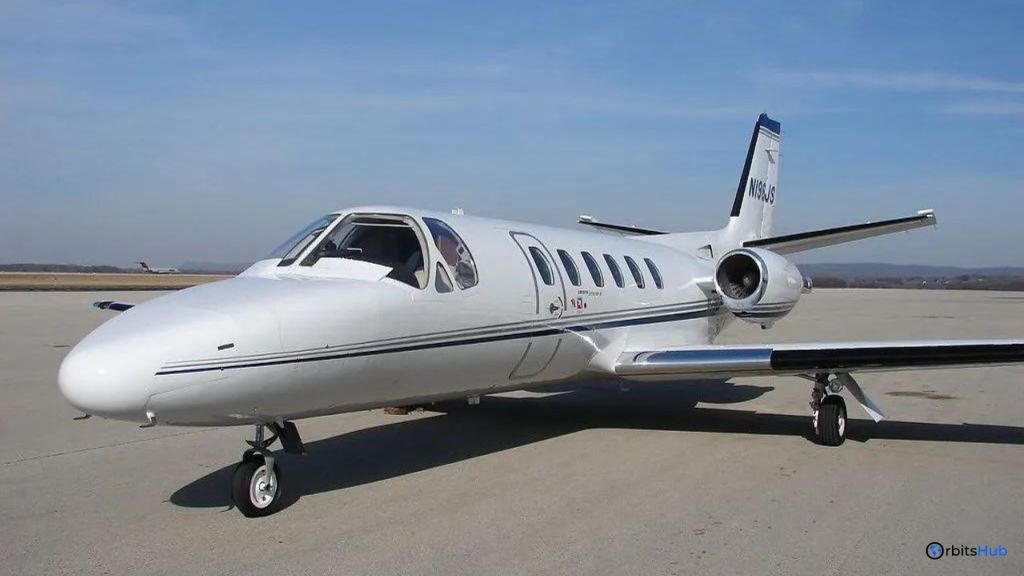
The Cessna C 550, also known as the Citation Bravo, is a twin-engine turbofan jet aircraft manufactured by Textron Aviation. Introduced in 1991, it quickly carved a niche in the competitive mid-size jet market. Here’s what makes the C 550 such a compelling choice:
- Impressive Range and Speed: With a maximum range exceeding 1,800 nautical miles (nm), the C 550 allows pilots to connect distant cities easily. Whether a quick hop to a neighboring state or a cross-country business trip, the C 550 gets you there efficiently. Additionally, the aircraft boasts a cruising speed exceeding 400 knots (kts), ensuring you arrive at your destination swiftly.
- Unmatched Cabin Comfort: Stepping inside the Cessna C 550 is akin to entering a luxurious private sanctuary. The spacious cabin comfortably seats up to eight passengers in a club-seating configuration, offering ample legroom and headroom. High-quality leather upholstery, plush carpeting, and abundant natural light create a serene and inviting environment. Whether catching up on work or enjoying the view, the C 550’s cabin provides the perfect haven for any journey.
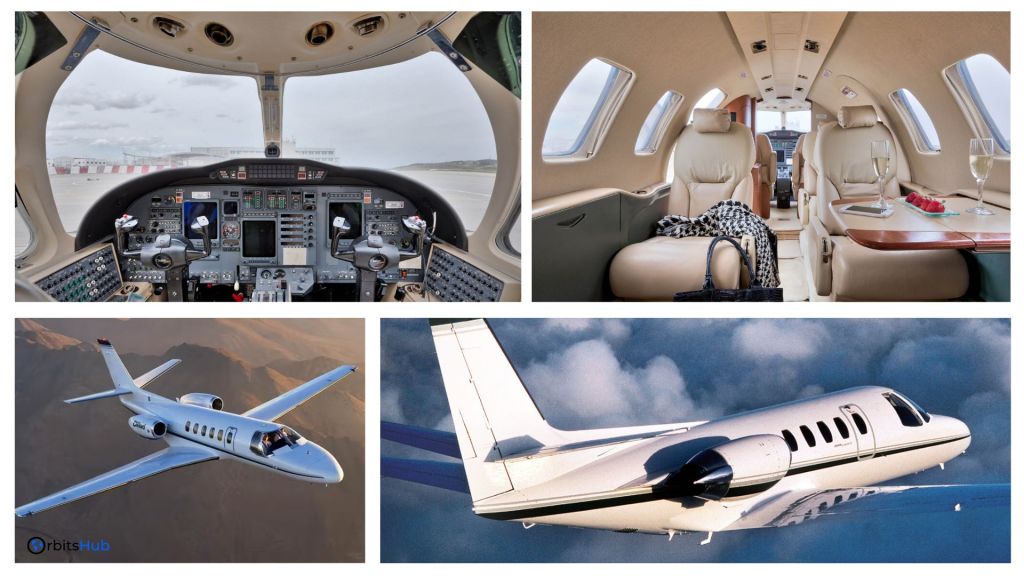
- Advanced Avionics and Safety Features: The C 550 has state-of-the-art avionics, ensuring a safe and intuitive flying experience. The advanced cockpit layout features integrated navigation and communication systems, offering pilots unparalleled situational awareness. Additionally, the aircraft incorporates several automated safety features, further enhancing flight safety and reducing pilot workload.
- Operational Efficiency: The C 550’s legendary gas mileage has made it famous. Businesses and individuals concerned about costs will find it appealing because of its cheaper running costs compared to its competitors. The aircraft’s efficient turbofan engines translate into reduced fuel burn, leading to lower overall operational expenses.
The Cessna C 550 Reveals Its Potential
The Cessna C 550’s capabilities extend far beyond basic point-to-point transportation. Here are some additional advantages it offers:
- Versatility for Various Missions: The C 550’s impressive range and payload capacity suit various missions. The aircraft adapts seamlessly to diverse needs, from business trips and leisure travel to medical evacuations and cargo transportation.
- Accessibility at Smaller Airports: Unlike larger jets requiring extensive runways, the C 550 can access smaller airports with shorter runways. This opens up a more comprehensive range of destinations, allowing you to land closer to your final point, saving valuable time.
- A Proven Track Record: The C 550 has been a mainstay in the private aviation sector for over three decades. Its robust design, reliability, and excellent safety record have earned it a reputation for excellence, making it a trusted choice for pilots and passengers alike.
Owning vs. Chartering a Cessna C550
This section can explore the pros and cons of owning versus chartering a C550. Discuss factors like:
- Cost Considerations: Compare the upfront cost of purchasing a C550 with the ongoing expenses of chartering flights, including hourly rates and additional fees.
- Utilization Rates: Analyze how frequently you plan to utilize the aircraft. If your flying needs are occasional, chartering might be more economical.
- Management and Maintenance: Owning a C550 involves managing hangar space, pilot training, routine maintenance, and unexpected repairs. Chartering removes these burdens.
- Tax Advantages: Briefly discuss potential tax benefits associated with owning a business jet, emphasizing the need for professional tax advice.
Financing Options for Acquiring a Cessna C550
This section can explore various financing options available for those considering purchasing a C550:
- Loan Options: Discuss traditional bank loans, exploring factors like loan terms, interest rates, and down payment requirements.
- Aircraft-Specific Financing: Introduce specialized lenders offering financing tailored explicitly for business jets, highlighting potential advantages like lower interest rates and flexible repayment structures
- Aircraft-Specific Financing: Introduce specialized lenders offering financing tailored explicitly for business jets, highlighting potential advantages like lower interest rates and flexible repayment structures
The Evolution of the Cessna C 550: From Concept to Reality
The Cessna C 550, also known as the Citation Bravo, represents a significant milestone in the evolution of business aviation. The journey from concept to reality involved numerous design iterations and technological advancements, resulting in a jet that combines performance, comfort, and efficiency.
- Initial Concept: Conceived in the late 1980s, the C 550 aimed to fill a gap in the mid-size jet market, focusing on enhanced range and cabin comfort.
- Development Phase: The design process integrated advanced aerodynamics and new materials to improve fuel efficiency and reduce operational costs.
- Introduction and Market Impact: Launched in 1991, the Citation Bravo quickly gained popularity for its reliability, impressive range, and luxurious cabin.
- Continuous Improvements: Over the years, Cessna has incorporated numerous upgrades, including modern avionics and enhanced safety features, ensuring the C 550 remains competitive in today’s market.
Comparing the C 550 to Other Mid-Size Business Jets
- Performance: The C 550 boasts a cruising speed of over 400 knots, making it one of the fastest jets in its class. Its range of 1,800 nautical miles also ensures long-distance travel without frequent refuelling stops.
- Cabin Comfort: Unlike many competitors, the C 550 offers a spacious cabin with high-quality leather seats, ample legroom, and a club-seating configuration, providing unmatched comfort for up to eight passengers.
- Operational Costs: The C 550’s efficient turbofan engines translate to lower fuel consumption, making operating more economical than other mid-size jets.
- Accessibility: Its ability to operate from shorter runways allows access to smaller airports, offering more travel flexibility than larger jets requiring longer runways.
Enhancing Productivity: In-Flight Connectivity and Amenities
The Cessna C 550 is designed to ensure passengers remain productive and comfortable throughout their journey. Here are some key features that enhance in-flight productivity:
- High-Speed Wi-Fi: The C 550 has high-speed internet, allowing passengers to stay connected, check emails, and conduct virtual meetings seamlessly.
- Entertainment Options: A state-of-the-art entertainment system provides various options for relaxation, including movies, music, and games, ensuring a pleasant flight experience.
- Workspace Configuration: The club-seating arrangement can be transformed into a workspace with fold-out tables, which are ideal for working on laptops or reviewing documents.
- Comfortable Seating: The luxurious leather seats are designed to provide ergonomic support, ensuring comfort during long flights and reducing fatigue.
Pilot Perspective: Flying the Cessna C 550

From a pilot’s perspective, the Cessna C 550 offers advanced technology and user-friendly features, making flying a joy.
- Advanced Avionics: The cockpit has integrated navigation and communication systems that enhance situational awareness and flight safety.
- Ease of Handling: The C 550’s design includes intuitive controls and automated systems that reduce pilot workload, allowing for a smoother and safer flying experience.
- Training and Support: Cessna provides comprehensive training programs for pilots, ensuring they are well-versed in operating the C550’s advanced systems.
- Reliability and Maintenance: The aircraft’s robust design and Cessna’s global support network ensure high reliability and easy access to maintenance services, minimizing downtime.
Sustainability in Aviation: How the C 550 Reduces Environmental Impact
In an era where sustainability is increasingly important, the Cessna C 550 stands out for its efforts to reduce environmental impact.
- Fuel Efficiency: The C 550’s turbofan engines are designed for optimal fuel efficiency, reducing carbon emissions per flight.
- Lightweight Materials: Using advanced, lightweight materials in the aircraft’s construction reduces overall weight, contributing to better fuel economy and lower emissions.
- Noise Reduction: Engine technology and design features help minimize noise pollution, making the C 550 quieter during takeoff and landing.
- Commitment to Innovation: In line with worldwide sustainability objectives and to lessen the aviation industry’s impact on the environment, Cessna maintains a heavy investment in R&D to improve the aircraft’s environmental efficiency.
The Cessna C 550 is a testament to innovation and performance in private jets. Its exceptional range, comfortable cabin, advanced features, and operational efficiency make it a compelling business and leisure travel option. The C 550 guarantees a pleasant, efficient, and stress-free flight for pilots of all skill levels.
Are you considering a career in maritime or aviation? OrbitsHub, a leading consultancy services company, can help you navigate the exciting world of marine and aviation. Contact them today to explore career opportunities and unlock your potential in these dynamic sectors!


Comment(01)