
Stealth aircraft are less detectable by radar, infrared, and other detection methods. They use a combination of advanced materials, shapes, and technologies to reduce their visibility and increase their survivability. Stealth aircraft have been a game-changer in modern warfare, giving the U.S. military an unmatched advantage over its adversaries. But how did stealth technology evolve from fiction to reality? And what are the challenges and opportunities for the future of stealth aircraft?
The Origins of Stealth Technology
The idea of making aircraft invisible to radar is a familiar one. It dates back to World War II when the Germans experimented with a transparent material called Cellon to cover some of their planes. However, this material was not very effective, and the project was abandoned1
The real breakthrough in stealth technology came in the 1970s when the U.S. government launched a secret program to develop aircraft that could evade Soviet air defenses. The program was led by Lockheed Martin’s Skunk Works, a division specializing in innovative and unconventional designs. The Skunk Works team used computer simulations and radar-absorbent materials to create a prototype stealth fighter, codenamed Have Blue. The first flight of Have Blue took place in 1977 and proved that stealth technology was feasible.
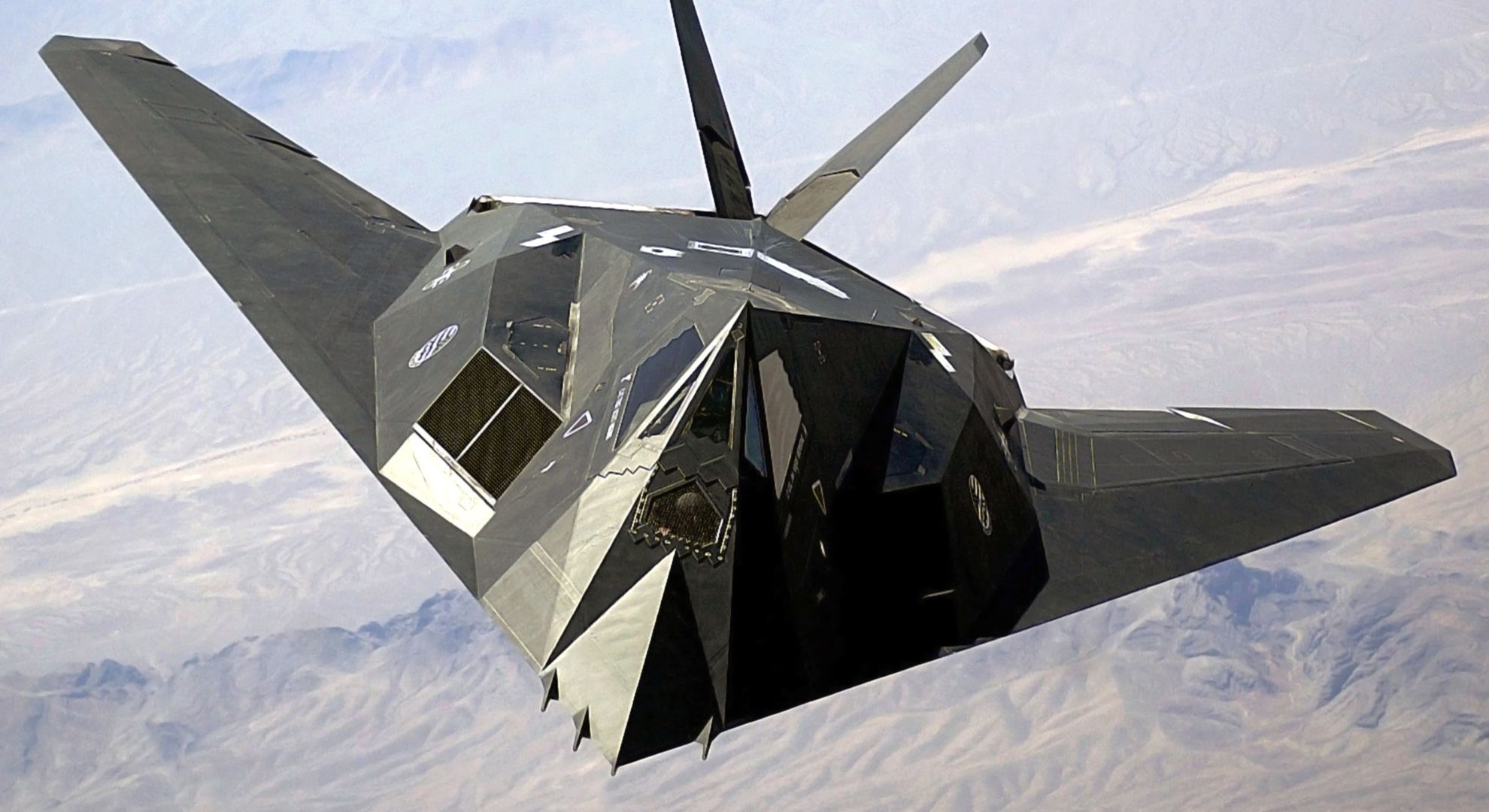
The success of Have Blue led to the development of the F-117 Nighthawk, the first operational stealth aircraft. The F-117 was a single-seat, twin-engine, ground-attack fighter with a distinctive angular shape and matte black paint. The F-117 was introduce in 1983 but remain classified until 1988. It made its combat debut in 1989, during the invasion of Panama, and later played a crucial role in the Gulf War of 1991, where it struck high-value targets with precision and impunity. The F-117 was retire in 2008 after 25 years of service.

The Development of Stealth Aircraft
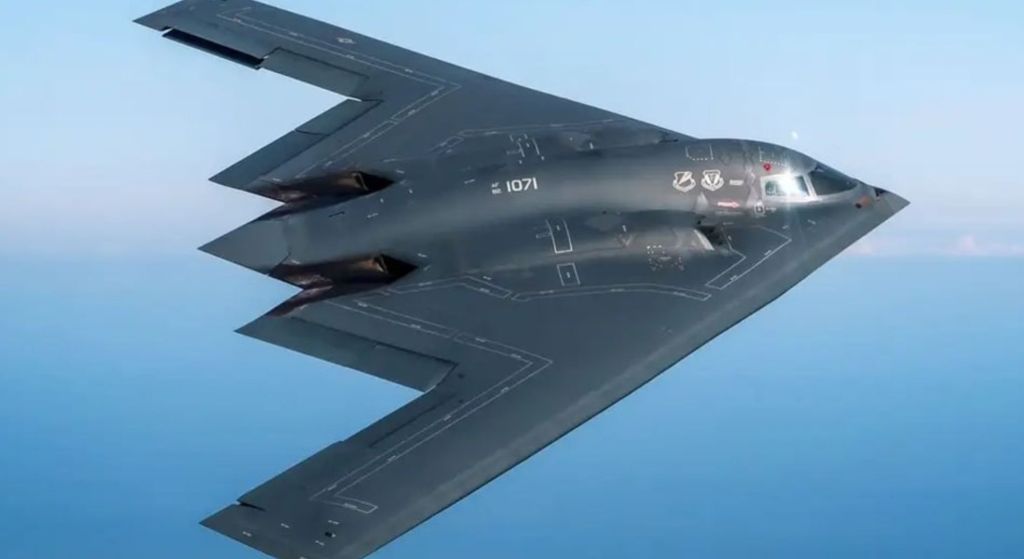
The F-117 was not the only stealth aircraft that the U.S. military developed. In parallel, another secret program was underway to create a stealth bomber, codenamed Advanced Technology Bomber (ATB). The ATB was designed to penetrate deep into enemy territory and deliver nuclear or conventional weapons. The ATB was revealed to the public in 1988 as the B-2 Spirit, a flying-wing aircraft with a smooth, curved shape and composite skin. The B-2 was introduced in 1997 and remains in service today. It has participated in several conflicts, such as the Kosovo War, the Iraq War, and the Libya intervention. The B-2 is capable of carrying up to 40,000 pounds of ordnance, including nuclear weapons
Another stealth aircraft emerged in the 1990s was the F-22 Raptor, a fifth-generation fighter that combined stealth, speed, agility, and advanced avionics. The F-22 was design to be the ultimate air superiority fighter, able to dominate any adversary. The F-22 was introduced in 2005 and is still considered the most advanced fighter aircraft in the world. It has a top speed of Mach 2.25, a range of 1,600 miles, and a suite of sensors and weapons that give it a first-look, first-shot, first-kill advantage. The F-22 has been deploy in several missions, such as the Syria intervention and the Afghanistan War. Supercruise, or the capacity to fly at supersonic speeds without using afterburners, is a capability only achieved by the F-22 stealth fighter.
The most recent stealth aircraft that entered service is the F-35 Lightning II, a multi-role fighter designed to replace several legacy aircraft, such as the F-16, the F/A-18, and the AV-8B. The F-35 is a joint project of the U.S. and several allies. It has three variants: the F-35A for conventional takeoff and landing, the F-35B for short and vertical landing, and the F-35C for carrier-based operations. The F-35 was introduce in 2015 and is expect to be the backbone of the U.S. and allied air forces for decades. Mach 1.6 is the maximum speed, range, and payload capacity of the F-35. It can fly 1,200 miles on a single tank of fuel. The F-35 also has a unique feature called the Distributed Aperture System (DAS), a network of cameras and sensors providing the pilot with 360-degree situational awareness.
Operational Impact and Strategic Considerations
- Discuss how the introduction of stealth aircraft such as the F-117, B-2, F-22, and F-35 has influenced military operations and strategic planning.
- Explore specific examples of how stealth technology has been utilized in various conflicts and operations, showcasing its effectiveness and impact on mission success.
- Analyze the role of stealth aircraft in shaping modern air warfare tactics, including their contributions to precision strikes, intelligence gathering, and air superiority.
Ethical and International Relations Implications
- Think about the military’s use of stealth technology and the ethical questions that arise from it.
- Discuss the international relations dynamics related to countries developing and acquiring stealth capabilities, including potential arms races and diplomatic tensions.
- Address concerns about the proliferation of stealth technology and its implications for global security, arms control agreements, and the balance of power among nations.
Stealth Aircraft Future
Stealth aircraft have proven their effectiveness and superiority in modern warfare but face some challenges and limitations. For one, stealth technology is not a magic cloak that makes aircraft invisible. Stealth aircraft are still detectable by some means, such as low-frequency radar, infrared sensors, visual observation, and acoustic signals. Moreover, stealth technology is not static. It is constantly evolving and improving and being challenge by new countermeasures and technologies. For example, some countries, such as Russia and China, have developed stealth aircraft, such as the Su-57 and the J-20, which could threaten the U.S. and its allies.
Therefore, the future of stealth aircraft will depend on how well they can adapt and innovate to maintain their edge and relevance. Some of the possible directions for the future of stealth aircraft include:
- It is developing new materials and coatings that can reduce aircraft’s radar, infrared, and acoustic signatures and protect them from electromagnetic pulses and laser weapons.
- AI and ML are integrate into stealth aircraft development and operations to improve autonomy, efficiency, and decision-making.
- Integrating stealth aircraft with space, cyber, and electronic warfare assets produces a seamless and synergistic network.
- Hypersonic, uncrewed aerial, and blend wing stealth aircraft are being investigate to improve speed, maneuverability, and stealth.
FAQ’s
1. What is a stealth aircraft?
A stealth aircraft is designed with features that reduce its visibility to radar, infrared, and other detection methods, making it difficult for enemy defenses to detect and track.
2. How does stealth technology work?
Stealth technology employs several techniques to lower an aircraft’s radar cross-section (RCS). These include designing the plane to redirect radar waves away from their source, using materials that absorb radar, and reducing engine heat and exhaust emissions to avoid infrared detection.
Stealth aircraft have come a long way from fiction to reality, revolutionizing the art of war. Their air superiority has allowed the U.S. and its allies to perform dangerous or impossible missions. However, stealth aircraft are not invincible or immortal. They must improve and collaborate with other military groups to survive and dominate. Stealth planes represent the beginning of aviation history.