Regarding human fascination with speed, few things capture our imagination quite like the fastest aircraft in the world. From fighter jets to experimental planes, these engineering marvels push the boundaries of what’s possible regarding velocity and performance. This article will embark on a thrilling journey through time, exploring the 15 fastest aircraft in the world ever created. So fasten your seatbelts and get ready to soar through the skies at mind-boggling speeds.
15. Mikoyan Gurevich MiG-23 Flogger
Our adventure begins with the Mikoyan Gurevich MiG-23 Flogger. Developed by the Soviet Union to respond to the F-14 Tomcat, this variable-sweep wing fighter aircraft reached a top speed of 1,553 mph or Mach 2.04. The MiG-23 may have been out of service for a while, but it was an important player in many wars in the ’80s and ’90s.
Evolution of Supersonic and Hypersonic Flight
- Early Milestones: The journey to supersonic and hypersonic flight began with the breaking of the sound barrier by the Bell X-1 in 1947.
- Supersonic Era: The development of supersonic jets like the Concorde and military aircraft like the F-15 demonstrated the potential of supersonic travel.
- Hypersonic Research: The X-15 program pushed the boundaries further, exploring speeds beyond Mach 5, setting the stage for modern hypersonic research.
- Challenges and Solutions: Overcoming intense heat and structural stress has been vital in advancing these technologies.
Future Prospects: Ongoing research aims to make hypersonic travel feasible for commercial and military applications, promising even faster and more efficient air travel.
Percentage Share of Top Speeds Among the Fastest Aircraft in the World
14. Sukhoi SU-27 Flanker
Next up is the Sukhoi SU-27 Flanker, an air superiority fighter known for its exceptional maneuverability. This fourth-generation fighter jet can reach up to 1,600 mph or Mach 2.08. Still in operation and production today, the SU-27 continues to impress with its versatility and performance.
The SU-27’s design incorporates advanced aerodynamics and robust engines, allowing it to execute high-G manoeuvres efficiently. Its strong airframe and avionics suite make it a formidable adversary in aerial combat scenarios. Renowned for its long-range capabilities and potent weaponry, the SU-27 remains a cornerstone of many air forces worldwide, ensuring its relevance on modern battlefields.
Experimental Aircraft: Pushing the Boundaries of Velocity
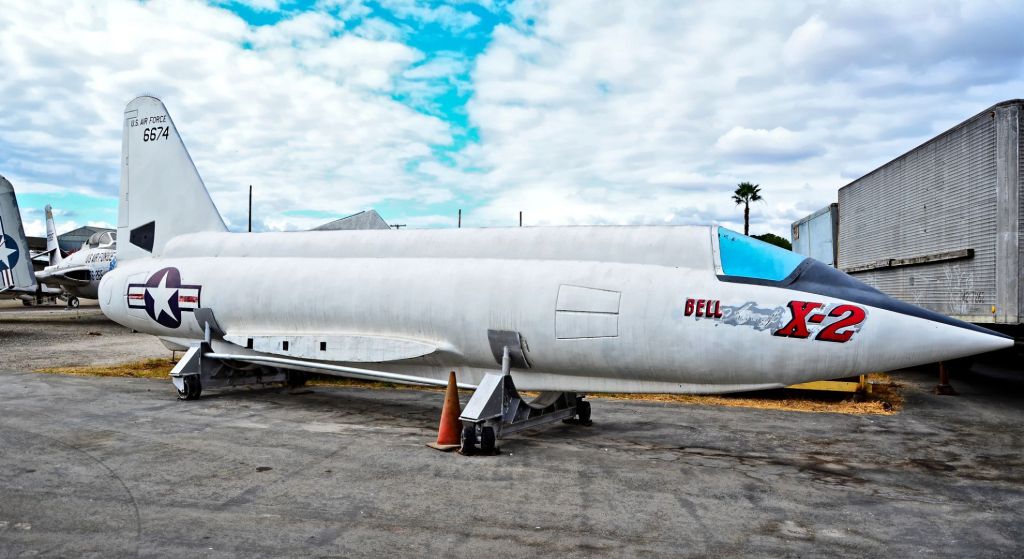
- Bell X-2 Starbuster: This rocket-powered aircraft provided valuable data on flight characteristics at high altitudes and speeds exceeding Mach 2.
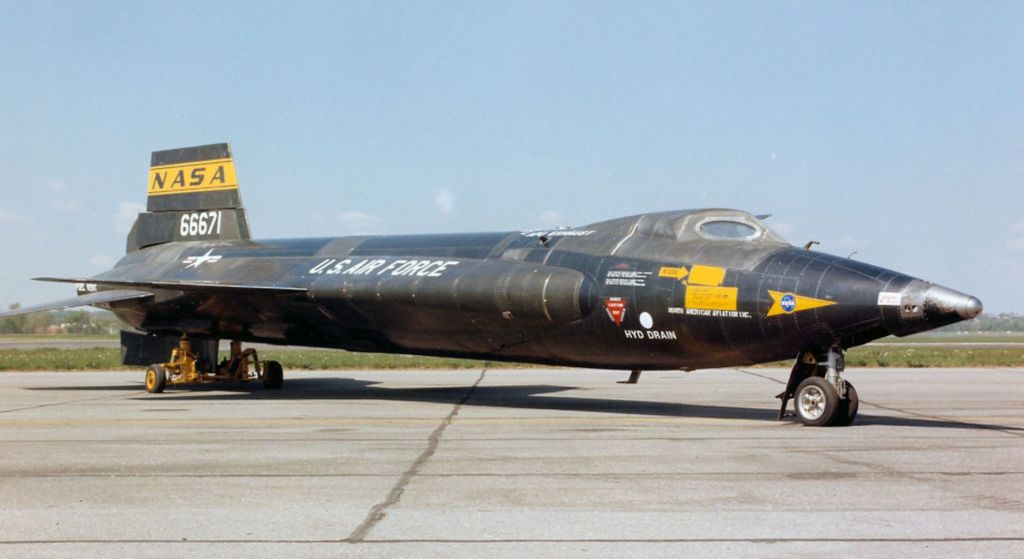
- North American X-15: The X-15 reached speeds of Mach 5.93, becoming the fastest aircraft ever and contributing significantly to our understanding of hypersonic flight.
- Lockheed YF-12: As a prototype interceptor, the YF-12 demonstrated capabilities near Mach 3, showcasing the potential for high-speed aerial combat.
- Unmanned Vehicles: Recent advancements include uncrewed hypersonic vehicles like the X-43, which have reached speeds over Mach 9.
Implications for Future Technology: Experimental aircraft provide critical data and insights that inform the development of next-generation air and space vehicles.
13. McDonnell Douglas F-4 Phantom II
The McDonnell Douglas F-4 Phantom II takes the 13th spot on our list. This iconic aircraft, produced between 1958 and 1981, was a long-range supersonic interceptor and fighter-bomber. Capable of reaching speeds of 1,606 mph or Mach 2.09, the F-4 Phantom II played a vital role in numerous conflicts, including the Vietnam War.
The Impact of High-Speed Aircraft on Modern Warfare
- Rapid Deployment: High-speed aircraft allow rapid deployment of troops and equipment, providing a strategic advantage in conflict situations.
- Precision Strikes: Faster aircraft can conduct precision strikes with minimal detection, reducing the enemy’s ability to respond.
- Surveillance and Reconnaissance: High-speed reconnaissance aircraft, such as the SR-71 Blackbird, have played a crucial role in intelligence gathering.
- Deterrence: The mere presence of high-speed aircraft can serve as a deterrent, signaling technological and military superiority.
Future Military Strategies: As technology advances, the role of high-speed aircraft will likely expand, incorporating stealth and hypersonic capabilities into broader defense strategies.
12. General Dynamics F-111 Aardvark
Moving on, we encounter the General Dynamics F-111 Aardvark, a multipurpose combat aircraft with impressive speed. With a top speed of 1,650 mph or Mach 2.15, the F-111 Aardvark excelled in ground attack, interdiction, strategic bombing, electronic warfare, and reconnaissance missions. Its extraordinary range and capabilities made it a US Strategic Air Command favorite.
Future Prospects: What’s Next in High-Speed Aviation?
- Commercial Hypersonic Travel: Companies are exploring the feasibility of commercial flights that could reduce transcontinental travel times to just a few hours.
- Space Tourism: High-speed technology is paving the way for space tourism, with companies developing aircraft capable of reaching the edge of space.
- Advanced Military Applications: Hypersonic missiles and aircraft are set to revolutionize military tactics, offering unprecedented speed and precision.
- Environmental Considerations: Research is ongoing to make high-speed travel more environmentally friendly, addressing fuel consumption and pollution.
Global Connectivity: As technology evolves, the potential for connecting the world at unprecedented speeds becomes increasingly realistic, promising a new era of global mobility and economic opportunity.
11. McDonnell Douglas F-15E Strike Eagle
The McDonnell Douglas F-15E Strike Eagle, known for its versatility and combat prowess, occupies the 11th spot on our list. This mighty aircraft, still in service today, reaches speeds of 1,650 mph or Mach 2.15. With its exceptional performance and range, the F-15E Strike Eagle played a crucial role in conflicts such as Operation Desert Storm.
Pioneering Pilots: The Brave Aviators Behind the Fastest Aircraft
- Test Pilots: Test pilots have been at the forefront, risking their lives to push the boundaries of speed and performance.
- Military Aviators: Skilled military aviators have demonstrated the tactical advantages of high-speed aircraft in combat situations.
- NASA Astronauts: NASA’s astronaut pilots have contributed to our understanding of high-speed flight through their work on experimental aircraft.
- Commercial Pioneers: Visionaries in commercial aviation are exploring high-speed travel for passenger flights.
- Legacy of Innovation: The courage and skill of these pilots have driven aviation technology forward, creating the fastest aircraft in history.
10. Mikoyan Gurevich Ye-166
Now, let’s dive into experimental aircraft with the Mikoyan Gurevich Ye-166. This remarkable plane achieved speeds of 1,665 mph or Mach 2.17. While it never entered full-scale production, the Ye-166 showcased the Soviet Union’s commitment to pushing the boundaries of speed and aviation technology.
9. Chengdu J-10 Firebird
Our journey through the fastest aircraft in the world brings us to the Chengdu J-10 Firebird, a Chinese multi-role fighter jet. With a top speed of 1,687 mph or Mach 2.21, the J-10 Firebird combines impressive speed with advanced avionics and maneuverability. It serves as a testament to China’s growing presence in the world of aviation.
8. Mikoyan Gurevich Ye-152 Flipper
Prepare to be amazed as we encounter the Mikoyan Gurevich Ye-152 Flipper. This experimental aircraft reached astonishing speeds of 1,700 mph or Mach 2.28. Although it never entered mass production, the Ye-152 Flipper was crucial in advancing Soviet aviation technology and pushing the possible limits.
7. Mikoyan Gurevich MiG-31 Foxhound
Next, we encounter the Mikoyan Gurevich MiG-31 Foxhound, an interceptor aircraft renowned for its speed and versatility. The MiG-31 Foxhound is still one of the world’s fastest aircraft, with a top speed of 1,900 mph (Mach 2.47). Its powerful engines and advanced radar systems make it a formidable presence in the skies.

6. North American XB-70 Valkyrie
Prepare for an awe-inspiring aircraft as we delve into the North American XB-70 Valkyrie. With a mind-boggling top speed of 2,056 mph or Mach 2.67, this supersonic bomber is a testament to human ingenuity and ambition. Although the XB-70 Valkyrie never entered full-scale production, its revolutionary design and cutting-edge technology still captivate aviation enthusiasts.
5. Bell X-2 Starbuster
Continuing our exploration of experimental aircraft, we encountered the Bell X-2 Starbuster. This rocket-powered research aircraft achieved speeds of 2,094 mph or Mach 2.72. Designed to explore flight characteristics in the Mach 2-3 range, the X-2 Starbuster contributed valuable data to developing future high-speed aircraft.
4. Mikoyan Gurevich MiG-25 Foxbat
Moving on, we encounter the Mikoyan Gurevich MiG-25 Foxbat, a surveillance and interceptor aircraft that left a lasting impact on the world of aviation. With a top speed of 2,190 mph or Mach 2.85, the MiG-25 Foxbat held multiple rate and altitude records during its service. Its powerful engines and advanced radar systems made it a formidable presence in the skies.
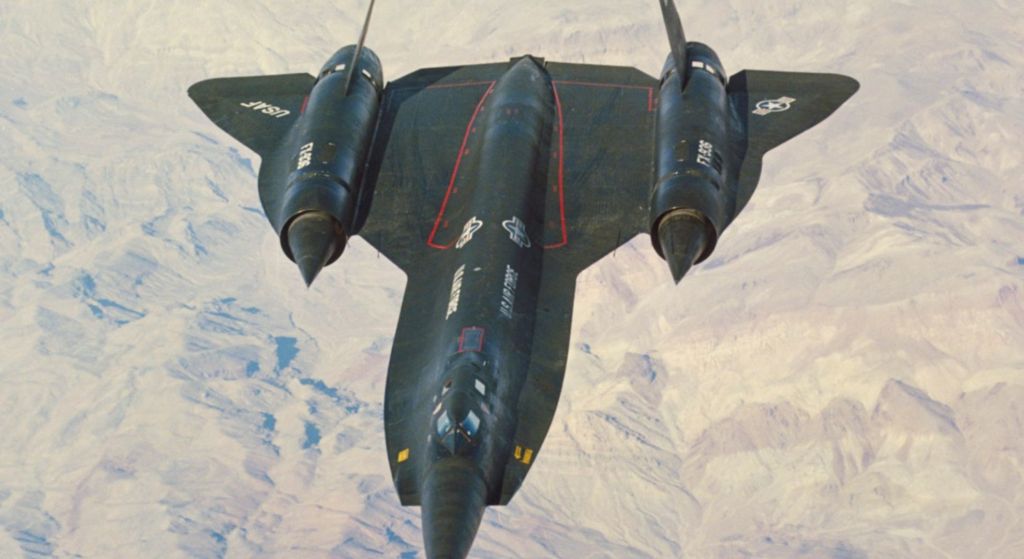
3. Lockheed YF-12
Prepare to be astonished as we delve into the Lockheed YF-12, a supersonic interceptor aircraft that pushed the boundaries of speed and technology. With a mind-boggling top speed of 2,274 mph or Mach 2.96, the YF-12 redefined what was possible regarding aerial performance. Although the YF-12 never entered production, its legacy as a high-speed marvel lives on.

2. Lockheed SR-71 Blackbird
Get ready for the second-fastest aircraft in the world, the legendary Lockheed SR-71 Blackbird. With its iconic design and unparalleled performance, the SR-71 reached speeds of 2,500 mph or Mach 3.28. This reconnaissance aircraft set numerous pace and altitude records and remains an enduring symbol of technological innovation and engineering excellence.
1. North American X-15
Finally, we reach the pinnacle of speed with the North American X-15, the fastest aircraft ever created. This rocket-powered aircraft achieved a mind-boggling top speed of 4,520 mph or Mach 5.93. Developed as part of a research program, the X-15 contributed invaluable data to advance supersonic and hypersonic flight. Its legacy as a groundbreaking aircraft continues to inspire future generations of aviators.
FAQ’s
What is the fastest aircraft in the world?
The Lockheed SR-71 Blackbird is currently considered the fastest aircraft in the world, reaching speeds of Mach 3.3.
What is the fastest airplane in the world?
The Lockheed SR-71 Blackbird is the fastest airplane in the world, capable of speeds up to Mach 3.3.
Which plane holds the record for the fastest speed?
The Lockheed SR-71 Blackbird holds the record for the fastest speed achieved by an aircraft, reaching Mach 3.3.
What is the world’s fastest plane?
The Lockheed SR-71 Blackbird is widely recognized as the world’s fastest plane, capable of reaching speeds of Mach 3.3.
What are the top four fastest aircraft in the world in 2023?
The top four fastest aircraft in the world in 2023 are the North American X-15, Lockheed SR-71 Blackbird, MiG-25 Foxbat, and Concorde.
Is the MiG-25 Foxbat one of the fastest aircraft in the world?
Yes, the MiG-25 Foxbat is considered one of the fastest aircraft in the world.
What are some other factors to consider in aviation besides speed?
Besides speed, other essential factors in aviation include safety, maneuverability, range, payload capacity, and fuel efficiency.
As our exhilarating journey through the fastest aircraft in the world ends, we are left in awe of the incredible engineering feats and technological advancements that have propelled humanity to new heights of speed. Each aircraft on this list represents a milestone in aviation history, from fighter jets to experimental planes. So, the next time you look up at the sky and see a plane streaking across the horizon, marvel at the incredible speed and innovation that allows us to defy gravity and explore the skies with unmatched velocity.