Military power has traditionally relied on air dominance. India has proudly monitored its huge airspace with massive Russian fighter jets for decades. Aviation technology evolves rapidly, requiring ongoing adaption. India is developing its India’s 5th-generation fighter aircraft, the Advanced Medium Combat Aircraft, to maintain its strategic edge and position as a global aerospace leader. This ambitious effort could redefine Indian aviation and regional security dynamics for the Indian Air Force (IAF). We’ll also discuss program problems and how international collaborations can help. You’ll comprehend how India’s 5th Gen fighter program will change its aerospace posture by the end of this exploration.
The AMCA Program: India’s 5th Generation Fighter
Advanced Medium Combat Aircraft (AMCA) is India’s 5th-generation fighter program. Developed by HAL and the Aeronautical Development Agency (ADA), it is expected to transform the Indian Air Force.
Why a 5th Gen Fighter?
The IAF currently operates a substantial fleet of 4th generation fighters like the Su-30MKI. So, why push for a 5th-generation aircraft? Here’s what makes 5th Gen fighters stand out:
- Stealth Technology: These aircraft are designed with a low radar cross-section (RCS), making them difficult for enemy radar systems to detect. This grants them a significant advantage in modern warfare.
- Supercruise Capability: 5th Gen fighters can fly supersonically without afterburners, allowing for sustained high speeds and greater fuel efficiency.
- Advanced Avionics: These jets have cutting-edge avionics suites that integrate sensor data, enhance pilot situational awareness, and facilitate complex manoeuvres.
By incorporating these features, the AMCA aims to provide the IAF with a technological leap forward, ensuring air superiority in future years.
Design and Development of the AMCA: India’s 5th Generation Fighter
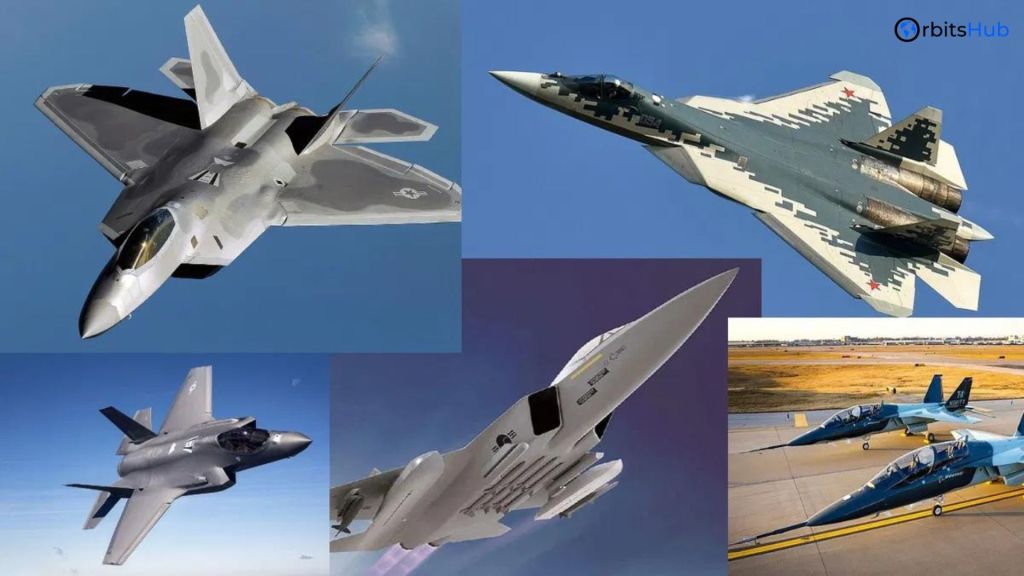
The AMCA program is still under development, but details released so far paint a picture of a formidable aircraft. Here’s a glimpse into what we know about the ACMA’s design philosophy:
- Twin-engine, single-seat configuration: This layout offers a good balance between performance and pilot workload.
- Diamond-shaped trapezoidal wings: This design combines agility and low radar observability.
- V-shaped tail configuration: This enhances stability and manoeuvrability.
The AMCA program is a two-phase approach. The initial Mk-1 variant will likely utilize proven foreign engines and avionics. The subsequent Mk-2 variant aims to integrate more indigenous technologies, including a more powerful engine with thrust vectoring capabilities for enhanced manoeuvrability.
The Road Ahead: Challenges and Opportunities
Developing a 5th Gen fighter is a challenging feat. Here are some of the challenges the AMCA program faces:
- Technical Complexity: Integrating cutting-edge technologies like stealth materials and advanced avionics requires significant expertise and resources.
- Engine Development: India aims to develop a powerful indigenous engine for the Mk-2 variant. This complicated project will require a lot of energy and resources.
- Project Management: A large-scale program can only succeed if carried out efficiently and on time.
Despite these challenges, the AMCA program presents exciting opportunities for India:
- Technological Advancement: Developing the AMCA will propel India to the forefront of indigenous fighter jet technology.
- Strategic Independence: A successful AMCA program reduces India’s reliance on foreign fighter jets, bolstering its strategic autonomy.
- Economic Benefits: The program has the potential to create high-skilled jobs and stimulate growth in the Indian aerospace sector.
India’s AMCA Program: A Global Collaboration
Developing a India’s 5th Generation Fighter is a mammoth undertaking, and only some nations possess all the necessary expertise and resources to do it alone. Collaboration is critical, and the AMCA program is no exception. Here’s how international partnerships play a role:
- Technology Transfer: India can collaborate with foreign companies to acquire critical technologies for the AMCA, such as advanced radar-absorbent materials or avionics systems. This can accelerate development and ensure the AMCA incorporates the latest advancements.
- Engine Development: As mentioned earlier, developing a powerful indigenous engine is complex. Partnering with foreign engine manufacturers for knowledge sharing and joint development can expedite this process.
- Manufacturing and Logistics: Collaboration with international companies can help establish efficient production lines and global supply chains for the AMCA program, ensuring timely delivery of components and minimizing delays.
Examples of potential collaborators include:
- French Safran Group: Safran is a leading manufacturer of jet engines, and collaborating with it could bolster India’s engine development efforts.
- Russian United Aircraft Corporation: Russia has a long history of collaborating with India on military projects. Their experience in fighter jet development could prove valuable.
- Israeli Aerospace Industries (IAI): IAI is known for its advanced avionics systems, and partnering with them could enhance the AMCA’s technological capabilities.
By strategically leveraging international partnerships, India can bridge any knowledge gaps and expedite the AMCA program, ensuring its success on a global stage.
The AMCA and Its Impact on Regional Security

The AMCA’s arrival will undoubtedly significantly impact regional security dynamics in South Asia. Here’s how:
- Deterrence: The AMCA’s advanced capabilities will be a strong deterrent against potential adversaries. Its stealth technology and superior air combat performance will make it a formidable regional force.
- Shifting Balance of Power: The AMCA program signifies India’s growing self-reliance in defence technology. This could shift the regional power balance, creating a more stable environment.
- Potential for Collaboration: The AMCA’s success could pave the way for future collaboration on defence projects between India and other regional powers. This regional cooperation could foster greater security and stability.
However, it’s important to acknowledge potential concerns:
- Arms Race: The AMCA’s adoption might spark an arms race in the region by prompting neighbouring countries to strengthen their air forces.
- Tensions with Neighbors: Both sides’ increased military capabilities could heighten tensions with neighbouring countries, potentially leading to regional instability.
India can mitigate these concerns by fostering open communication, promoting transparency regarding the AMCA program’s defensive nature, and working towards regional security cooperation.
India’s 5th Gen fighter program is a testament to the country’s ambition to become a self-reliant force in aviation technology. The AMCA, focusing on stealth, supercruise, and advanced avionics, promises to be a potent addition to the IAF’s arsenal. While challenges remain, the potential rewards – technological advancement, strategic independence, and economic growth – make the AMCA program a significant step towards securing India’s future in the skies.
Are you considering a career in the burgeoning Indian aviation sector? Or are you an entrepreneur looking for consultancy services in the maritime or aviation space? OrbitsHub.com, a leading consultancy firm, can help you navigate the exciting opportunities in these industries. Explore OrbitsHub.com to learn more!