
The Boeing CH-47 Chinook helicopter is an iconic aircraft that has been a cornerstone of military operations for over half a century. With its distinctive tandem rotor design, the Chinook has proven its versatility and reliability in various roles, from troop transport to medical evacuation and heavy lifting. As the world advances in technology and warfare strategies, What does the future hold for the Chinook helicopter? In this article, we’ll explore the potential developments, upgrades, and challenges that could shape the future of this legendary aircraft.
The Legacy of the Chinook Helicopter
The Chinook helicopter has a rich history, dating to its first flight in 1961. Designed initially for the U.S. Army, the Chinook quickly became a crucial asset in numerous military operations worldwide. Its ability to carry heavy loads, agility, and range made it indispensable in combat and humanitarian missions.
Over the decades, the Chinook has undergone several upgrades to enhance its performance and capabilities. The most recent CH-47F model boasts advanced avionics, improved engines, and increased payload capacity. Despite these advancements, the core design of the Chinook remains unchanged, a testament to the effectiveness of the original concept.
Technological Advancements and Upgrades
As we look to the future, technology is one of the most significant areas of development for the Chinook helicopter. Introducing new materials, avionics, and propulsion systems could enhance the helicopter’s performance and extend its operational life.
Advanced Avionics and Autonomy
One of the critical areas of focus is the integration of advanced avionics systems. Future upgrades include more sophisticated navigation systems, enhanced communication technologies, and improved situational awareness tools. These upgrades could make the Chinook more efficient and safer, particularly in complex and hostile environments.
Moreover, there is potential for incorporating autonomous or semi-autonomous capabilities into the Chinook. While full autonomy may still be years away, integrating advanced autopilot systems could reduce pilot workload and increase mission effectiveness. These systems could enable the Chinook to operate in more challenging conditions, such as low visibility or contested airspace.
Enhanced Propulsion Systems
Another critical area of development is the propulsion system. The current Chinook models are powered by twin turboshaft engines, which provide the necessary power for heavy lifting. However, advancements in engine technology could lead to more powerful and fuel-efficient engines in the future.
For instance, developing hybrid-electric propulsion systems could significantly reduce the Chinook’s fuel consumption and carbon footprint. These systems could also provide greater power, allowing the helicopter to carry even heavier loads or operate in more extreme environments.
Adaptation to Modern Warfare: Chinook Helicopter
As warfare evolves, so too must the equipment used by military forces. While already versatile, the Chinook helicopter may need to adapt to meet the demands of modern and future battlefields.
Multi Mission Capabilities
The future of the Chinook may also see it taking on a broader range of missions. As military operations become more complex, the need for versatile platforms that can perform multiple roles is increasing. The Chinook’s design lends itself well to this kind of adaptation.
Future variants of the Chinook could be equipped for specific missions, such as electronic warfare, intelligence gathering, or even unmanned aerial vehicle (UAV) deployment. Expanding its capabilities, the Chinook could continue to play a vital role in military operations, even as warfare changes.
Challenges Facing the Future of the Chinook
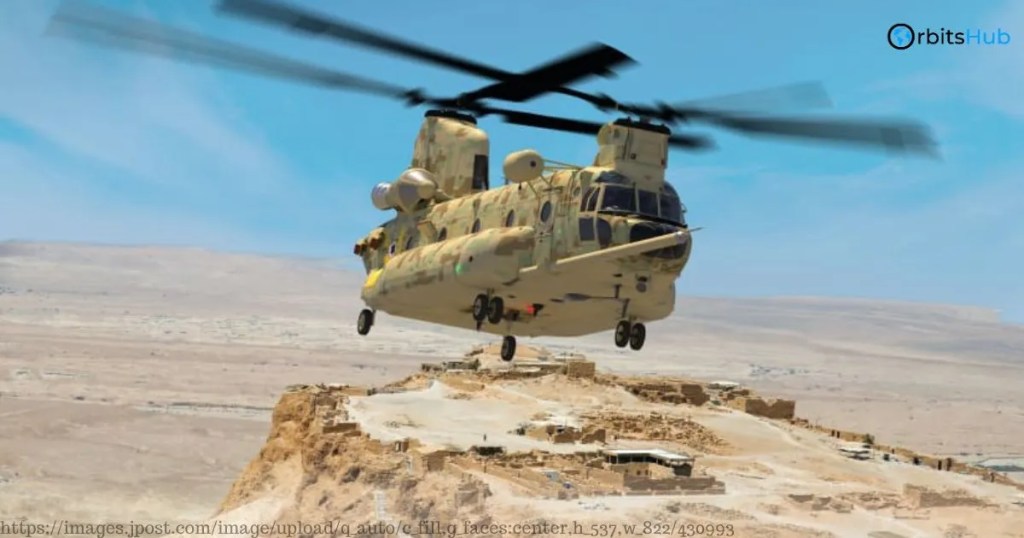
The Chinook chopper has a bright future ahead of it, but some problems need to be fixed before it can continue to be helpful.
Budget Constraints
One of the most significant challenges facing the future development of the Chinook is budget constraints. Military budgets worldwide are under increasing pressure, and funding for new technologies and upgrades can be limited. Balancing the need for modernization with the realities of budgetary limitations will be a crucial challenge for the future of the Chinook.
Competition from New Technologies
The Chinook helicopter is one of many platforms undergoing modernization. New technologies like tiltrotor aircraft and advanced UAVs are emerging as potential competitors. These platforms offer unique advantages, such as more incredible speed or reduced risk to human operators.
For the Chinook to remain competitive, it must continue to evolve and offer capabilities that these new technologies cannot. This may require significant investment in research and development to stay ahead of the curve.
The Role of International Collaboration
The future of the Chinook helicopter may also be shaped by international collaboration. The Chinook is used by several countries worldwide, and joint development efforts could lead to new advancements and capabilities.
Joint Development Programs
Several countries operate Chinook helicopters, including the United States, the United Kingdom, and Japan. Collaborative efforts between these nations could result in shared research and development programs, leading to cost savings and the acceleration of new technologies.
Joint development programs could also lead to standardized upgrades across all Chinook operators, making sharing resources easier and maintaining interoperability in coalition operations. This kind of collaboration could be vital in ensuring the Chinook remains a relevant and effective platform for decades.
Export Opportunities
As new variants of the Chinook are developed, there may be opportunities to export these aircraft to other nations. The Chinook’s reputation as a reliable and versatile platform makes it an attractive option for countries looking to modernize their helicopter fleets.
Expanding the Chinook’s presence in international markets could help offset development costs and ensure a steady demand for the helicopter in future years. However, this will require careful management of export policies and international relations.
The Chinook helicopter has been a stalwart of military operations for over 60 years, and its future looks bright as new technologies and capabilities are developed. However, the path ahead is challenging. Budget constraints, competition from emerging technologies, and environmental pressures all pose potential obstacles to the continued success of the Chinook.
Despite these challenges, the Chinook’s adaptability, proven track record, and potential for future upgrades make it likely that this iconic helicopter will continue to play a vital role in military operations worldwide. As we look to the future, the Chinook is poised to remain a cornerstone of military aviation, evolving to meet the demands of modern warfare and beyond.
As we consider the future of military aviation, the Chinook helicopter is a testament to the enduring value of versatile and reliable platforms. For more insights into aviation and maritime developments, consider exploring the services offered by Orbitshub. Whether you’re looking for consultancy on aviation or maritime projects, Orbitshub is your go-to resource for expert guidance and innovative solutions. Contact us today to learn how we can assist with your next venture in the ever-evolving military and civilian aviation landscape.