The world of military aviation has come a long way since the first powered flight by the Wright brothers. Today, advancements in aerospace technology are pushing the boundaries of speed, agility, and stealth. The race for the fastest military aircraft has garnered significant attention among these advancements. This article delves into the future of military aviation, focusing on the evolution and technologies that promise to shape the fastest military aircraft in the years to come.
Introduction to the Fastest Military Aircraft
Military planes are very important in today’s wars. These planes aren’t just made for battle; they’re also good for spying, having the upper hand in the air, and showing strength over long distances. As nations continue to invest heavily in defence technologies, the quest to build the fastest aircraft becomes more crucial. Speed is not just a measure of power but also of strategic advantage. An aircraft that can outrun threats, travel vast distances at incredible speeds, and adapt to new technologies is a weapon of immense value.
From the early supersonic jets to today’s hypersonic aircraft, the speed of military planes has evolved dramatically. Speed allows pilots to engage or disengage rapidly, evade enemy radar systems, and complete missions before the adversary has time to react. The future promises even faster and more advanced systems. But what does the future of the fastest military aircraft hold?
Current Fastest Military Aircraft

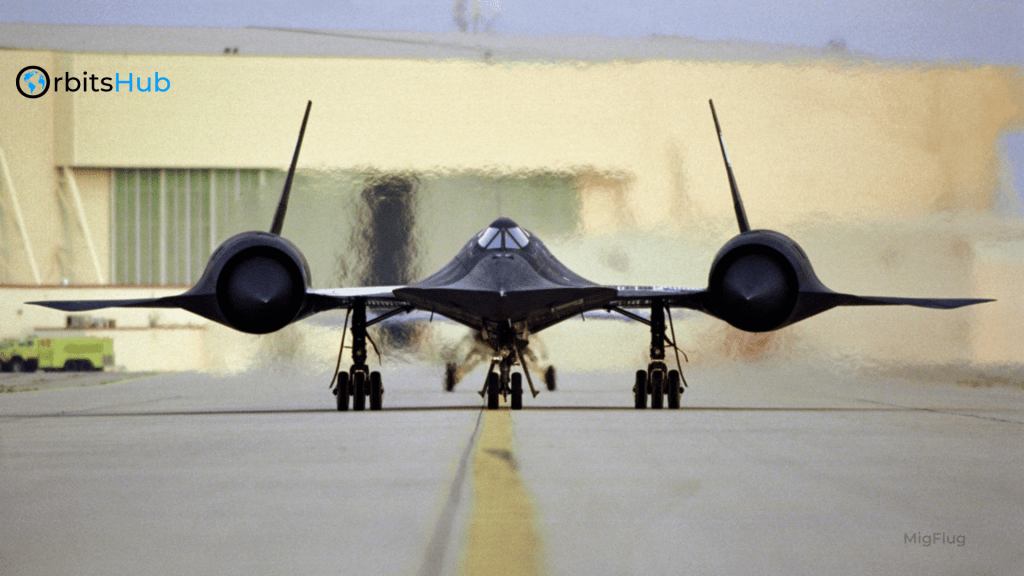
Before exploring the future, it’s important to reflect on the current fastest aircraft in the world. The title of the fastest military aircraft is held by the Lockheed SR-71 Blackbird, which, during its service, could reach speeds of over Mach 3.2 (approximately 2,193 miles per hour or 3,530 kilometres per hour). While the SR-71 was retired in 1998, its legacy in speed remains unmatched in the military aviation world.
However, the SR-71’s speed is now being eclipsed by newer technologies and aircraft models. These advancements, powered by cutting-edge materials, propulsion systems, and design innovations, are laying the groundwork for the next generation of high-speed military aircraft.
Hypersonic Technology: The New Frontier
The future of military aviation is not just about faster speeds—it’s about a whole new class of speeds. Hypersonic aircraft, which travel at speeds greater than Mach 5 (over 3,800 miles per hour or 6,100 kilometres per hour), represent the next leap forward in military aviation. These planes can fly higher than commercial jets, which lets them cover long distances in a lot less time than regular jets.
Several countries, including the United States, Russia, and China, are investing heavily in hypersonic aircraft. These planes promise not only incredible speed but also new capabilities, such as advanced manoeuvrability at high speeds, reducing the time between detection and interception.
Materials and Propulsion: Enabling Speed
The push toward faster military aircraft has led to significant innovations in materials and propulsion technologies. As aircraft reach higher speeds, they experience immense heat from air friction. At hypersonic speeds, temperatures can soar to thousands of degrees Fahrenheit, making conventional materials insufficient for the task.
To meet these challenges, engineers are turning to advanced composite materials and new alloys that can withstand extreme temperatures and pressures. One such material is carbon-carbon composites, which are capable of handling the thermal stress encountered at hypersonic speeds.
In addition to materials, propulsion technology is evolving rapidly. Scramjet engines are seen as the future of high-speed flight. Unlike conventional jet engines that rely on turbines, scramjets compress air entering the engine before igniting it, making them more efficient at speeds above Mach 5. This enables hypersonic aircraft to achieve incredible speeds without the need for massive fuel consumption.
Autonomous Systems: A Leap into the Future
As technology progresses, military aircraft are not just getting faster—they are also becoming more autonomous. Adding artificial intelligence (AI) and self-driving systems to military aeroplanes could change how the fastest military planes fly. These systems would allow aircraft to make real-time decisions based on incoming data, ensuring better performance in high-speed combat scenarios.
AI could also enhance the safety of high-speed flight by predicting and responding to potential malfunctions before they occur. Autonomous aircraft, capable of performing missions without human intervention, would be able to engage in high-speed missions that are currently too dangerous for pilots.
The Role of Speed in Modern Warfare
In the context of modern warfare, speed is not only about outrunning an enemy’s weapons but also about striking first. The faster an aircraft can reach its target, the less time the enemy has to mount a defence. Hypersonic weapons, which could be launched from these fast aircraft, are designed to strike with precision before adversaries have a chance to respond.
Moreover, faster aircraft will allow military forces to strike from greater distances. This reduces the risk to the pilot and crew, as well as the likelihood of interception by enemy forces. Hypersonic bombers and fighters, equipped with long-range strike capabilities, could alter the balance of power in the skies, giving nations with these technologies a significant advantage.
The Challenges Ahead
While the future of the fastest military aircraft looks promising, several challenges remain. First, the technology required to build hypersonic aircraft is still in its infancy. Many hurdles must be overcome, including refining propulsion systems, developing new materials, and addressing the immense heat generated at such high speeds.
Another challenge is cost. Hypersonic aircraft are expected to be extremely expensive to build and maintain. This could limit the number of countries able to develop and deploy these advanced systems, potentially creating an imbalance in global military power.
Finally, the development of countermeasures to intercept or neutralize hypersonic weapons poses another challenge. While hypersonic aircraft are faster and harder to track, nations are already working on systems to counteract these threats, including advanced missile defence systems capable of engaging at greater speeds.
Future Prospects: A New Era of Air Superiority
The future of the fastest military aircraft lies in the continued evolution of materials, propulsion, and autonomy. As these technologies mature, we can expect to see aircraft capable of reaching Mach 10 and beyond. These planes will revolutionize warfare, providing unmatched speed, precision, and strategic advantage.
Additionally, the integration of AI, machine learning, and autonomous systems will make military aircraft smarter and more capable of handling complex missions. Future aircraft may even be able to operate in coordination with drones, satellites, and other unmanned systems to deliver unprecedented capabilities on the battlefield.
The next decade will likely witness several breakthrough technologies, including hypersonic aircraft, that will redefine what it means to be fast in military aviation.
Frequently Asked Questions
1. What is the fastest military aircraft currently in service?
The fastest military aircraft currently in service is the Lockheed SR-71 Blackbird, capable of speeds exceeding Mach 3.2.
2. What is hypersonic technology?
Hypersonic technology refers to speeds greater than Mach 5 (over 3,800 miles per hour), allowing aircraft to travel faster and farther than traditional jets.