

Have you ever looked out at the endless sea and pondered the journey of a single banana to your neighbourhood supermarket or the arrival of a new pair of shoes from across the world? The answer lies in the colossal marvels of modern engineering – the world’s largest cargo ships. These behemoths dwarf even the most giant cruise liners, silently traversing the oceans like industry titans. They carry a mind-boggling amount of cargo, forming the backbone of global trade. We’ll also examine their environmental impact and the innovative solutions shaping the future of this crucial industry. So, buckle up and set sail with us as we navigate the fascinating world of the world’s largest cargo ships!
The Titans: Container Ships Rule the Waves
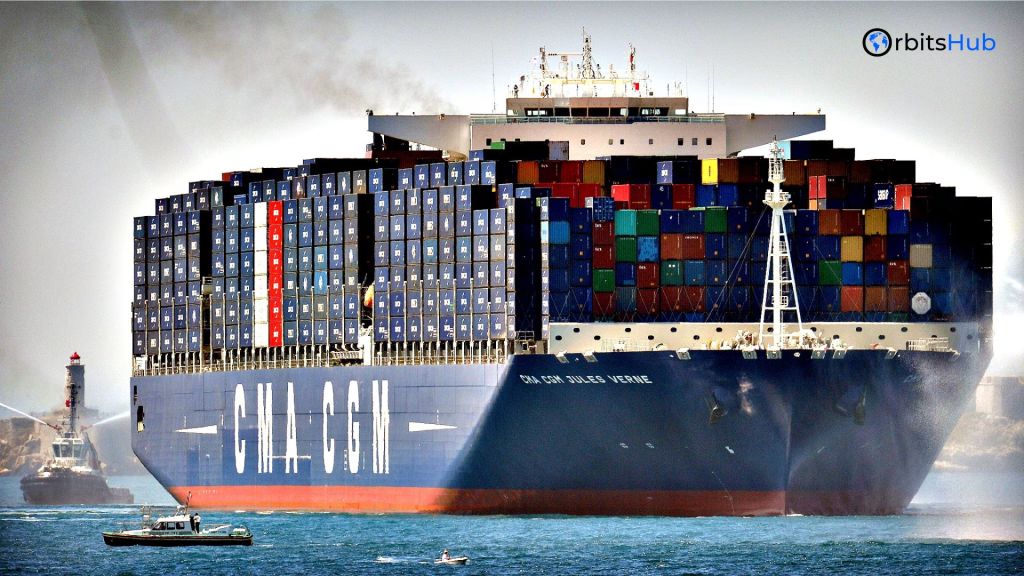
While there are various types of cargo ships, container ships reign supreme in size and capacity. These modern workhorses are designed to carry standardized shipping containers, those giant metal boxes you might see stacked on trucks. Each container, known as a Twenty-foot Equivalent Unit (TEU), can hold a staggering amount of cargo, making container ships incredibly efficient for transporting various goods.
How Big Are These Giants? World’s Largest Cargo Ships

Imagine a ship longer than four football fields laid end-to-end and almost as wide as a soccer field! That’s the scale we’re talking about. The current title holders for the largest container ships are the MSC Irina class, boasting a length of nearly 400 meters (1312 feet) and a width of 61 meters (201 feet). Their capacity? A whopping 24,346 TEU! To put that in perspective, that’s enough space to hold the contents of over 24,000 trucks!
The Inner Workings of a Cargo Giant: World’s Largest Cargo Ships
These leviathans are marvels of engineering, designed for efficiency and safety. Here’s a glimpse inside:
- Mighty Engines: Propelling these giants requires immense power. Modern container ships utilize massive two-stroke diesel engines capable of generating enough horsepower to rival a small town’s power plant.
- Stacking it High: Container ships are designed to stack containers several stories high, with special cranes on board for loading and unloading. Precise planning ensures optimal weight distribution and stability.
- Technological Marvels: Advanced navigation systems, weather tracking, and communication technologies keep these ships on course and connected even in the remotest stretches of the ocean.
- Crew Quarters: While these ships are incredibly automated, they still require a skilled crew to operate and maintain them. Modern container ships offer comfortable living quarters for the crew, ensuring their well-being on long voyages.
The Ever-Evolving Landscape of Cargo Giants
The race to build ever-larger cargo ships is constantly pushing boundaries. Shipbuilders are continually innovating and developing new technologies to increase efficiency and capacity while maintaining safety. Factors like fuel consumption, environmental impact, and port limitations are all considered when designing these behemoths.
The Environmental Impact of the World’s Largest Cargo Ships
While undeniably impressive feats of engineering, cargo ships contribute significantly to global air and water pollution. This section could discuss:
- Emissions: Explain how these massive engines generate significant amounts of sulfur (SOx) and nitrogen oxides (NOx), contributing to acid rain and respiratory issues.
- Ballast Water Discharge: Discuss the issue of ballast water, which is used to maintain ship stability and potentially contains invasive species that can disrupt marine ecosystems.
- Oil Spills: Briefly touch upon the potential for devastating oil spills from these large fuel-carrying vessels.
The Future of Cargo Shipping: Innovation and Sustainability
This section can explore how the industry strives for a greener future:
- Cleaner Fuels: Discuss the ongoing development of alternative fuels like Liquefied natural Gas (LNG) and even hydrogen to reduce emissions.
- Wind Power Integration: Consider the potential for using wind sails or rotors to supplement propulsion and reduce reliance on fossil fuels.
- Automated Navigation and Efficiency: Highlight how automation and route optimization advancements can reduce fuel consumption and emissions.
Beyond Container Ships: Exploring Other Cargo Ships
While container ships dominate, other cargo giants play crucial roles:
- Bulk Carriers: Discuss these behemoths for transporting loose cargo like iron ore, coal, and grain.
- Tankers: Explain the role of tankers in transporting vast quantities of liquid cargo, such as oil, liquefied natural gas (LNG), and chemicals.
- Roll-on/Roll-off (RoRo) Ships: Briefly mention these specialized vessels designed for wheeled cargo like cars and trucks.
The world’s largest cargo ships are the unsung heroes of globalization, silently shaping our world. However, their immense size comes with environmental challenges. The industry actively seeks solutions, with cleaner fuels, alternative propulsion methods, and automation leading the charge towards a more sustainable future. Beyond container ships, specialized giants like bulk carriers, tankers, and RoRo vessels handle a diverse range of cargo ships needs. To maintain the uninterrupted flow of products that connect our planet, these marine behemoths will adjust and develop as maritime shipping undergoes further change.
Are you curious about the ever-evolving world of maritime shipping and logistics? OrbitsHub, a leading marine and aviation consultancy services company, can help you navigate the industry’s complexities. Contact OrbitsHub today to explore how their expertise can benefit your business.



Comment(01)