
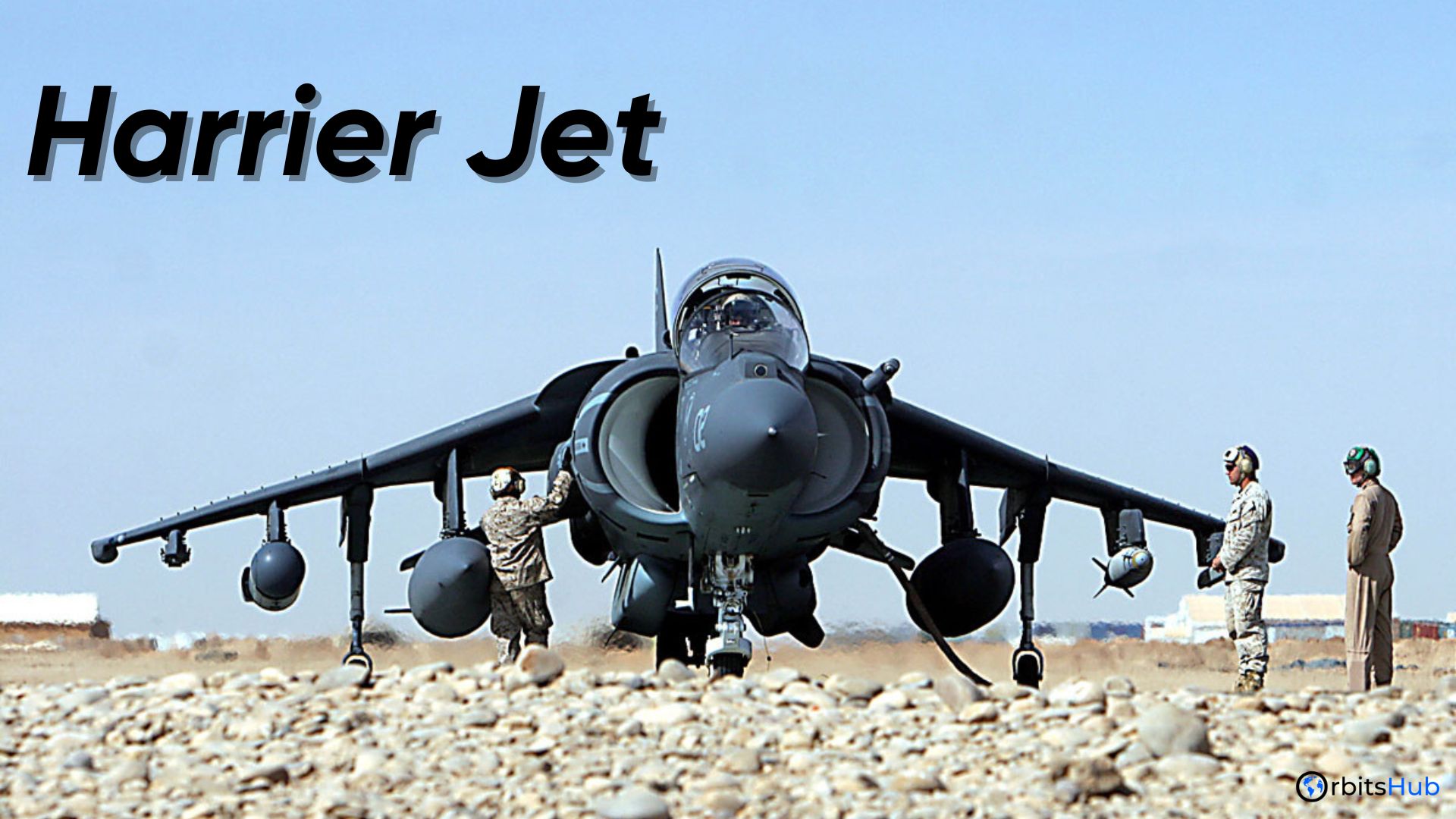
The world of jet fighters is fascinating, filled with marvels of engineering capable of pushing the boundaries of flight. But even amongst these exceptional machines, the Harrier Jet stands out as a true game-changer. With its unique ability to perform Vertical Takeoff and Landing (VTOL), the Harrier revolutionized military aviation tactics and deployment strategies.
A Brief History of the Harrier Jet
The Harrier concept emerged in the early 1950s, driven by the need for a jet fighter that wouldn’t require long runways for takeoff and landing. This would allow for greater operational flexibility, particularly for airforces lacking extensive airbase infrastructure.
The first successful VTOL jet prototype, the Hawker Siddeley P.1127, took flight in 1960. This paved the way for developing the first operational Harrier, the Harrier GR.1, which entered service with the Royal Air Force in 1966. The Harrier series went on to see several variants, each incorporating advancements in engine technology, avionics, and weapon systems.
What Makes the Harrier Jet Special?
The heart of the Harrier’s uniqueness lies in its VTOL capability. Unlike conventional jets that require a runway for takeoff and landing, the Harrier can take off and land vertically, much like a helicopter. This is achieve through a revolutionary engine design called the Pegasus engine.
The Pegasus engine features rotatable nozzles that can be direct downwards during takeoff and landing. This downward thrust allows the Harrier to lift straight off the ground like a rocket. Once airborne, the nozzles can be swiveled forward, converting the thrust into forward motion for regular jet flight.
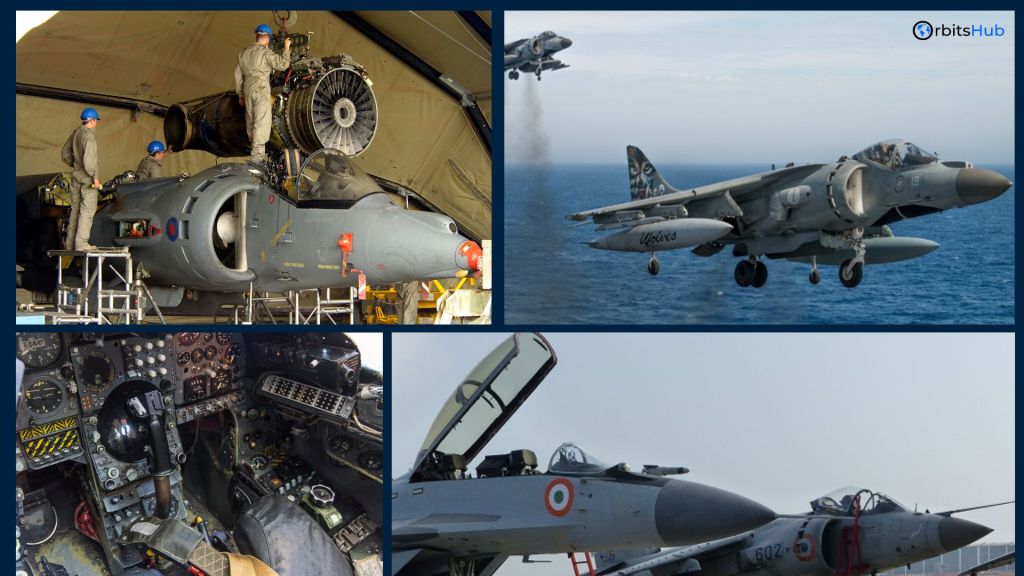
This VTOL capability offers several advantages:
- Operational Flexibility: The Harrier jet can operate from various locations, including makeshift airstrips, small clearings, and ships with minimal landing platforms. This eliminates dependence on large airbases, allowing quicker deployment and response times in critical situations.
- Surprise Attack Capability: The Harrier’s ability to take off and land vertically enables it to launch surprise attacks from unexpected locations, taking the enemy by surprise.
- Battlefield Support: Harriers can provide close air support to troops on the ground, operating closer to the battlefield due to their flexible deployment options.
The Harrier’s Impact on Military Aviation
The introduction of the Harrier jet marked a significant shift in military aviation strategy. It allowed airforces to project power more effectively, particularly in remote locations or during conflicts with limited traditional airbase infrastructure. The Harrier’s VTOL capability proved invaluable in numerous disputes, including the Falklands and Gulf Wars.
Here are some of the ways the Harrier impact military aviation:
- Changed Deployment Strategies: The Harrier facilitated the concept of “dispersed basing,” where aircraft could be spread across multiple locations, making them less vulnerable to enemy attacks.
- Enhanced Amphibious Operations: The Harrier’s ability to operate from ships like aircraft carriers significantly boosted naval forces’ capabilities.
- New Tactics for Close Air Support: The Harrier’s ability to take off and land closer to the battlefield revolutionized close air support tactics, providing more responsive air cover for ground troops.
The Legacy of the Harrier Jump Jet
While the Harrier series is no longer in active production, its legacy continues to influence modern military aviation. The concept of VTOL jets continues to be explored, with newer technologies paving the way for potential future VTOL fighter aircraft. The Harrier’s impact goes beyond just its technical capabilities. It demonstrated the power of innovation and the potential for a single aircraft design to reshape how airpower is employed on the battlefield.
Variants of the Harrier Jet: A Legacy of Innovation

This section can go into further detail about the various Harrier Jet iterations and show how they improved on the advantages of their predecessors. You could discuss:
- Harrier GR.1/GR.3/Sea Harrier: The first operational variants, their role in the Falklands War, and their ground attack capabilities.
- AV-8B Harrier II: The variant adopted by the US Marine Corps, its avionics, and weapons systems advancements.
- Harrier GR.7/Harrier II Plus: Later variants with improved engines, targeting systems, and overall performance.
Beyond Military Use: The Harrier’s Civilian Applications (if any)
This section can explore the potential civilian applications of the Harrier technology, even if limited. You could discuss:
- Search and Rescue Operations: The Harrier’s VTOL capability could be beneficial for accessing remote areas during rescue missions (although it is not its primary function).
- Disaster Relief: The ability to land in makeshift areas could help deliver aid in disaster zones (theoretical application).
- Future Possibilities: Briefly mention ongoing research into civilian VTOL technologies inspired by the Harrier concept.
The Harrier Jet is a testament to human ingenuity and its ability to push the boundaries of what’s possible in aviation. Its unique VTOL capability transformed military aviation tactics and continues to inspire the development of future generations of combat aircraft.
Want to Learn More About Advanced Military Aircraft and Technologies? OrbitsHub is a leading maritime and aviation consultancy services company. We offer a wealth of expertise on cutting-edge aircraft technologies and their impact on military operations. Please contact our team of experts at OrbitsHub if you’d like to learn more about how aircraft innovations affect combat in the future.


