Ultralight aircraft have captivated aviation enthusiasts for decades with their simplicity, affordability, and the sheer joy of flying they offer. These lightweight flying machines have evolved from basic designs to sophisticated aircraft that embody innovation and creativity. The intriguing history of ultralight aviation will be explored in this essay, which will trace its progress from the dawn of flying to the contemporary age, noting essential milestones along the way. If you’re interested in aviation history or want to know more about how ultralight aircraft were developed, this detailed guide is for you.
The Birth of Ultralight Aircraft
The concept of ultralight aircraft dates back to the early 20th century when pioneers of aviation were experimenting with lightweight, simple designs that allowed for personal flight. The initial spark for ultralight aviation can be traced to the barnstorming era in the 1920s and 1930s. During this time, aviation was still in its infancy, and many pilots and engineers sought to create affordable and accessible aircraft that could bring the dream of flying to the masses.
Early Pioneers and Their Contributions
The first significant milestone in the history of ultralight aircraft was the development of the “Flying Flea” (Pou du Ciel) by French aviation enthusiast Henri Mignet in the 1930s. The Flying Flea was a small, lightweight aircraft that amateur builders could build at home using basic materials. Mignet’s design was groundbreaking as it democratized aviation, allowing individuals without access to large sums of money or complex machinery to build and fly their aircraft.
Despite its initial popularity, the Flying Flea faced challenges related to its stability and safety, leading to several accidents. However, Mignet’s work laid the foundation for future ultralight designs and inspired other aviation enthusiasts to pursue the creation of small, personal aircraft.
The Post-War Boom and the Emergence of Ultralights
After World War II, the aviation industry experienced significant advancements in technology and materials, which trickled down to the ultralight aircraft community. Many veterans and aviation enthusiasts looking to keep flying without the hefty price tag of commercial planes sought homebuilt aircraft in the decades following World War II.
During the 1950s and 1960s, ultralight aircraft emerged as a distinct category. The introduction of lightweight engines, such as the Rotax series, revolutionized ultralight aviation by providing reliable powerplants that were affordable and easy to maintain. These engines enabled the construction of lighter and more efficient aircraft, expanding the possibilities for ultralight aviation.
The Ultralight Movement of the 1970s and 1980s
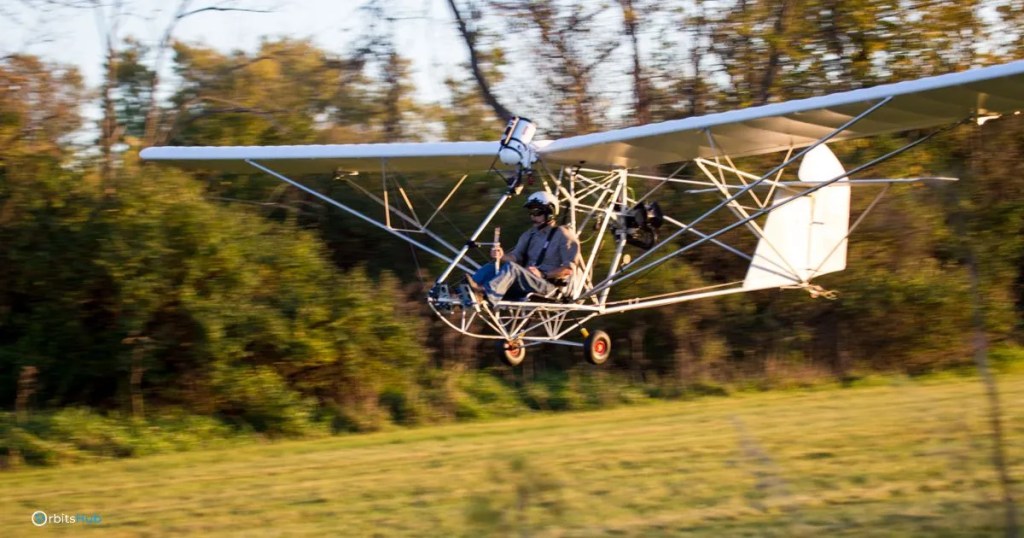
A watershed moment in the development of ultralight planes occurred in the 1970s. This period saw the emergence of a grassroots movement dedicated to ultralight aviation, driven by a growing interest in recreational flying and the desire for freedom in the skies. The advent of new materials, such as aluminum tubing and synthetic fabrics, created more robust and lightweight aircraft structures.
Key Milestones in the 1970s
One of the most critical milestones in ultralight aviation during the 1970s was the development of the hang glider, which laid the groundwork for modern ultralight aircraft. Hang gliders were simple, foot-launched aircraft that allowed pilots to soar through the air using only the power of wind currents. This form of flight was not only accessible but also incredibly exhilarating, attracting a new generation of aviation enthusiasts.
The success of hang gliders spurred further innovation in the ultralight aircraft industry. Designers began experimenting with powered ultralights, adding small engines to hang glider frames to create what would become known as powered hang gliders. These early powered ultralights were the precursors to today’s modern ultralight aircraft.
The FAA’s Role in Ultralight Aviation
The 1980s brought about significant changes in the regulation of ultralight aircraft, particularly in the United States. The Federal Aviation Administration established particular regulations for ultralight aircraft in 1982, introducing Part 103 of the FARs. These regulations defined ultralights as aircraft that weigh less than 254 pounds, have a maximum fuel capacity of five gallons, and are limited to a single occupant.
The introduction of Part 103 was a pivotal moment in the history of ultralight aircraft. It provided a legal framework for the operation of ultralights, allowing enthusiasts to fly without the need for a pilot’s license or extensive training. This regulatory clarity helped to legitimize ultralight aviation and encouraged further innovation and development within the community.
The Modern Era of Ultralight Aircraft
As technology continued to advance in the late 20th and early 21st centuries, so did the capabilities of ultralight aircraft. Today, ultralights are more sophisticated and versatile than ever, offering many options for pilots of all skill levels. From simple, open-cockpit designs to enclosed, high-performance aircraft, the ultralight category has expanded to include various models.
Advances in Materials and Design
One of the most significant advancements in modern ultralight aircraft is composite materials. These materials, such as carbon fiber and Kevlar, offer incredible strength-to-weight ratios, allowing for lighter and more durable aircraft. Using composites has also enabled more aerodynamic designs, improving the performance and efficiency of ultralights.
In addition to materials, advancements in avionics and instrumentation have also played a crucial role in the evolution of ultralight aircraft. Modern ultralights can be equipped with advanced navigation systems, autopilots, and other features once reserved for larger, more expensive aircraft. These technologies have made ultralight flying safer and more accessible to a broader audience.
The Rise of Electric-Powered Ultralights
In recent years, the ultralight aircraft community has witnessed the rise of electric-powered ultralights. There has been a recent uptick in interest in electric propulsion among ultralight pilots due to rising environmental concerns and a desire for quieter, more sustainable flight. Companies like Pipistrel and eFlight are responsible for developing electric ultralights that offer impressive performance while minimizing environmental impact.
Electric ultralights represent a significant milestone in the history of ultralight aircraft, as they combine the traditional appeal of lightweight, personal aviation with the benefits of modern technology. As battery technology continues to improve, electric ultralights will likely become increasingly popular, offering a glimpse into the future of aviation.
The evolution of ultralight aircraft demonstrates how far humans have come in satisfying their insatiable need for flight. Creativity, passion, and a dedication to making flight accessible to all have characterized the growth of ultralights, from the early pioneers of aviation to today’s innovators. Looking ahead, the ultralight community is eager to embrace new technology and explore uncharted territory in personal aviation, all to push the limits of what is possible.
Whether you’re an experienced pilot or someone dreaming of taking to the skies for the first time, the world of ultralight aircraft offers endless possibilities. To learn more about how ultralight aviation can fit into your life or to explore opportunities in maritime and aviation services, visit Orbitshub, a leading consultancy in the industry.