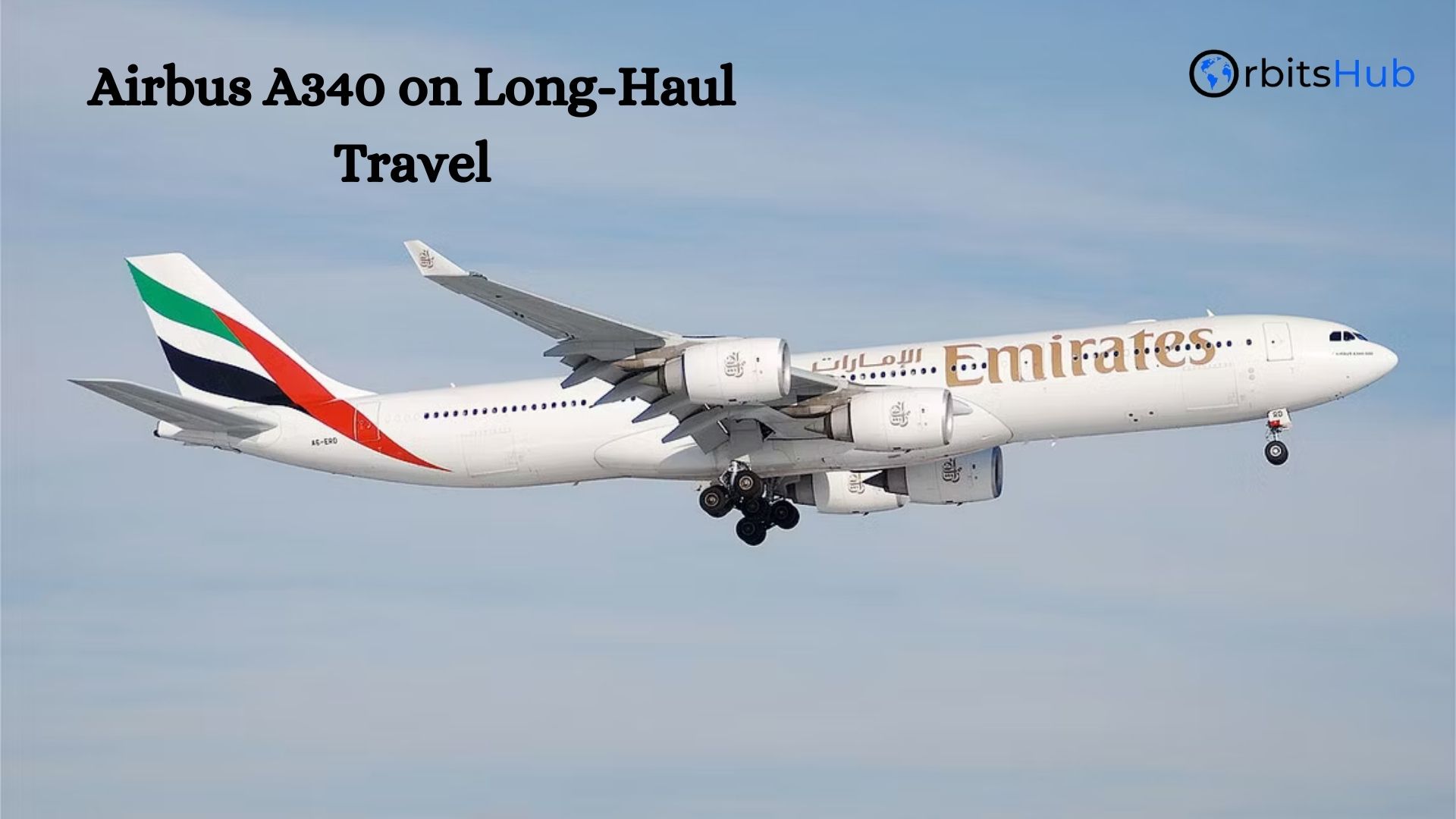
The Airbus A340 dominated the skies for decades as a formidable force in long-haul travel. This iconic wide-body aircraft, instantly recognizable by its four powerful engines, shaped how we experience international journeys. Let’s delve into the A340’s legacy and its lasting impact on long-distance air travel.
A Four-Engine Pioneer: Filling the Gap Before ETOPS
The Airbus A340’s story begins in the mid-1970s. Stringent regulations then limited twin-engine aircraft from flying long distances over water. This restriction, known as Extended-range Twin-engine Operational Performance Standards (ETOPS), had yet to be widely implemented. Airlines needed a reliable option for long-haul routes that couldn’t be served by twin-engine jets. Airbus saw this gap in the market and developed the A340 as a quadjet (four-engine) aircraft. This design offered more excellent range and redundancy than twin-engine jets, allowing airlines to operate flights over vast stretches of ocean without ETOPS certification. The A340’s arrival in the early 1990s was a game-changer. Airlines could now offer direct, long-haul connections between cities previously unconnected due to ETOPS limitations. This opened up new travel possibilities for routes spanning continents and vast oceans.
Variants for Diverse Needs: Airbus A340
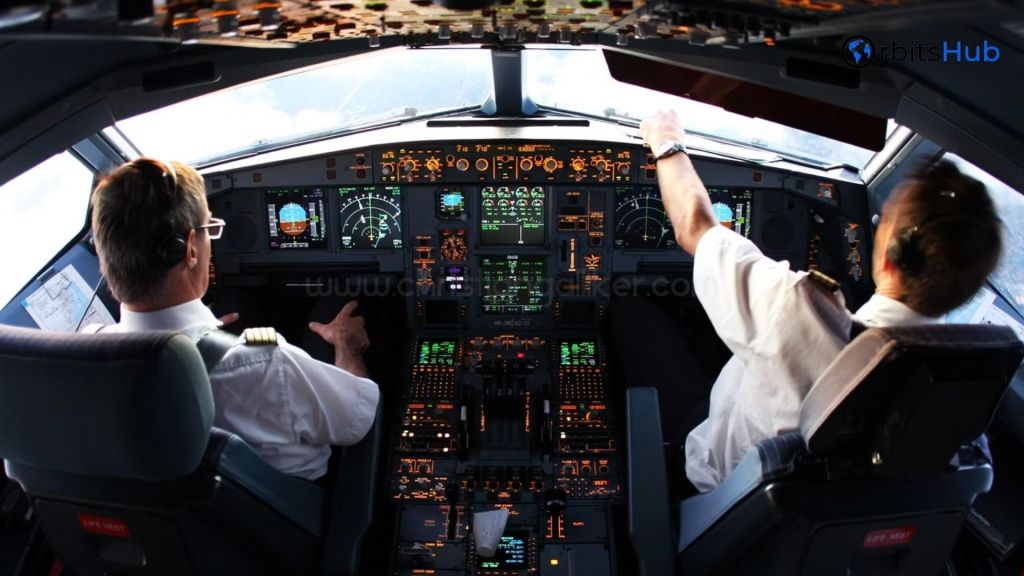
The A340 wasn’t a one-size-fits-all solution. Airbus developed a family of A340 variants to cater to various airline requirements:
- A340-200/300: These medium-range variants offered a good range and passenger capacity balance, ideal for routes between major hubs and secondary cities.
- A340-500/600: These ultra-long-range variants boasted an impressive range, allowing airlines to connect distant destinations with non-stop flights. The Airbus A340-600, in particular, became a popular choice for airlines operating routes like Los Angeles to Sydney or Singapore to Frankfurt.
This variety in range and capacity made the A340 family a versatile workhorse for airlines, enabling them to optimize their long-haul networks.
Passenger Comfort and Cabin Experience of Airbus A340
The A340 was about more than just an impressive range. It also prioritized passenger comfort. The wide-body design translated into a spacious cabin, offering airlines flexibility in configuring seating layouts. Passengers enjoyed a comfortable flying experience on long journeys, with ample legroom and overhead bin space. Furthermore, the A340 was known for its quiet operation. The four engines were strategically placed to minimize noise intrusion into the cabin, making for a more peaceful travel experience.
The Rise of ETOPS and a Shift in the Landscape
The landscape of long-haul travel began to change with the increasing adoption of ETOPS regulations. As twin-engine aircraft technology advanced and safety records improved, ETOPS certification became more readily available. This allowed airlines to operate long-haul routes with twin-engine jets, offering greater fuel efficiency than the four-engine A340. Fuel efficiency became a key concern for airlines as fuel prices escalated. While providing redundancy, the A340’s four engines also meant higher fuel consumption. This, coupled with the growing availability of ETOPS-certified twin-engine aircraft with comparable range, led to a gradual decline in the A340’s dominance.
A Legacy of Innovation and Long-Distance Connections
Despite eventually phasing out of production in 2012, the Airbus A340 left an undeniable mark on long-haul travel. It bridged the gap before ETOPS regulations spread, enabling airlines to establish new direct connections globally. The A340’s impact extends beyond just its role as a long-haul workhorse. It served as a stepping stone in aviation technology, paving the way for developing even more efficient and long-range twin-engine aircraft that dominate long-haul travel today.
A Farewell to the A340: Reasons for Production Halt
While the Airbus A340 played a pivotal role in long-haul travel, its production eventually ceased in 2012. Several factors contributed to this decision:
- Rise of ETOPS-certified Twin-Engine Jets: As mentioned earlier, advancements in twin-engine aircraft technology and improved safety records led to broader ETOPS certification. This allowed airlines to operate long-haul routes with more fuel-efficient twin-engine jets, reducing operational costs.
- Fuel Efficiency: While providing redundancy, the A340’s four engines also meant higher fuel consumption. With rising fuel prices, airlines increasingly favoured the economic benefits of twin-engine aircraft.
- Maintenance Costs: Maintaining four engines is inherently more complex and expensive than maintaining two. As airlines sought to optimize their bottom lines, the A340’s maintenance costs became less attractive.
- Market Shift towards Larger Aircraft: Airlines began to favour more extensive, more efficient wide-body aircraft like the Airbus A350 and Boeing 787 Dreamliner. These newer models offered a comparable range with better fuel efficiency and increased passenger capacity.
These combined factors made the A340 a less commercially viable airline option in the long run.
Beyond the Passenger Cabin: The A340’s Cargo Capabilities
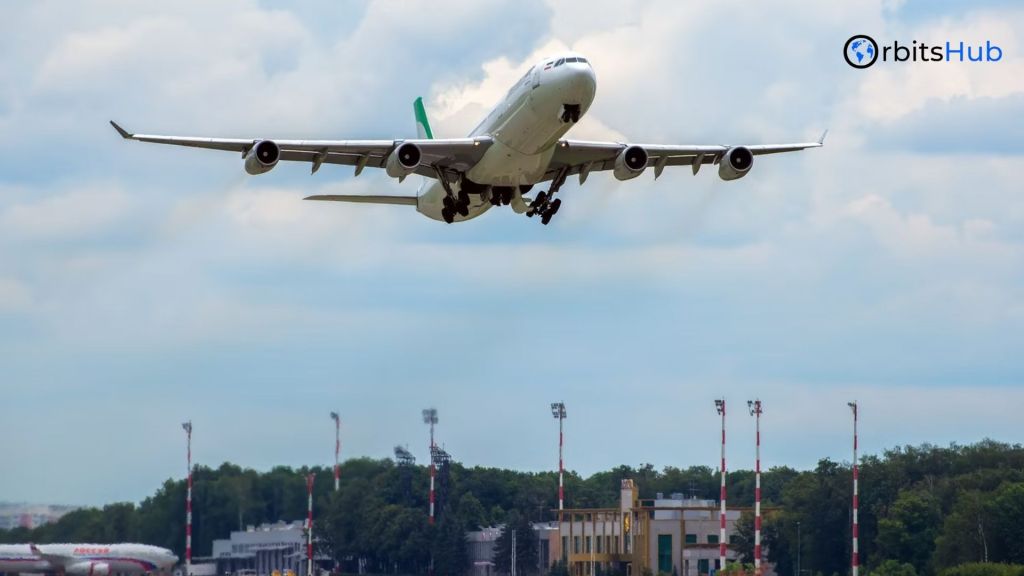
The Airbus A340 wasn’t just a passenger carrier but also a significant role in air cargo transportation. Here’s how:
- Extensive Cargo Capacity: The A340’s spacious underfloor hold offered ample volume for cargo transportation. This was particularly beneficial for long-haul routes where airlines could combine passenger and cargo services for optimized revenue generation.
- Long-Range Reach: The A340’s impressive range allowed airlines to efficiently transport time-sensitive or perishable cargo over long distances, facilitating global trade and supply chains for various industries.
- Freighter Variant: Airbus even developed a dedicated A340-F freighter variant designed for cargo operations. This variant offered an even larger cargo hold capacity, catering to the growing demand for air cargo services.
The A340’s cargo capabilities were a valuable asset for airlines, contributing significantly to the global airfreight network. While the passenger version is no longer in production, some airlines continue to utilize the A340 freighter variant for cargo operations.
The Airbus A340 story is one of innovation, adaptation, and the ever-evolving landscape of long-haul travel. While its reign may have ended, its legacy continues to inspire and influence how we connect across vast distances.
Are you interested in learning more about the ever-changing dynamics of the aviation industry? Explore OrbitsHub, a leading maritime and aviation consultancy, for expert insights and industry trends.