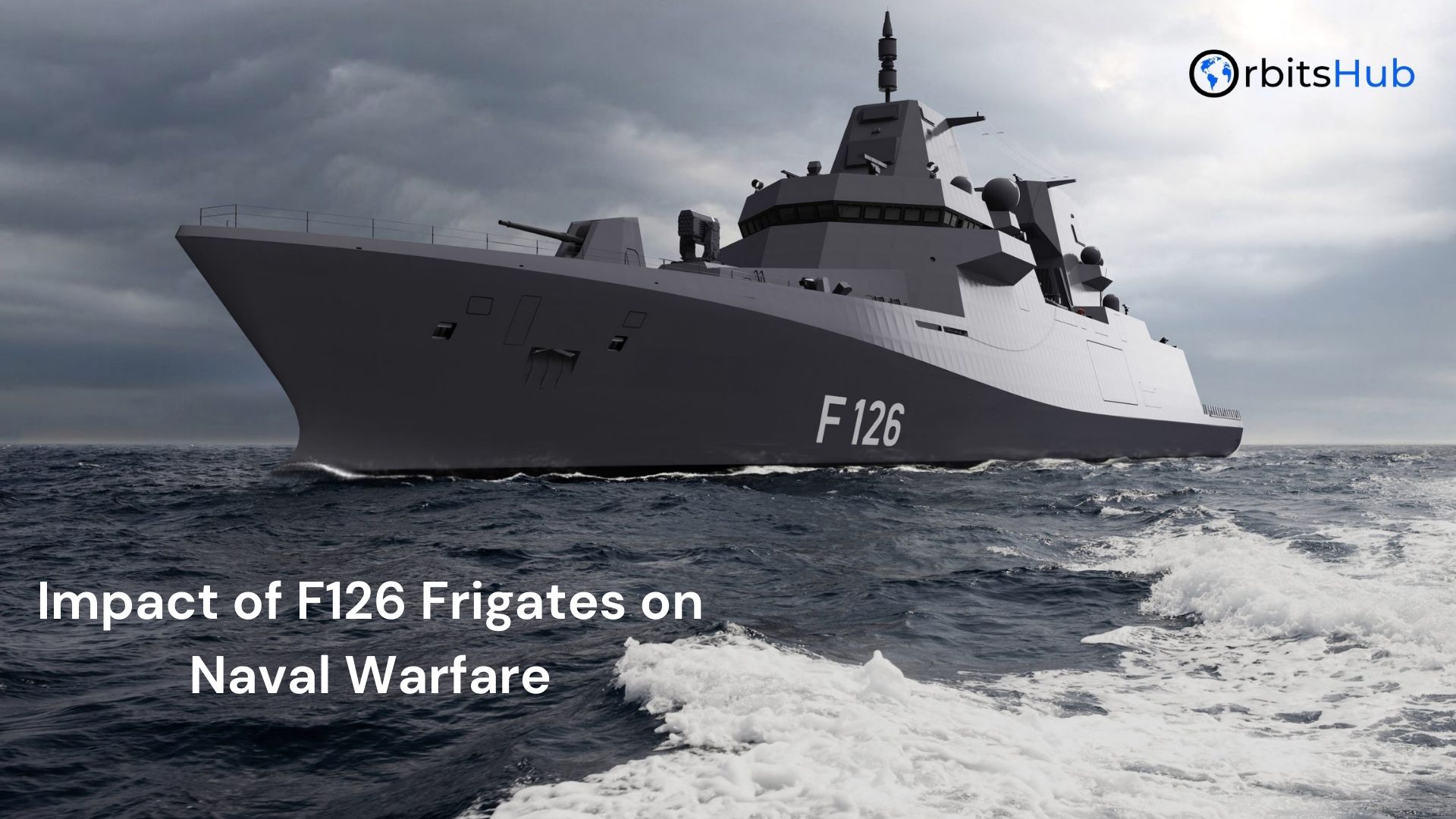
Frigates continue to play an essential role in the dynamic field of naval combat. The F126 Frigates have become pivotal in global maritime operations, altering tactics and capacities. This explores the design, capabilities, strategic relevance, and prospects of F126 Frigates, which significantly impacted naval combat.
The Emergence of F126 Frigates
Evolution and Design
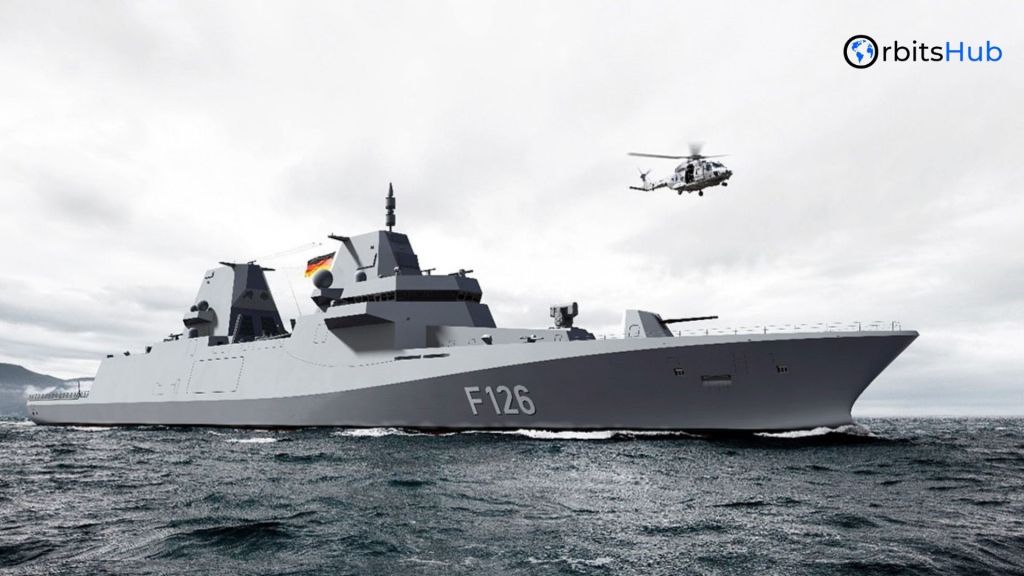
The F126 Frigates represents a culmination of advanced naval technology and strategic design principles. These frigates integrate cutting-edge systems for superior performance in diverse operational environments. Their sleek hull design and state-of-the-art propulsion systems enhance agility and speed, crucial for offensive manoeuvres and defensive operations.
Key Features and Capabilities
- Combat Systems: Equipped with sophisticated radar and sensor suites, F126 Frigates boast advanced detection and tracking capabilities, enabling robust situational awareness and precise targeting of threats.
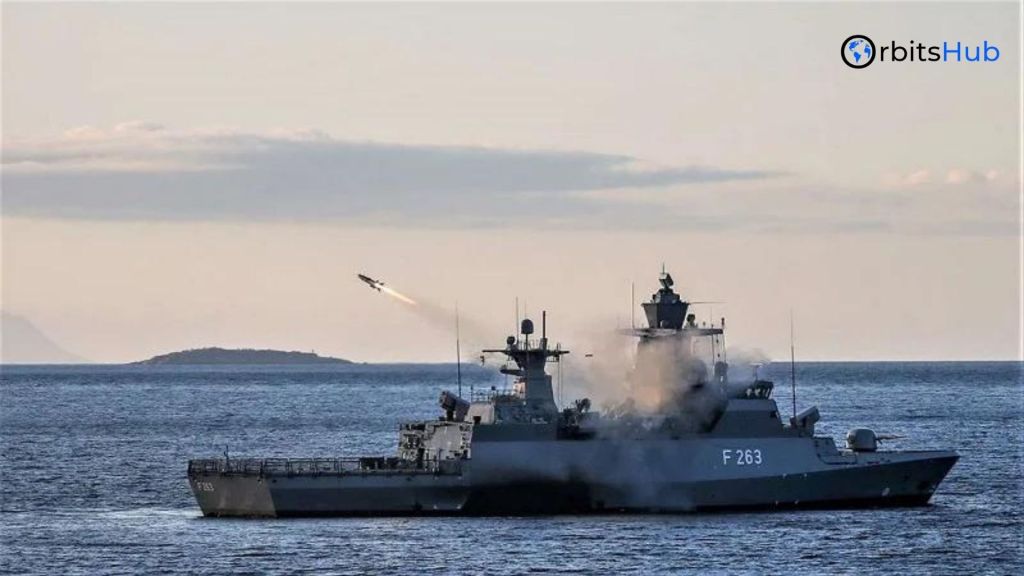
- Weaponry: From long-range missile systems to versatile naval guns, these frigates pack a formidable punch. Their firepower is complemented by advanced electronic warfare and countermeasures, ensuring tactical superiority in combat scenarios.
- Multi-Mission Capability: Beyond combat roles, F126 Frigates excel in multi-mission versatility. They support anti-submarine warfare, maritime surveillance, humanitarian missions, and even peacekeeping operations, underscoring their adaptive nature in dynamic naval settings.
Strategic Importance and Operational Impact
Global Deployment and Influence
F126 Frigates have garnered international acclaim for their operational effectiveness and reliability. Deployed by navies across countries, they contribute significantly to regional security and stability. Their presence in strategic waterways and conflict-prone regions underscores their role as deterrents and force multipliers, shaping geopolitical dynamics through deterrence and defence diplomacy.
Case Studies in Naval Operations
- Counter-Piracy Operations: In combating maritime piracy, F126 Frigates have proven instrumental. Their ability to swiftly respond to threats and enhanced surveillance capabilities enhance maritime domain awareness and facilitate coordinated responses with international coalitions.
- Humanitarian Assistance and Disaster Relief (HADR): During humanitarian crises, these frigates provide critical support, delivering aid and conducting evacuation operations precisely and efficiently. Their versatile design allows rapid adaptation to evolving crisis scenarios, making them indispensable assets in global humanitarian efforts.
Future Prospects and Technological Advancements
Innovation and Upgrades
As naval technology advances, so too do the capabilities of F126 Frigates. Ongoing upgrades in sensor fusion, autonomous systems, and stealth technology promise enhanced operational effectiveness and reduced detectability. Integrating renewable energy sources and eco-friendly propulsion systems also positions these frigates as leaders in sustainable naval operations, aligning with global environmental goals.
Advanced Naval Warfare Strategies Enhanced by F126 Frigates
Integrated Command and Control Systems
F126 Frigates have advanced command and control systems integrating data from various sensors and platforms. This enhances decision-making processes during naval operations, ensuring swift and coordinated responses to threats and challenges at sea.
Naval Force Projection and Influence
Deploying F126 Frigates significantly enhances a navy’s ability to project power and influence in strategic regions. These frigates serve as credible deterrents, capable of conducting long-range operations and maintaining presence in critical maritime areas, thereby shaping regional security dynamics.
Technological Innovations and Upgrades in F126 Frigates
Advancements in Stealth and Signature Reduction
F126 Frigates incorporate advanced stealth technologies to minimize their radar cross-section and infrared signature. These innovations enhance their survivability and operational effectiveness by reducing detection and increasing their ability to operate undetected in hostile environments.
Integration of Autonomous Systems and AI
Modern F126 Frigates leverage autonomous systems and artificial intelligence (AI) to streamline operations and enhance decision-making capabilities. These technologies enable autonomous navigation, remote sensing, and predictive maintenance, reducing crew workload and improving mission efficiency.
Environmental Impact and Sustainability Measures
Eco-Friendly Propulsion Systems
F126 Frigates increasingly incorporate eco-friendly propulsion systems such as hybrid engines or fuel-efficient technologies. These advancements reduce operational costs and minimize carbon emissions, aligning with global efforts towards sustainable naval operations and environmental conservation.
Role in Maritime Security Partnerships
F126 Frigates play a crucial role in fostering maritime security partnerships and alliances. These frigates enhance regional stability and strengthen international cooperation in combating common maritime threats like piracy and illegal fishing activities through joint exercises, information sharing, and collaborative patrols.
Challenges and Future Trends in F126 Frigate Development
Maintenance and Lifecycle Management
Maintaining and managing the lifecycle of F126 Frigates poses significant challenges due to their complex systems and technology integration. Effective maintenance strategies and lifecycle management plans are crucial to ensuring these advanced naval assets’ operational readiness and longevity.
Adaptation to Hybrid Threat Environments
F126 Frigates face the challenge of adapting to hybrid threat environments, which integrate conventional and asymmetric threats such as cyber warfare and drone technology. Strategies for enhancing resilience and combating these evolving threats are essential for maintaining operational effectiveness in modern naval operations.
F126 Frigates epitomize the evolution of naval warfare capabilities, combining advanced technology with versatile operational prowess. From safeguarding maritime trade routes to supporting humanitarian missions, their impact transcends traditional combat roles, shaping the future of global maritime security. As navies continue to invest in these formidable vessels, their strategic importance in maintaining peace and stability at sea remains undeniable.
Explore more insights into naval technologies and strategic developments on OrbitsHub. Dive deeper into the world of maritime and aviation advancements.