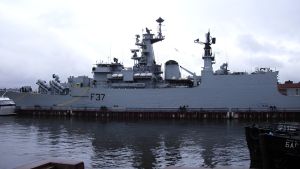
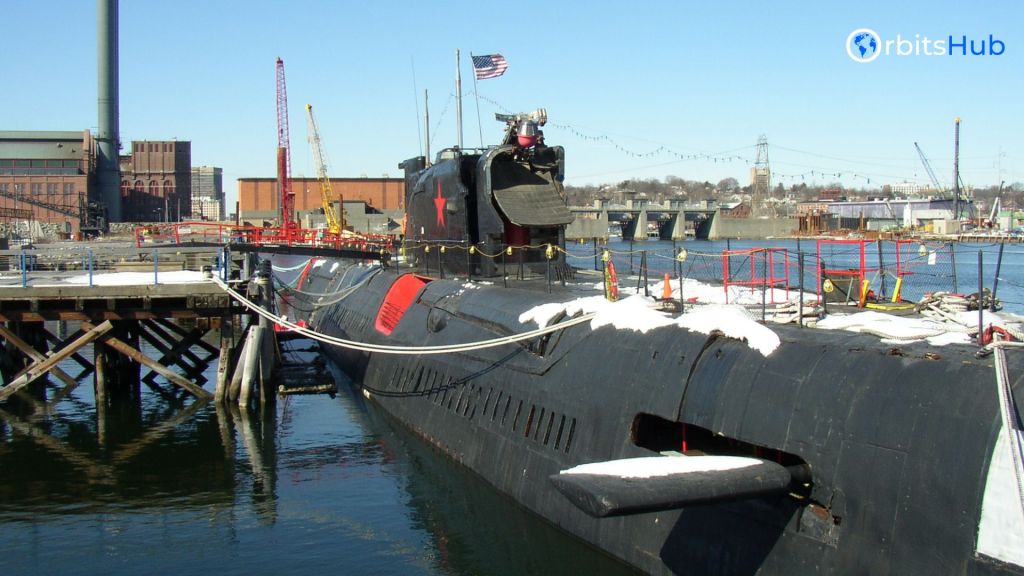
The Soviet nuclear-powered ballistic missile submarine (SSBN) K-19 has shaped naval warfare. It was a secretive scientific marvel that symbolized the Cold War arms competition when it was launched in 1959. But the K-19’s story isn’t only about military power. It’s about dangerous incidents, near disasters, and the crew’s bravery in hazardous situations. The K-19’s legacy goes beyond the Cold War. It highlights the human cost of technological advances and the need for international cooperation to prevent catastrophic escalation during geopolitical conflicts. This examines the K-19’s impact on naval combat, including safety improvements, Cold War tensions, and nuclear submarine development.
Submarine: Accidents and Radiation Exposure
A series of accidents and near-disasters mark the K-19 submarine story. In 1961, just two years after launch, the submarine experienced a reactor coolant leak. The poorly designed reactor, plagued with construction flaws and inadequate safety measures, posed a grave threat to the crew. With limited training for such emergencies, the crew heroically battled to prevent a meltdown, resorting to jury-rigged solutions and enduring extreme radiation exposure.
Although the crew narrowly avoided disaster, some crew members succumbed to radiation sickness as a result of the incident. This episode exposed the dangers of early nuclear submarine technology and spurred advancements in reactor safety protocols and crew training for the Soviet Navy.
Cold War Tensions and the 1969 Collision

Operating under the constant pressure of Cold War tensions, the K-19 submarine continued its patrols. In 1969, another incident with far-reaching consequences occurred. During a submerged transit in the Barents Sea, the K-19 collided with the American submarine USS Gato. Both submarines sustained damage, but the K-19 situation was more critical. With damaged systems and the potential for another reactor accident, the captain decided to surface and return to port.
The incident caused a near-war scare. Both superpowers, suspicious of each other’s intentions, scrambled their fleets. Thankfully, cooler heads prevailed, and a potential escalation was averted. The collision, however, highlighted the dangers of underwater encounters between nuclear-powered vessels and the need for improved communication and de-escalation protocols during the Cold War.
Safety Improvements and Submarine Espionage
The K-19’s troubled history had a lasting impact on naval warfare. The accidents exposed critical flaws in Soviet nuclear submarine technology, leading to significant improvements in reactor design, safety features, and crew training.
The 1969 collision also highlighted the risks of underwater encounters between nuclear submarines. This, in turn, played a role in developing international communication protocols and confidence-building measures to prevent accidental escalation during the Cold War.
Beyond safety advancements, the K-19 incident also sparked a wave of espionage efforts. Both the Americans and the Soviets attempted to recover intelligence on the damaged submarine, with the Americans reportedly even considering a daring covert operation to tow the K-19 away. The episode highlighted the intense competition and paranoia that characterized the Cold War era.
Technological Advancements Spurred by the K-19
Following the K-19 events, the Soviet Union made several safety upgrades to its nuclear submarines, which will be discussed in more detail in this section. You could discuss advancements like:
- Improved Reactor Design: Explain how later Soviet submarines incorporated more robust reactor systems with better cooling mechanisms and containment features.
- Enhanced Safety Protocols: Highlight the development of stricter operational procedures, emergency response plans, and radiation monitoring protocols.
- Advanced Crew Training: Discuss how Soviet training programs for submarine crews evolved to include extensive radiation safety training, emergency response drills, and a stronger focus on reactor maintenance.
The K-19 and the Future of Nuclear Submarines
This section will explore the K-19’s influence on the broader trajectory of nuclear submarine technology. You could explore topics like:
- Global Nuclear Submarine Proliferation: Briefly touch upon the impact of the K-19 incident on other nations developing nuclear submarines and how safety concerns became a more prominent factor.
- Focus on Environmental Impact: Discuss how the K-19 incident potentially influenced the development of stricter regulations regarding the decommissioning and disposal of nuclear submarines to minimize environmental risks.
- The Future of Nuclear Submarines: Briefly explore the ongoing advancements in nuclear submarine technology, focusing on areas like automation, stealth capabilities, and improved reactor efficiency.
The K-19 submarine’s story is a stark reminder of the human cost associated with naval advancements and Cold War tensions. The crew’s bravery in the face of radiation exposure and the potential for nuclear submarine disaster deserves recognition. The incident also underlines the importance of international cooperation and communication to prevent accidental escalation during heightened geopolitical tensions.
Are you looking to understand the intricacies of maritime security and Cold War naval strategies? OrbitsHub.com, a leading marine and aviation consultancy services company, offers many resources and expertise. Contact us today to explore how we can assist you in navigating the complexities of the maritime and aviation industries.