The legacy of Soviet fighter jets is a rich and fascinating chapter in the annals of military aviation history. These aircraft not only played a pivotal role in the defense strategy of the Soviet Union during the Cold War but also influenced global aviation developments for decades. From their inception in the early 20th century to their lasting impact on modern military tactics, Soviet-era fighter jets symbolize technological innovation, resilience, and strategic superiority. This article delves into the historical evolution of Soviet fighter jets, highlighting their design, technological advancements, and enduring influence on modern aviation.
The Early Days of Soviet Aviation
The Birth of Soviet Fighter Jets
The story of Soviet fighter jets began after World War I when the Soviet Union sought to establish its aviation industry. The need for a powerful air force was clear, and the newly formed Soviet government prioritized the development of military aircraft. The first significant milestone came with the introduction of the Polikarpov I-15, a biplane fighter that served as the backbone of the Soviet Air Force during the 1930s. The I-15 was a testament to the Soviet Union’s growing aircraft design and production capabilities.
Advancements in the Interwar Period
During the interwar, the Soviet Union focused on advancing its fighter jet technology. The Polikarpov I-16, introduced in the mid-1930s, was a revolutionary design. As one of the first low-wing monoplane fighters, the I-16 featured retractable landing gear and was a precursor to more modern fighter designs. Its success in the Spanish Civil War highlighted the Soviet Union’s growing prowess in aviation, setting the stage for further innovations.
World War II: The Zenith of Soviet Fighter Development
The Yakovlev and Lavochkin Series
World War II was a turning point for Soviet fighter jets, with the Yakovlev and Lavochkin series emerging as the most iconic fighters of the era. The Yakovlev Yak-3 and Yak-9 were lightweight, agile fighters that excelled in dogfights, particularly on the Eastern Front. These aircraft were known for their simplicity, durability, and ease of production, making them a favorite among Soviet pilots.
On the other hand, the Lavochkin La-5 and La-7 were known for their powerful radial engines and exceptional performance at low altitudes. These fighters were crucial in achieving air superiority during critical battles, including the Battle of Kursk. The success of these aircraft during World War II underscored the Soviet Union’s ability to produce effective and reliable fighter jets under the pressures of war.
The Role of Soviet Fighters in the War Effort
Soviet fighter jets were instrumental in the Soviet Union’s defense strategy during World War II. The sheer number of aircraft produced, combined with the relentless efforts of Soviet pilots, played a crucial role in repelling the German invasion. Soviet fighters provided critical air cover for ground troops, disrupted enemy supply lines, and engaged in fierce dogfights with German aircraft. The resilience and effectiveness of Soviet fighter jets during the war laid the groundwork for the Soviet Union’s post-war aviation dominance.
The Cold War Era: The Rise of Jet Fighters
The Introduction of Jet Propulsion
The end of World War II marked the beginning of the jet age, and the Soviet Union was quick to embrace this new technology. The Mikoyan-Gurevich MiG-15, introduced in the late 1940s, was one of the first successful jet fighters developed by the Soviet Union. The MiG-15’s swept-wing design and powerful jet engine made it a formidable adversary in the skies. Its performance in the Korean War, where it faced off against the American F-86 Sabres, solidified its reputation as one of the most successful jet fighters of the era.
The Evolution of the MiG Series
The MiG-21, one of the most recognizable Soviet planes of all time, was born out of the success of the MiG-15 and allowed for the creation of even more sophisticated jet fighters. Introduced in the late 1950s, the MiG-21 was a supersonic fighter known for its speed, agility, and versatility. It became the most widely produced supersonic jet in history, serving in the air forces of over 60 countries.
The MiG series continued to evolve throughout the Cold War, with the MiG-23 and MiG-29 introducing new levels of technology and capability. The MiG-29, in particular, was a fourth-generation jet fighter with advanced avionics, radar systems, and missile technology. It became a symbol of Soviet technological prowess and was a vital component of the Soviet Air Force’s strategy during the later years of the Cold War.
Technological Innovations and Strategic Impact

The Sukhoi Su-27: A Game-Changer
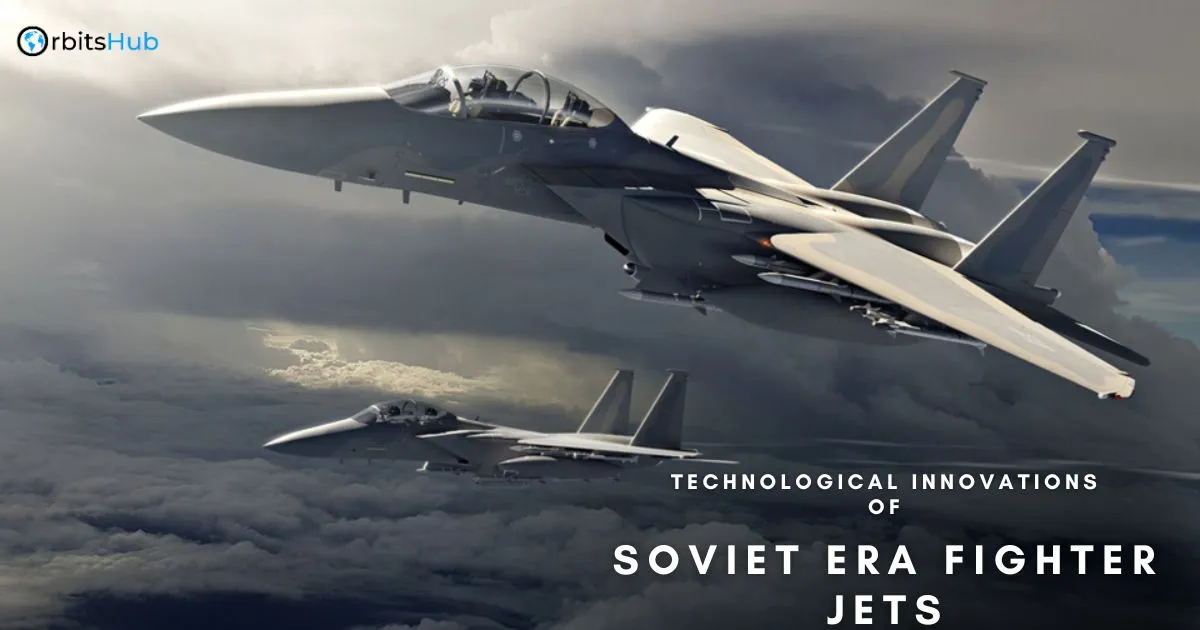
The Sukhoi Su-27 debuted in the 1980s and was a giant leap forward in Soviet aviation technology, even though the MiG series was the mainstay of Soviet fighter development. Equipped with sophisticated avionics, long-range radar, and robust engines, the Su-27 was built to rival the American F-15 Eagle. Its agility and combat performance made it a formidable opponent, and it remains in service today in Russia and several other countries.
Impact on Global Aviation
The technological innovations introduced by Soviet fighter jets during the Cold War profoundly impacted global aviation. The widespread use of MiG and Sukhoi aircraft by various countries worldwide demonstrated the Soviet Union’s influence in shaping modern air combat tactics. The development of advanced missile systems, radar technology, and electronic warfare capabilities in Soviet fighter jets set the stage for the evolution of modern military aviation.
The Legacy of Soviet Fighter Jets
Influence on Modern Aircraft Design
The legacy of Soviet fighter jets is evident in the design and development of modern military aircraft. The emphasis on speed, maneuverability, and adaptability seen in Soviet jets continues to influence aircraft design today. The MiG-29 and Su-27, in particular, have inspired the development of new generations of fighter jets, both in Russia and globally. Their design principles are reflected in modern aircraft such as the Sukhoi Su-35 and the MiG-35, which incorporate advanced avionics, stealth technology, and multi-role capabilities.
The Enduring Legacy in Military Strategy
Soviet fighter jets left a mark on aviation technology and military strategy. The Soviet Union’s focus on mass production, simplicity, and ruggedness in fighter jet design proved effective in large-scale conflicts. This approach has influenced military strategies worldwide, particularly in countries with limited resources that seek to maximize the effectiveness of their air forces. The lessons learned from deploying Soviet fighter jets continue to shape military doctrine and tactics in modern air forces.
The legacy of Soviet fighter jets is a testament to the Soviet Union’s technological achievements and strategic understanding during the 20th century. These planes were pivotal in determining the trajectory of warfare from the dawn of flight to the sophisticated jet fighters of the Cold War. The innovations introduced by Soviet fighter jets not only influenced global aviation but also left a lasting impact on military strategy and aircraft design. As we look to the future, the legacy of these iconic aircraft continues to inspire and inform the development of modern fighter jets.
Those interested in exploring the intricate world of aviation and maritime consulting should consider contacting Orbitshub. Their extensive knowledge and experience allow them to offer insightful advice on many marine and aviation-related matters.