The Yamato warship, a symbol of Japan’s naval might during World War II, is significant in maritime history. Launched in 1940, this battleship was part of the Imperial Japanese Navy and became renowned for its massive size and powerful artillery. No bigger or stronger battleships were ever built than the Yamato and its sister ship, the Musashi. Despite their formidable presence, the Yamato class battleships had a relatively short-lived service. Their legacy, however, continues to influence naval strategy and ship design.
The Birth of the Yamato Warship
Design and Construction
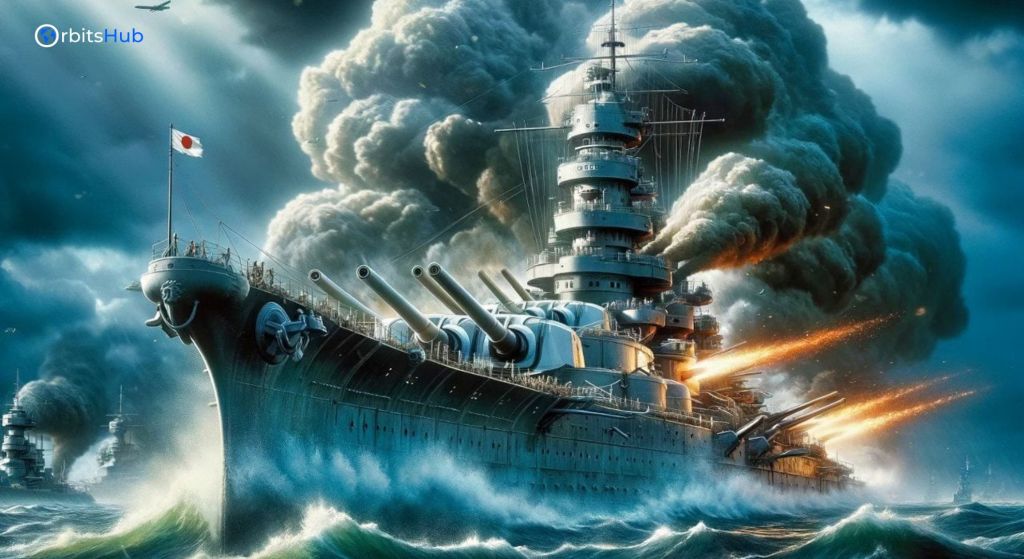
The Yamato warship’s design aimed to outclass any potential adversaries. Japanese naval architects focused on creating a battleship that could overpower American naval forces. The ship was designed to carry the most significant naval guns ever mounted on a battleship—460 mm (18.1 inches) in caliber.
Technical Specifications
- Displacement: 72,800 tons (full load)
- Length: 263 meters (862.8 feet)
- Beam: 38.9 meters (127.6 feet)
- Armament: Nine 460 mm main guns, twelve 155 mm secondary guns, twelve 127 mm anti-aircraft guns, and numerous smaller anti-aircraft weapons
- Speed: 27 knots (50 km/h; 31 mph)
- Armor: Belt armor up to 410 mm (16.1 inches), deck armor up to 200 mm (7.9 inches)
Launch and Early Service
It was first shown off on August 8, 1940, and went into service on December 16, 1941. As the flagship of the Combined Fleet, it was intended to serve as the centerpiece of Japan’s naval power. However, the evolving nature of maritime warfare soon rendered battleships like the Yamato less effective. The rise of air power and aircraft carriers shifted the balance of naval strategy.
Yamato in World War II
Early Operations
Initially, the Yamato served as a deterrent, with its presence alone intended to intimidate enemy forces. It played a minimal role in early Pacific battles, remaining mainly in port due to the threat of air attacks.
The Battle of Leyte Gulf
The Yamato saw significant action during the Battle of Leyte Gulf in October 1944, one of history’s most important naval battles. As part of Admiral Kurita’s Center Force, the Yamato and its fleet attempted to disrupt the American invasion of the Philippines. Despite its powerful guns, the Yamato’s effectiveness was limited by poor coordination and overwhelming enemy air power.
Operation Ten-Go
In April 1945, the Yamato embarked on its final mission, Operation Ten-Go. The plan was a desperate attempt to defend Okinawa from Allied forces. Without adequate air cover, the Yamato faced relentless attacks from American aircraft. After being hit by many bombs and torpedoes, the Yamato flipped over and sank on April 7, 1945, taking with it more than 3,000 crew members.
The Impact of the Yamato Warship on Maritime Warfare
Evolution of Naval Strategy
Shift from Battleships to Aircraft Carriers
The fate of the Yamato underscored the shifting dynamics of naval warfare. Battleships’ prominence diminished as aircraft carriers became the new capital ships. The ability to project air power over vast distances proved more decisive than heavy guns and armor.
Influence on Ship Design
The Yamato’s construction highlighted the limitations of traditional battleship design in modern warfare. Future naval vessels prioritized speed, versatility, and air power. The lessons learned from the Yamato influenced the development of new classes of warships, including missile cruisers and nuclear-powered submarines.
Symbol of Naval Power and National Pride
Cultural Significance
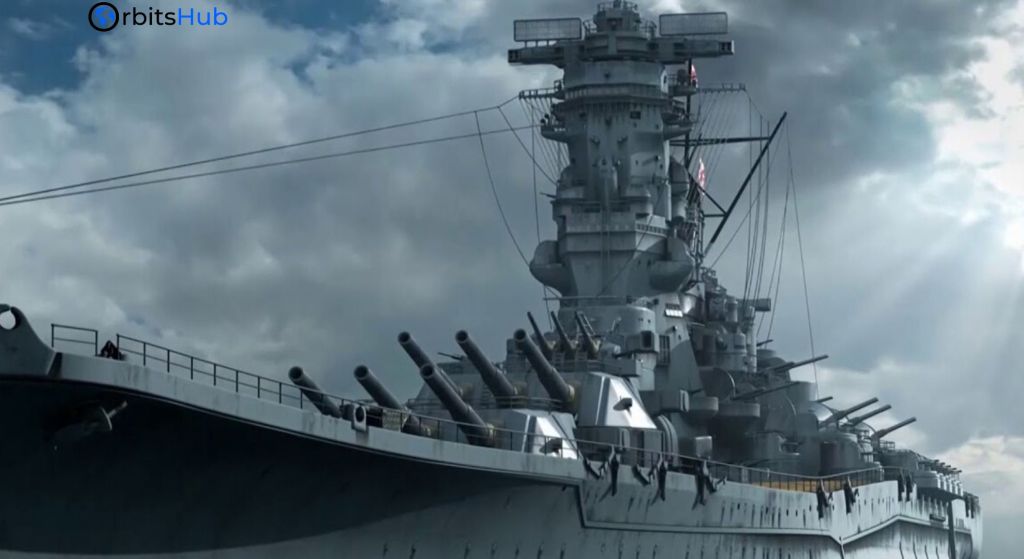
In Japan, the Yamato symbolized national pride and military prowess. Its legacy is preserved in various cultural forms, including films, documentaries, and anime. The ship’s story resonates as a tale of bravery and sacrifice.
Memorials and Museums
Several memorials and museums commemorate the Yamato and its crew. The Yamato Museum in Kure, Japan, offers a detailed ship history and its role in World War II. Exhibits include a 1:10 scale model of the Yamato, artifacts, and interactive displays that educate visitors about the ship’s impact on naval history.
Despite its relatively brief service, the Yamato warship left an indelible mark on maritime warfare. Its design and construction represented the pinnacle of battleship engineering, while its ultimate fate highlighted the changing nature of naval strategy. The lessons from the Yamato continued to influence naval architecture and military tactics. As a symbol of power and sacrifice, the Yamato remains a significant part of maritime history.
Looking into the history of the Yamato warship can teach us a lot about how naval fighting has changed over time and how technological advances have shaped modern navies. Check out the OrbitsHub website to learn more about marine history and keep up with the latest news in the field. OrbitsHub is your gateway to comprehensive maritime and aviation consultancy services, providing expert analysis and insights to navigate the complexities of these dynamic industries.