The Lockheed SR-71 Blackbird, affectionately known as the “Blackbird Aircraft,” is a testament to human ingenuity and engineering prowess. This remarkable aircraft, developed during the Cold War era, pushed the boundaries of speed, altitude, and reconnaissance capabilities. This article delves into the fascinating world of the SR-71, exploring its origins, design, missions, and enduring legacy.
Origins and Development
The Dark Project
The SR-71 emerged from the secretive Lockheed Skunk Works division, where brilliant minds like Clarence “Kelly” Johnson turned dreams into reality. Initially conceived as a bomber variant of the Lockheed A-12, the project shifted its focus solely to reconnaissance. The A-12’s sleek design, with reduced radar cross-section, was the foundation for the SR-71’s iconic shape.
Design and Features
Speed and Altitude
The SR-71’s most striking feature was its ability to fly at Mach 3.2 (over three times the speed of sound) and cruise at an astonishing 85,000 feet (approximately 26,000 meters). It could outpace any threat at these extreme speeds and altitudes, making it nearly invulnerable.
The Blackbird’s Stealthy Appearance

The dark color of the SR-71 earned it the moniker “Blackbird.” While it carried radar countermeasures, its proper protection lay in its combination of high altitude and blistering speed. No weapon fired at it could catch up.
Missions and Capabilities
Strategic Reconnaissance
The SR-71 excelled in strategic reconnaissance. Its mission equipment included signal intelligence sensors, side-looking airborne radar, and a powerful camera. These tools enabled it to capture critical information from above, even in hostile territories.
Evasive Maneuvers
When faced with a surface-to-air missile threat, the SR-71’s standard response was simple: accelerate and outpace the missile. Its speed made it a ghostly presence in the skies, bewildering adversaries.
Operational History
Public Revelation
The SR-71’s existence was shrouded in secrecy until July 1964, when it was unveiled. It entered service with the United States Air Force (USAF) in January 1966.
Retirements and Revivals
In 1989, political decisions led to the SR-71’s retirement from the USAF. However, it briefly returned to service in the 1990s. NASA also employed the Blackbird for research purposes until its final retirement in 1999.
Legacy and Beyond
The SR-71’s Record
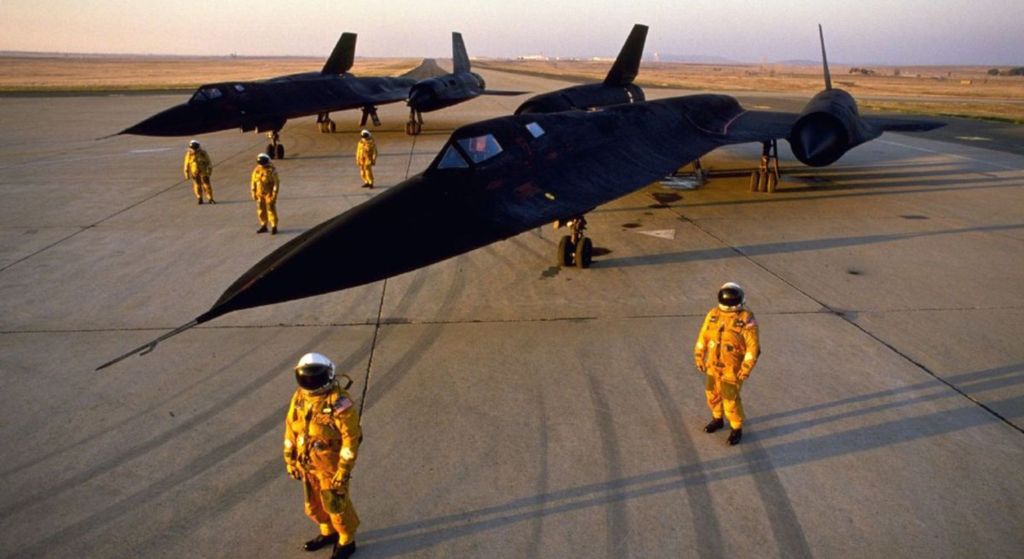
The record for the fastest air-breathing human-crewed aircraft, which the SR-71 first claimed in 1976, will still be held by the aircraft in 2024. The Lockheed YF-12 had held this distinction before it.
Successors and Future Prospects
While the SR-71 no longer graces our skies, its role has been taken up by reconnaissance satellites and uncrewed aerial vehicles (UAVs). Lockheed Martin’s proposed successor, the SR-72, is set to fly in 2025, promising to carry forward the Blackbird’s legacy.
The Stealthy Design: How the Blackbird Evaded Detection
The SR-71’s sleek and mysterious appearance wasn’t just for show. Let’s explore how its design contributed to its stealthiness:
The Shape Matters
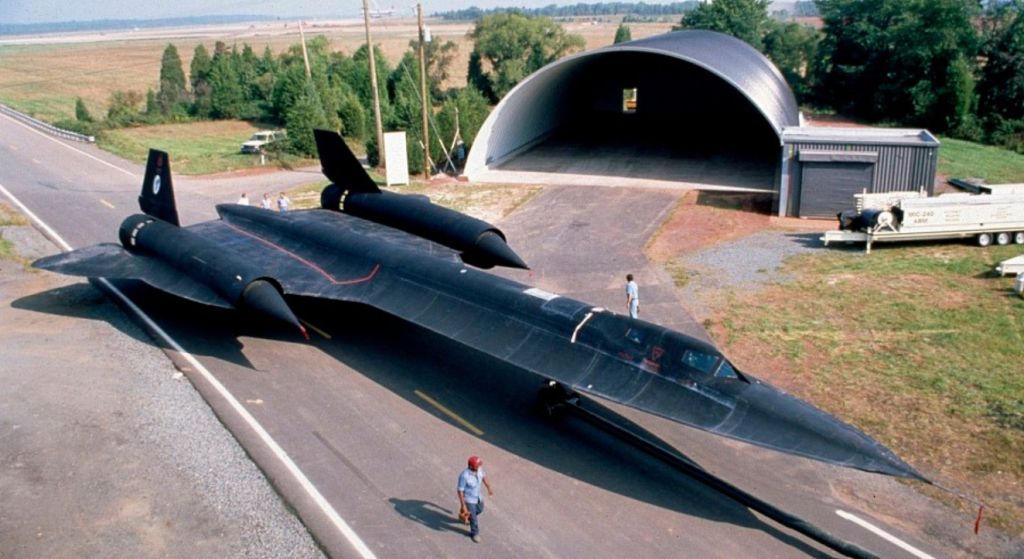
The Blackbird’s fuselage was meticulously crafted to minimize radar reflections. The enemy’s radar systems had a stricter time locking onto it due to its narrow and elongated body, which lowered its radar cross-section. The chines—distinctive ridges along the fuselage helped deflect radar waves from the source.
Heat Management
At Mach 3 speeds, friction with the atmosphere generated intense heat. The SR-71’s skin was made of titanium, which could withstand temperatures exceeding 600°C (1,100°F). The aircraft’s unique fuel—JP-7, a specialized blend—also acted as a coolant for the airframe.
Black Paint and Stealthy Coatings
The Blackbird’s dark color wasn’t just for aesthetics. Its radar-absorbent paint absorbed and dissipated radar waves. The paint also helped dissipate heat during flight. The combination of stealthy coatings and the Blackbird’s design allowed it to slip through enemy defenses undetected.
The Men Behind the Blackbird: Tales from the Skunk Works
The SR-71 owes its existence to the brilliant minds at the Lockheed Skunk Works. Let’s meet some of the key players:
Clarence “Kelly” Johnson
Kelly Johnson was a legend as the chief engineer and visionary behind the SR-71. His unconventional thinking led to breakthroughs in aerodynamics, materials, and propulsion. Johnson’s motto—”Be quick, quiet, and on time”—perfectly encapsulated the Skunk Works spirit.
Ben Rich: The Successor
After Johnson’s retirement, Ben Rich took the reins. Rich continued the Skunk Works legacy, overseeing the SR-71’s operational success and pushing the boundaries of aviation technology. His leadership ensured that the Blackbird remained unmatched in its capabilities.
The Unsung Heroes
Beyond the famous names, countless engineers, technicians, and support staff worked tirelessly to keep the Blackbird flying. Their dedication, often in the shadows, ensured that the SR-71 achieved its missions flawlessly.
The SR-71 Blackbird remains an awe-inspiring marvel—an embodiment of human determination, innovation, and the pursuit of the impossible. Its legacy continues to soar, leaving an indelible mark on aviation history.
FAQ’s
1. What is the SR-71 Blackbird, and why is it legendary in aviation history?
The SR-71 Blackbird is a reconnaissance aircraft developed by Lockheed Martin in the 1960s. Its legendary status is attributed to its incredible speed, altitude, and stealth capabilities, making it an iconic marvel in aviation. The SR-71 holds numerous speed and altitude records and was crucial during the Cold War for reconnaissance missions.
2. What made the SR-71 Blackbird so fast, and what were its top speed and altitude capabilities?
The SR-71’s exceptional speed was due to its powerful engines and aerodynamic design. Its maximum altitude for flight is over 85,000 feet, and its maximum speed is over Mach 3, or three times the speed of sound. The combination of these factors allowed it to outrun and outfly any potential threats.
The SR-71 Blackbird aircraft stands as an unparalleled marvel in aviation, earning its legendary status through its extraordinary capabilities and groundbreaking design. This legendary plane achieved unprecedented heights and speeds, proving once and for all the limitless potential of the human mind and technical genius. Its contribution to reconnaissance and strategic intelligence during the Cold War era remains unparalleled, solidifying its place in history as a symbol of innovation and technological prowess. The SR-71 Blackbird has left an everlasting impression on aviation history as a symbol of unparalleled performance, stealth, and speed, captivating professionals and enthusiasts.