The world’s longest ships are a testament to the marvels of engineering, combining style and seamless design. These vessels boast impressive lengths and incorporate unique environmentally sustainable features. In this article, we will explore the top ten longest ship in the world, categorizing them according to their lengths. These ships, from container carriers to supertankers, are crucial in global shipping trade.

1. The Evergreen A Class Containerships
First on our list are the Evergreen A Class container ships, a series of 13 specialized vessels constructed for the Taiwanese company Evergreen Marine. These ships are renowned for their size and unique design. The Ever Alot and Ever Ace are this class’s largest and most renowned ships.
The Ever Alot, sailing under the flag of Panama, measures a staggering 400 meters in length with a breadth of 61.5 meters and a draft of 17 meters. It boasts a carrying capacity of 24,004 TEU, making it the first vessel in its class to surpass the 24,000 TEU limit. Similarly, the Ever Ace, measuring 399.9 meters, held the title of the world’s largest container ship until it entered into service with Ever Alot in 2022. It has a carrying capacity of 24,000 TEU and a cruising speed of 22.6 knots.
This class includes several prominent vessels such as Ever Atop, Eve Apex, Ever Art, Ever Arm, Ever Alp, and Ever Act.

2. HMM Algeciras
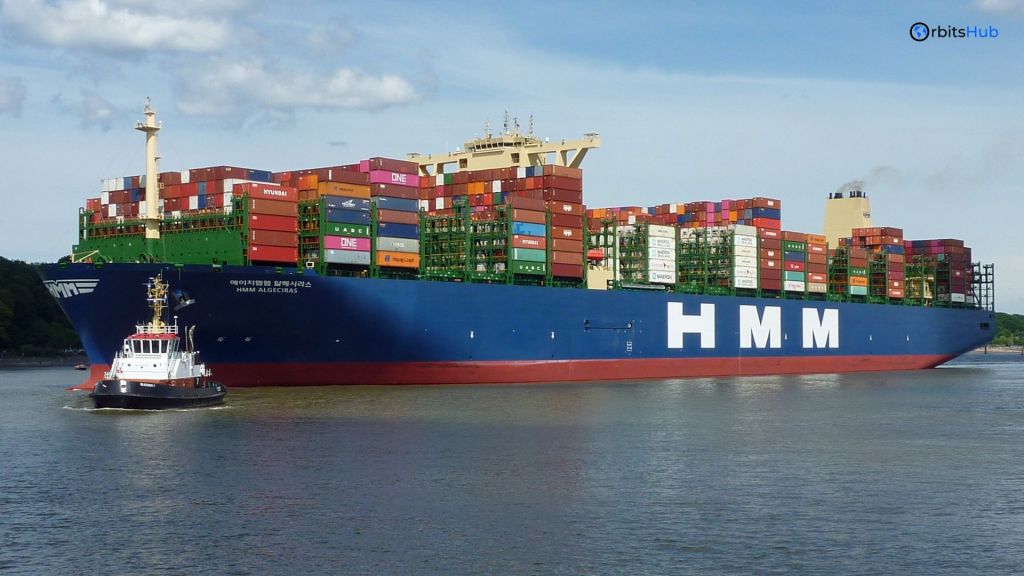
Next up is the Megamax-24 container series, which includes 12 ships like the HMM Algeciras. This vessel can carry 23,964 TEUs thanks to its 400 m length and 61 m breadth. The HMM Algeciras, which is filed in Panama, is an amazing feat of engineering.
Powered by a WinGD engine with a power of 60,580 kW, this mega-container carrier can reach a speed of 22.4 knots. It also has scrubbers that eliminate sulfur emissions from its exhaust gases, adhering to international emission reduction guidelines. When launched in 2020, the HMM Algeciras became the largest container ship in the world, surpassing the MSC-owned Gulsun class ships.
3. MOL Triumph
South Korean shipyard Samsung Heavy Industries built another magnificent container vessel in 2017: the MOL Triumph. It can hold 20,170 TEUs because of its 400-meter length and 59-meter breadth. Its capacity of 20,000 TEU was previously unmatched, and it has now become the standard in the market.
The ship’s cutting-edge energy-saving features include:
- Low-friction underwater paint.
- Extremely efficient rudders and propellers.
- Engines were explicitly developed to reduce greenhouse gas emissions.
Mitsui O.S.K. Lines is the ship’s owner. One ship that exemplifies innovation in shipping is the MOL Triumph.

4. MV Barzan
The Korean shipyard Hyundai Heavy Industries built the Maltese cargo ship MV Barzan in 2015. The vessel is the first to have the “Gas Ready” class marking and is DV GL classified. Impressively, the MV Barzan can carry 18,800 TEUs.
This vessel, ordered by the United Arab Shipping Company, boasts lower carbon emissions than older vessels of similar dimensions. Its Energy Efficiency Design Index is approximately 50% less than the IMO limit fixed for 2025. “Barzan” comes from the observation towers that the founder of a Qatari community, Sheikh Mohammed bin Jassim Al Thani, erected.
5. Pioneering Spirit
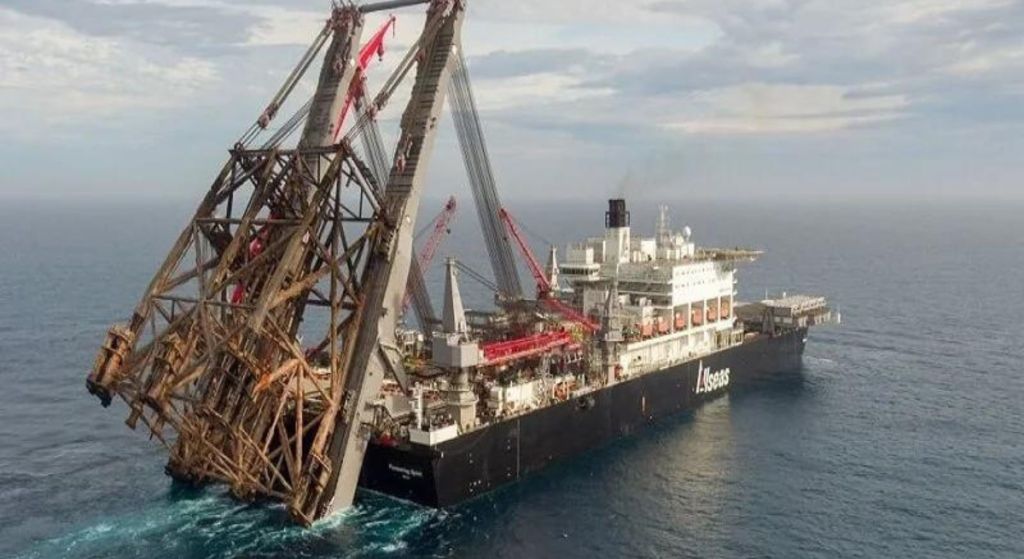
Formerly known as Pieter Schelte, Allseas Group owns the Pioneering Spirit, one of the world’s most giant catamaran crane vessels. This ship is an architectural and engineering masterpiece with dimensions of 382 meters long and 124 meters in breadth.
The Pioneering Spirit was designed for single-lift installation, enabling the removal of enormous oil and gas platforms and the installation of heavy pipelines. Thanks to its eight sets of revolving lifting beams, it can raise jackets weighing up to 20,000 tons and whole topsides weighing up to 48,000 tons. This vessel has revolutionized offshore work, making it safer and more cost-effective.
6. Euronav Oceania
The Euronav Oceania is one of the world’s largest crude oil tankers. This vessel, constructed in 2003 by Daewoo Shipbuilding and Marine Engineering Co. Ltd, boasts impressive dimensions. Under the Belgian flag, it has a carrying capacity of 441,585 tonnes DWT.
With an overall length (LOA) of 380 meters, a breadth of 68 meters, and a draft of 14 meters, the Euronav Oceania is a behemoth on the seas. Its double-hulled design allows it to carry over 3 million barrels of oil. This tanker is a true testament to the scale and capacity of modern shipping vessels.
7. The Allure Of The Seas
Owned by Royal Caribbean International, the Allure of the Seas is an Oasis-class cruise ship that delivers an unparalleled experience for its passengers. With a length of 361 meters and a height of 213 feet from the waterline, this cruise liner is a floating city of luxury and entertainment.
The Allure of the Seas can accommodate up to 5,400 guests in its 2,704 double-occupancy rooms and suites. It features various dining options, theaters, a library, a business center, and a vast fun and youth zone with gaming areas and theme parks. This ship offers a truly unforgettable voyage for its passengers.
8. Vale Brasil
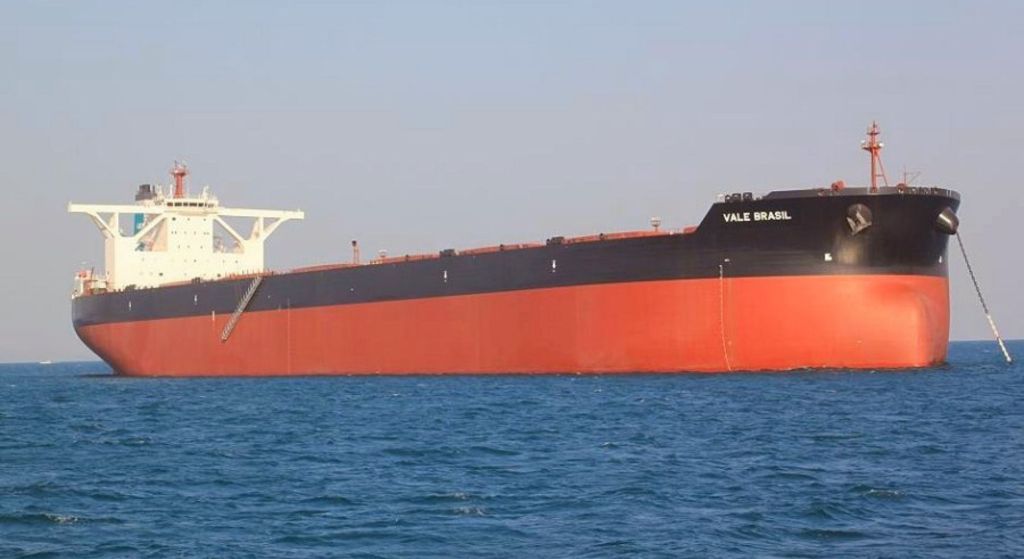
The Vale Brasil, ordered by Vale Shipping in 2009, was launched on December 31, 2010. This bulk carrier surpassed all others in its class at 362 meters in length and 65 meters in width. It has a gross tonnage of 198,980 tonnes and a deadweight (DWT) of 402,347 tons.
Equipped with a single MAN B&W 7S80ME-C8 two-stroke diesel engine, the Vale Brasil sails at an average speed of 15.4 knots. At the 2011 Norwegian Shipping Exhibition, this vessel won the Clean Ship Award for emitting 35% less carbon than older boats of the same size. The Vale Brasil is a testament to the importance of sustainability in the shipping industry.

9. Q-Max Ships
The Q-Max ships, owned by Qatar Gas, are the world’s largest LNG carriers. Constructed by Samsung Heavy Industries and Daewoo Shipbuilding and Marine Engineering, these vessels represent the maximum size that can be accommodated in Qatar’s LNG terminals.
The Q-Max ships are a sight to behold, measuring 345 meters in length, 53.8 meters in breadth, and 34.7 meters in height. Two slow-speed diesel engines power these 266,000 m3 LNG boats. Their onboard re-liquefaction systems reduce LNG loss, providing cost-effective and environmentally friendly benefits.
10. Nimitz-class Aircraft Carriers
Finally, the Nimitz-class aircraft carriers are owned and operated by the US Navy. These nuclear-powered warships have an overall length of 333 meters, a width of 77 meters, and a displacement of over 100,000 tons. They were the most significant aircraft carriers until the USS Gerald R. Ford became operational.
With A4W pressurized water reactors driving four propeller shafts, these carriers can reach up to 30 knots. In addition to their aircraft capacity, they also carry short-range defense weapons for anti-aircraft warfare and missile defense. The Nimitz-class carriers are a symbol of naval power and technological prowess.
The Nimitz-class carriers, named after World War II Pacific Fleet Commander Chester W. Nimitz, are renowned for their immense size and versatility, accommodating a vast array of aircraft, from fighter jets to reconnaissance planes. Their nuclear propulsion systems offer extended operational range and endurance, enabling them to project power across the globe with unparalleled efficiency and speed. These formidable vessels are the cornerstone of the United States Navy’s fleet projection strategy, embodying its commitment to maintaining maritime superiority and safeguarding international security.
The world’s longest ships are a testament to human ingenuity and engineering excellence. From container carriers to supertankers and cruise ships, these vessels push the boundaries of size and capacity. Not only are they marvels of design, but they also incorporate innovative technologies to reduce environmental impact. As the shipping industry evolves, we can expect even more outstanding achievements in constructing these colossal vessels.
The Evolution of Modern Megaships
Advances in engineering, global trade demands, and the pursuit of greater efficiency have driven the evolution of modern mega-ships. These colossal vessels are the epitome of modern maritime technology, designed to transport vast cargo across the world’s oceans. The development of these ships has not only revolutionized the shipping industry but also challenged the limits of naval architecture and logistics.
- Increased Capacity: Megaships are built to carry larger cargo volumes, reducing the number of trips needed and lowering transportation costs.
- Advanced Engineering: Innovations in hull design and propulsion systems have made these ships more fuel-efficient and environmentally friendly.
- Global Trade: The rise of international trade has necessitated the construction of larger ships to meet the demand for goods transportation.
- Infrastructure Adaptation: Ports and shipping channels have had to adapt to accommodate these larger vessels, leading to significant infrastructure investments.
- Economic Impact: Megaships profoundly impact global trade economics, influencing shipping rates and trade patterns.
Technological Marvels: A Closer Look at Mega Containerships
Mega containerships are technological marvels that showcase the latest advancements in maritime engineering. These vessels are designed to optimize space and efficiency, with innovations that make them capable of carrying thousands of containers. The technology behind these ships is crucial in meeting the demands of a growing global economy.
- Containerization: The standardized container system allows for efficient loading, unloading, and transporting of goods, streamlining the supply chain.
- Automation: Many modern containerships have advanced automation systems, including automated cranes and navigation systems.
- Structural Design: The structural integrity of mega containerships is reinforced to withstand harsh sea conditions and heavy loads.
- Sustainability Features: Eco-friendly technologies, such as energy-efficient engines and exhaust scrubbers, reduce the environmental impact of these massive vessels.
- Innovation in Logistics: The sheer size of these ships requires innovative logistics and management systems to ensure smooth operations.
Navigating the Giants: Challenges of Operating the World’s Largest Ships
Operating the world’s largest ships presents unique challenges that require specialized skills and technology. From navigation to port docking, the sheer size of these vessels makes every aspect of their operation more complex and demanding.
- Maneuverability: Navigating large ships in confined spaces, such as ports and narrow channels, requires precise control and advanced navigation systems.
- Crew Training: To manage the particular difficulties involved in operating mega-ships, crew members must complete specific training.
- Port Infrastructure: Not all ports can accommodate these giants, necessitating careful planning and coordination to ensure safe docking.
- Environmental Regulations: Megaships must comply with stringent environmental regulations, requiring the implementation of pollution control measures.
- Maintenance and Safety: With all the wear and tear these ships receive, regular maintenance is essential to their longevity and safety.
Environmental Impact: How the World’s Longest Ships are Going Green
The maritime sector is pressured to lower its carbon footprint as worries about environmental sustainability and climate change intensify. The world’s longest ships are adopting green technologies and practices to minimize their ecological impact.
- Fuel Efficiency: Newer ships are designed to be more fuel-efficient, reducing greenhouse gas emissions.
- Emission Control: Technologies such as exhaust scrubbers and cleaner fuels are used to lower sulfur emissions.
- Alternative Energy: LNG (liquefied natural gas) and hybrid electric systems are two alternative energy sources that several mega-ships are investigating.
- Waste Management: Advanced waste management systems are implemented to handle onboard waste responsibly.
- Eco-Friendly Design: The design of these ships includes features like hull coatings that reduce drag and fuel consumption.
The Future of Maritime Giants: What’s Next for Super-Sized Ships?
Distribution of the Top Ten Longest Ships by Type
The future of maritime giants looks promising, with continued advancements in technology and design. As global trade expands, the demand for larger and more efficient ships is expected to grow, leading to innovations and challenges.
- Bigger Ships: The trend toward building even larger ships will likely continue, with new designs pushing the boundaries of size and capacity.
- Automation and AI: Integrating automation and artificial intelligence will play a significant role in mega-ships future, enhancing efficiency and safety.
- Sustainable Practices: Environmental regulations will drive further innovation in sustainable ship design and operation.
- Global Trade Dynamics: Variations in global trade trends, including the emergence of e-commerce, will impact the need for various kinds of cargo vessels.
- Investment in Infrastructure: Ports and shipping routes will need continued investment to accommodate the next generation of super-sized ships.