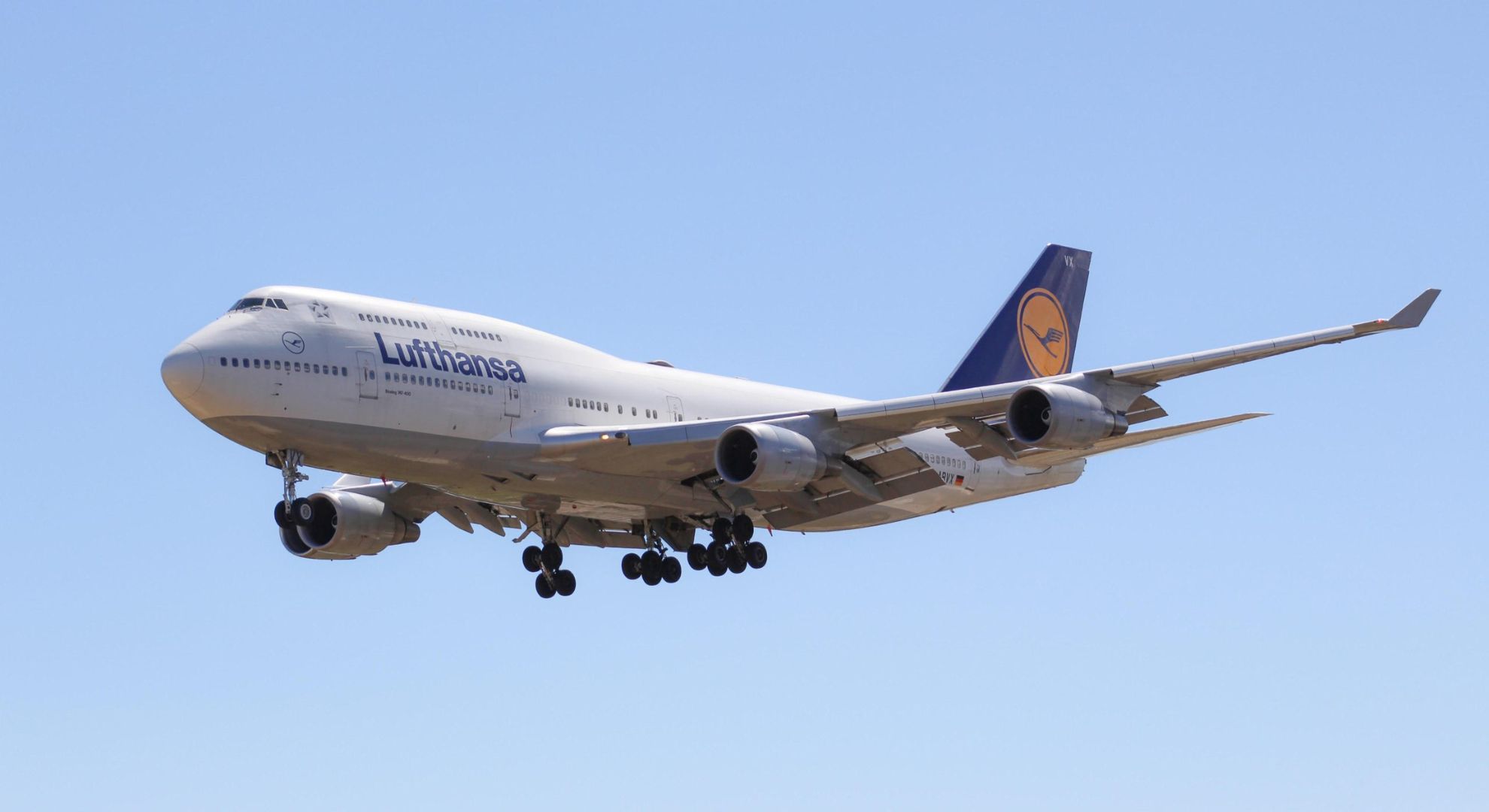

The Boeing 747, affectionately known as the “Queen of the Skies,” is a testament to human ingenuity and engineering prowess. From its colossal size to its distinctive humpbacked design, the 747 revolutionized commercial aviation, setting new standards for passenger comfort, efficiency, and long-distance travel.
The Birth of a Giant Boeing 747
In the late 1960s, Boeing unveiled the 747, marking a pivotal moment in aviation history. Here’s why this iconic aircraft remains a marvel:
Wide-Body Wonder
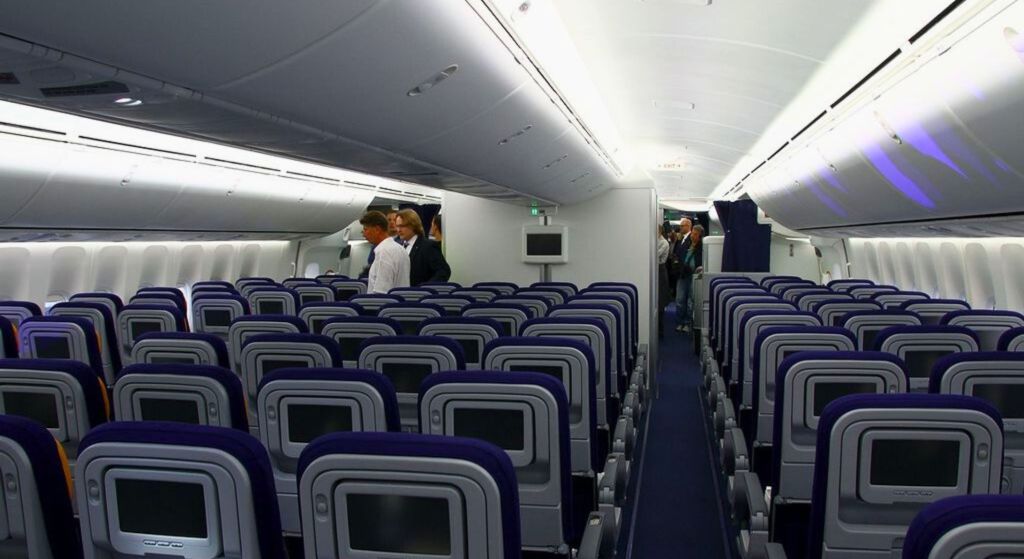
The Boeing 747 was the world’s first wide-body airliner. With two spacious decks, it could carry over 500 passengers twice the capacity of any previous airline. Imagine a football field’s width in wingspan the 747’s wingspan is just that! This sheer size allowed airlines to transport more people efficiently, opening up new possibilities for global travel.
Distinctive Design
The 747’s unmistakable humpbacked profile sets it apart. The upper deck, located towards the front, gives it a unique appearance. This design choice wasn’t just aesthetic; it allowed a nose to be raised during takeoff and landing, granting pilots better visibility. The hump also housed lounges, bars, and even piano bars in some versions, making long flights more enjoyable for passengers.
Jumbo Jet Efficiency
Despite its size, the 747 was remarkably fuel-efficient. Its four powerful engines—mounted under the wings—provided the necessary thrust for long-haul flights. The 747’s range allowed it to connect distant cities, bridging continents and shrinking the world. Airlines could now offer nonstop flights between major hubs, reducing travel time and enhancing convenience.
Cargo and Cargo Again
The 747 wasn’t just for passengers. Its cavernous cargo hold could accommodate massive shipments, from cars to heavy machinery. The “nose door” allowed for easy loading and unloading of oversized cargo. The 747 became a workhorse for freight companies, transporting goods across oceans and continents.
Cultural Icon
The 747’s influence extended beyond aviation. It featured in movies, TV shows, and countless photographs. When Air Force One a modified 747 carries the President of the United States, it symbolizes power and prestige. The 747’s silhouette against the sky became a universal symbol of air travel.
The 747’s Role in Humanitarian Efforts and Disaster Response
The Boeing 747 has been pivotal in transforming commercial aviation and has played a significant role in global humanitarian efforts and disaster response. This section can explore how the aircraft’s vast cargo and long-range capabilities have been utilized to deliver massive amounts of emergency supplies and aid to disaster-hit regions. It could highlight specific instances where 747s were mobilized in response to crises, such as earthquake relief operations or transporting medical supplies during health emergencies.
The End of an Era: Phasing Out the 747
As newer, more fuel-efficient aircraft enter the market, the Boeing 747 is gradually being phased out of commercial service. This section could discuss the factors leading to the retirement of the 747, including economic considerations, advancements in aviation technology, and shifting airline priorities. Additionally, it can cover how some 747s are being repurposed for other roles, such as cargo transport or luxurious private jets, thereby continuing the legacy of this iconic aircraft in new forms.
The Evolution of the Boeing 747
The Boeing 747’s journey began in the 1960s, and its development spanned decades. Let’s explore its evolution:
Early Days and Design Challenges
- In the early design phase, engineers faced a monumental challenge: creating an aircraft that could carry many passengers across long distances.
- The humpbacked design emerged as a solution, allowing for a spacious upper deck and efficient cargo handling.
- The 747’s iconic shape became synonymous with air travel.

Technological Milestones
- The 747 introduced groundbreaking technologies, including high-bypass turbofan engines, advanced avionics, and improved aerodynamics.
- Its range expanded, enabling nonstop flights between continents.
- Over the years, variants like the 747-400 and 747-8 incorporated innovations to enhance performance and reduce environmental impact.
Cultural Impact
- The 747 became a cultural icon, featured in movies, documentaries, and literature.
- Celebrities, politicians, and royalty traveled aboard the Queen of the Skies.
- Its legacy extends beyond aviation—an emblem of human achievement.
Behind the Scenes: Building a Boeing 747
Ever wondered what it takes to construct a Boeing 747? Let’s delve into the fascinating process:
Assembly Line Marvel
- The assembly of a 747 involves intricate choreography. Gigantic sections arrive at Boeing’s assembly plants.
- Skilled technicians meticulously join fuselage sections, wings, and tail components.
- The final assembly resembles a symphony of cranes, welders, and precision tools.
Testing and Certification
- Rigorous testing ensures the 747’s safety and performance. Structural tests simulate decades of flight stress.
- Flight tests involve pushing the aircraft to its limits—stalls, emergency landings, and extreme weather conditions.
- Once certified, the 747 is ready to conquer the skies.

Human Touch
- Despite automation, human craftsmanship remains vital. Painters add the iconic livery, and mechanics fine-tune every system.
- Each 747 carries the dedication of thousands of workers who take pride in their contributions.
- It’s not just a machine; it’s a labor of love.
FAQ’s
1. What is a Boeing 747?
Built and operated by Boeing Commercial Airplanes, the 747 is a big wide-body commercial airliner. It is commonly referred to as the “Jumbo Jet” due to its enormous size and distinctive hump upper deck.
2. How many passengers can a Boeing 747 accommodate?
The seating capacity of a Boeing 747 varies depending on the configuration, but it typically ranges from around 400 to 500 passengers in a typical three-class layout. However, it can carry up to 660 passengers in a high-density configuration.
The Boeing 747 remains etched in our collective memory—a majestic marvel that defied gravity, connected nations, and carried dreams. Looking back at its legacy, we celebrate the engineers, designers, and visionaries who turned an audacious idea into reality. The Queen of the Skies continues to inspire awe, reminding us that the sky’s limits are meant to be challenged.