The maritime world has witnessed countless engineering marvels throughout history, but few can compare to the grandeur and legacy of the Seawise Giant. Once the largest ship ever built, this colossal vessel captivated the imagination with its sheer size and remarkable journey. From its construction in Japan to its tragic sinking during the Iran-Iraq War and its subsequent resurrection as the Jahre Viking, the Seawise Giant’s story is a testament to human ingenuity and the ever-changing tides of the shipping industry.
The Birth of a Giant
In 1979, a Greek shipping magnate commissioned the construction of a groundbreaking vessel. The ship was intend to navigate the vast oceans and transport crude oil from the Middle East to the United States. However, financial constraints prevented the Greek buyer from finalizing the purchase, leading to a fortunate turn of events. The shipyard in Yokosuka, Japan, seized the opportunity and sold the unfinished vessel to the renowned Chinese shipping tycoon C.Y. Tung.
Recognizing the potential of the unfinished vessel, C.Y. Tung envisioned a revolutionary design that would redefine maritime transportation. With innovative engineering and cutting-edge technology, the ship was transformed into the world’s first supertanker, the “Universe Ireland.” This monumental achievement revolutionized the shipping industry and propelled C.Y. Tung’s legacy as a visionary leader in global maritime trade.
A Record-Breaking Marvel
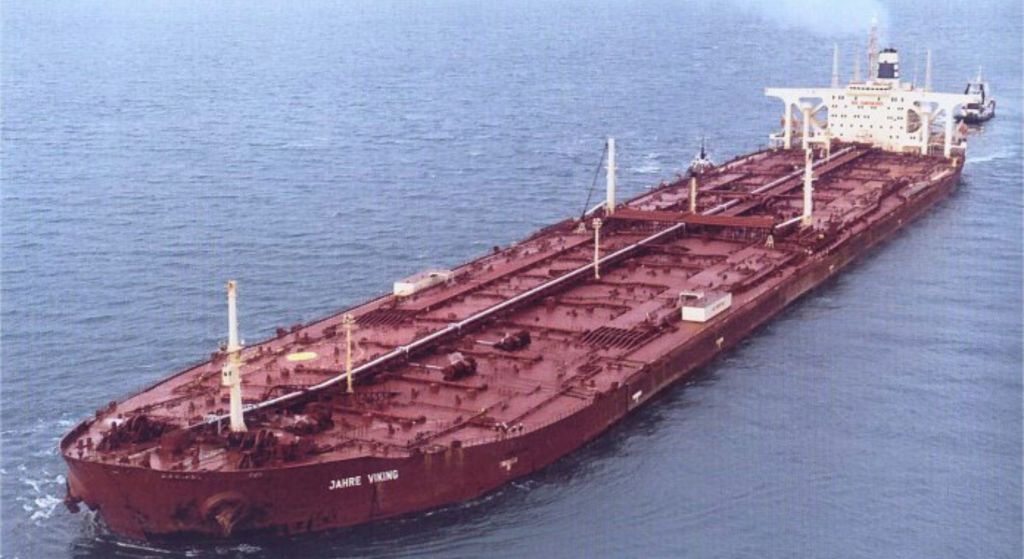
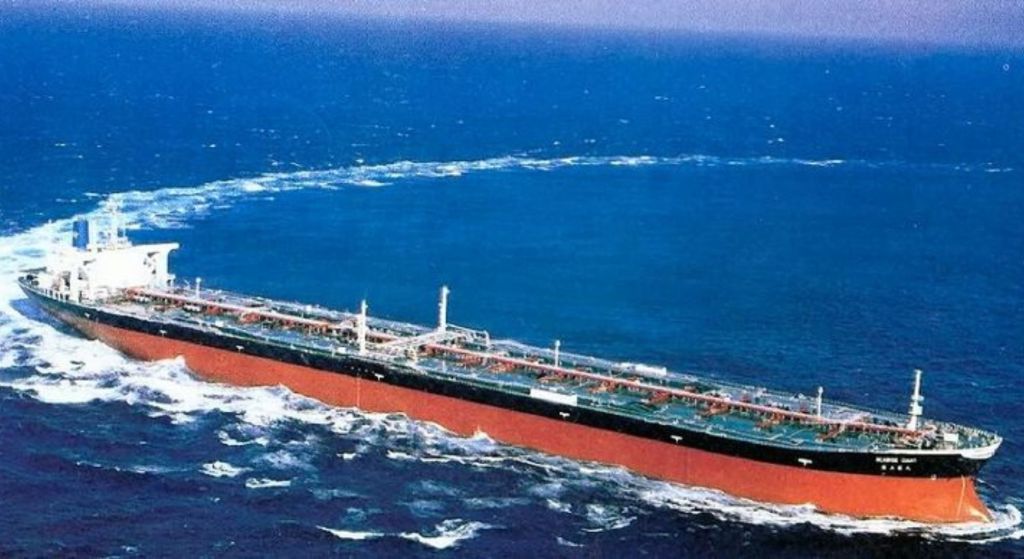
Under the ownership of C.Y. Tung, the ship underwent extensive modifications and was christene the Seawise Giant. This magnificent vessel stretched over 1,500 feet in length, nearly doubling the size of the ill-fated Titanic. Its colossal dimensions included a width of 226 feet and a cargo capacity of 564,763 deadweight tons, making it the largest ship by that measure.
The Seawise Giant was not only massive in size but also boasted impressive features. Its mammoth rudder alone weighed a staggering 230 tons, a testament to the engineering prowess required to control such a behemoth. With its 46 tanks capable of carrying 4 million barrels of crude oil, two propellers, and a deck space of 339,500 square feet, the Seawise Giant was a true titan of the seas.
The Engineering Feats Behind Seawise Giant
The Seawise Giant’s construction and modifications were monumental engineering achievements. The ship’s sheer size demanded innovative solutions to ensure structural integrity and operational efficiency. The massive hull required advanced welding techniques and high-strength steel to withstand the immense pressure and stress during voyages. The ship’s propulsion system, consisting of two powerful engines driving twin propellers, was a marvel in its own right, enabling the vessel to navigate the world’s oceans despite its enormous bulk. The sophisticated ballast system also allowed the Seawise Giant to maintain stability and balance, ensuring safe passage even in rough seas.
Supertankers’ Environmental Impact and Legacy
The Seawise Giant’s immense size and capacity significantly affected the environment and the global shipping industry. While supertankers like the Seawise Giant revolutionized crude oil transportation, they also raised concerns about oil spills and their potential environmental devastation. The sinking of the Seawise Giant during the Iran-Iraq War highlighted the vulnerabilities of such large vessels in conflict zones and the catastrophic impact of oil spills on marine ecosystems. The eventual dismantling of the Seawise Giant also underscored the challenges of disposing of large ships responsibly. Despite these concerns, the legacy of the Seawise Giant paved the way for advancements in tanker design, emphasizing safety, environmental protection, and the need for sustainable maritime practices.
Triumphs and Tragedies at Sea
Following its launch in 1981, the Seawise Giant embarked on a series of oil transport runs between the Middle East and the United States. A monument to human ingenuity and the dogged quest for advancement, it traversed the seas for several years. However, tragedy struck in May 1988 when the ship became entangled in the crossfire of the Iran-Iraq War.
Iraqi planes targeted an Iranian oil platform in the Strait of Hormuz, endangering the nearby vessels, including the Seawise Giant. With its immense size, the ship became an easy target for the attacking aircraft. In the chaos that ensued, the ship succumbed to the flames. He sank into the shallow waters off the coast, joining the ranks of maritime history as the most significant shipwreck ever recorded.
A Phoenix Reborn: The Jahre Viking
The sinking of the Seawise Giant ship seemed to mark the end of its illustrious journey. However, fate had other plans for this majestic vessel. After the Iran-Iraq War ended in 1988, a Norwegian consortium recognized the potential of salvaging the ship. They purchased the wreckage and embarked on an ambitious mission to resurrect the fallen giant.
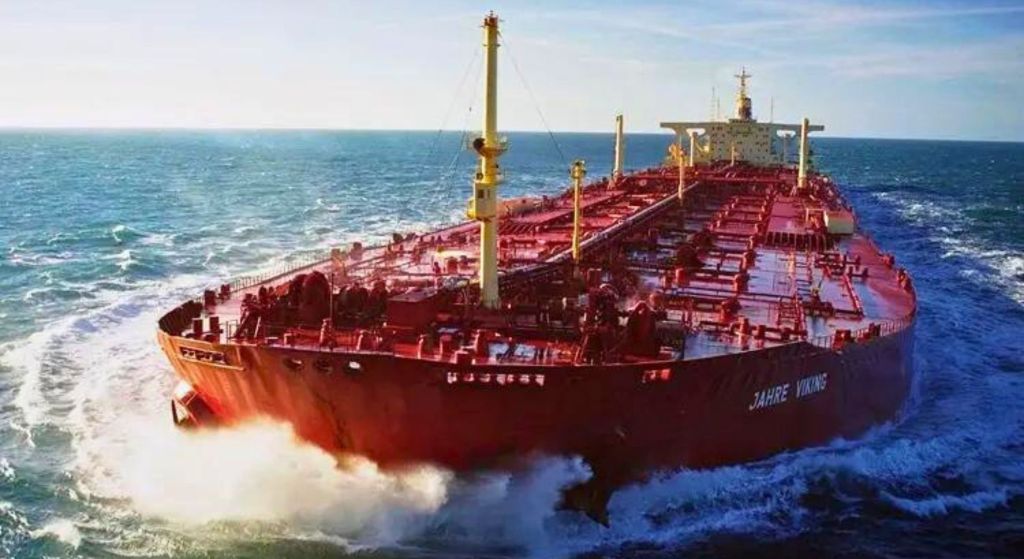
Over two years, the Seawise Giant underwent extensive repairs and renovations in Singapore. Emerging from this transformative process, the ship was given a new lease on life and a new name: the Happy Giant. The vessel’s triumphant return to the seas was short-lived, as Norwegian shipping mogul Jorgen Jahre acquire the ship and rechristen it the Jahre Viking in 1991.
The Challenges of Size and Economics
While the Jahre Viking stood as a testament to human resilience and determination, the realities of the shipping industry soon caught up with the colossal vessel. The economic viability of operating such a massive ship became increasingly challenging. The Jahre Viking’s size posed navigational difficulties, preventing it from traversing the narrow confines of the English Channel and requiring constant vigilance to avoid grounding in shallower waters.
Furthermore, the sheer scale of the Jahre Viking meant that it operated at a loss due to the substantial fuel requirements. The need for more agile and cost-effective vessels became apparent as the shipping industry evolved. Despite its remarkable cargo capacity and once awe-inspiring dimensions, the Jahre Viking’s reign as a practical shipping vessel ended.
A New Role: The Knock Nevis
In 2004, the Jahre Viking found a new purpose under the ownership of First Olsen Tankers. The ship was converted into a stationary storage tanker, catering to the changing needs of the industry. Renamed the Seawise Giant Knock Nevis, the vessel found a permanent mooring in the Al Shaheen Oil Field off the coast of Qatar in the Persian Gulf.
For five years, the Knock Nevis fulfilled its role as a floating storage and offloading vessel. However, even this new chapter in its storied life was not meant to last. Because the oil market was changing and it was hard to keep up with such a vast ship, the Knock Nevis was retire and sent to a scrapyard.
The challenges of navigating through these changes proved too daunting for the colossal vessel, leading to its retirement and eventual journey to a scrapyard. The once-mighty ship, which had weathered numerous chapters in its storied life, now faced its final curtain call as it succumbed to the relentless march of time and industry evolution.

The Final Journey: Mont’s Resolute End
In January 2010, the Knock Nevis embarked on its final voyage to India’s Alang-Sosiya ship-breaking yards. Renamed Mont for this last expedition, the ship faced its ultimate destiny. Dismantling the Seawise Giant turned out to be an arduous task that required the efforts of approximately 18,000 laborers over a year.
A Visionary Design: The Making of a Supertanker
- Conception and Planning: The Seawise Giant was initially conceptualized in the late 1970s by Greek shipping magnates who envisioned a vessel capable of transporting vast quantities of crude oil across the oceans—the design aimed to maximize cargo capacity while maintaining navigational stability.
- Innovative Engineering: The ship’s design included cutting-edge technology for the time, such as advanced hull construction techniques and a sophisticated ballast system. These innovations were crucial in managing the vessel’s immense size and weight, ensuring it could withstand the rigors of long voyages.
- Challenges in Construction: Building the Seawise Giant required overcoming significant challenges, including sourcing high-strength materials and developing new methods for assembling such a large structure. The shipyard in Yokosuka, Japan, was pivotal in bringing this visionary project to life.
From Shipyard to Open Seas: The Seawise Giant’s Early Years
Seawise Giant: An Engineering Marvel
- Initial Launch and Trials: After its completion in 1979, the Seawise Giant underwent rigorous sea trials to test its seaworthiness and performance. Despite its colossal size, these trials highlighted the ship’s impressive handling and fuel efficiency.
- Maiden Voyage: The vessel’s inaugural trip became essential to the global oil transportation scene. It became the go-to method for transporting crude oil from the MENA region to many places, including Europe and the US, very fast.
- Operational Success: The Seawise Giant’s early years were marked by successful voyages and a growing reputation for reliability. Its ability to carry up to 4 million barrels of crude oil in a single trip made it an invaluable asset in the global shipping industry.
Navigating the High Seas: Operational Challenges and Innovations
- Size-Related Challenges: The Seawise Giant’s sheer size posed unique navigation and docking challenges. The ship required specially designed ports and berths to accommodate its length and draft, limiting the number of destinations it could reach.
- Technological Innovations: To overcome these challenges, the ship was equipped with state-of-the-art navigational aids and communication systems. These technologies enabled precise maneuvering and coordination with port authorities, enhancing safety and efficiency.
- Crew Training and Expertise: Operating such a massive vessel required a highly skilled crew. Specialized training programs were developed to equip the crew with the knowledge and skills to manage the ship’s complex systems and handle emergencies.
The Seawise Giant’s Encounter with War and Adversity
- Caught in Conflict: In 1988, the Seawise Giant was caught in the crossfire of the Iran-Iraq War while anchored in the Strait of Hormuz. Iraqi forces targeted the ship, causing severe damage and leading to its sinking.
- Impact of the Attack: Large commercial vessels are especially susceptible to attack in crisis zones, as the Seawise Giant incident demonstrated. The incident demonstrated the necessity for improved security measures and closer cooperation with military forces to safeguard essential shipping channels.
- Salvage and Repair: Despite the extensive damage, efforts were made to salvage the Seawise Giant. The ship was towed to Singapore, undergoing extensive repairs and renovations, ultimately allowing it to return to service.
From Wreckage to Revival: The Restoration of a Maritime Titan
- Salvage Operation: The salvage operation for the Seawise Giant was one of the most ambitious in maritime history. It involved refloating the vessel and assessing the damage’s extent to determine the repair’s feasibility.
- Extensive Renovations: The ship underwent comprehensive renovations, including replacing damaged sections and upgrading critical systems. These efforts restored the vessel to seaworthiness and improved its performance and efficiency.
- Renaming and Rebranding: Upon its successful restoration, the ship was renamed the Happy Giant and later the Jahre Viking, symbolizing its rebirth and return to the maritime world. The vessel’s new identity marked a fresh chapter in its storied history.
The Evolution of Supercarriers: Seawise Giant’s Place in History

- Pioneering Design: The Seawise Giant’s design set new supercarrier benchmarks, influencing subsequent shipbuilding projects. Its innovations in hull design, cargo capacity, and propulsion systems became standard features in constructing large tankers.
- Role in the Oil Industry: As one of the largest supertankers, the Seawise Giant played a crucial role in the global supply chain. Its ability to transport massive quantities of crude oil efficiently contributed to the economic viability of long-distance oil trade routes.
- Legacy and Influence: The Seawise Giant’s legacy continues to influence modern shipping practices and maritime engineering. Its story is a testament to human ingenuity and the relentless pursuit of innovation in the face of challenges.
Legacy and Lessons: The Impact of Seawise Giant on Modern Shipping
- Advancements in Safety: The Seawise Giant’s operational history and encounters with adversity led to significant advancements in maritime safety protocols. These include better crew training, improved ship design, and enhanced emergency response measures.
- Environmental Considerations: The environmental impact of supertankers like the Seawise Giant prompted stricter regulations on oil transportation and spill prevention. The industry’s focus shifted towards sustainability and minimizing ecological footprints.
- Inspirational Legacy: The Seawise Giant remains an iconic symbol of maritime history, inspiring future generations of shipbuilders and naval professionals. Its story serves as a reminder of the challenges and triumphs associated with pushing the boundaries of engineering and exploration.
The legacy of the Seawise Giant lives on in the annals of maritime history. It is a testament to human ambition and engineering prowess, forever etched in the minds of those who witnessed its grandeur. Even though the ship’s parts have been taken apart, the story of the Seawise Giant continues to amaze and inspire people with the great things that happen on its long trip.
FAQ’s
1. What is a Seawise Giant?
Seawise Giant, formerly known as the Knock Nevis, was the largest supertanker ever built. It was use for transporting oil and was in service from 1979 to 2010.
2. How big was Seawise Giant?
Seawise Giant had a length of 1,504 feet (458.45 meters) and a width of 226 feet (68.9 meters). It had a gross tonnage of 260,941 tons.
3. Who owned Seawise Giant?
Various companies owned Seawise Giant throughout its lifetime. It was initially held by the Norwegian company Jorgen Jahre Shipping and later passed through different ownerships.
4. What was the capacity of Seawise Giant?
Seawise Giant had a maximum carrying capacity of approximately 564,763 tons of oil. It could hold around 4.1 million barrels of oil.
5. Where was Seawise Giant built?
Seawise Giant was built in 1979 at Japan’s Sumitomo Heavy Industries yard. It was construct for Oppama Shipping and was initially name the “Oppama.”
6. Why was Seawise Giant renamed?
Seawise Giant went through multiple name changes throughout its life. It was rename several times to reflect the changing ownership. The name “Seawise Giant” was given after the ship was sold to a Greek company called Ceres Hellenic Shipping Enterprises.
7. What happened to Seawise Giant?
Seawise Giant was eventually sold for scrap in 2009 due to its age and the declining demand for supertankers. It was dismantl in 2010 in Alang, India, ending its long and illustrious career.
The Seawise Giant, with its record-breaking size and remarkable journey, captured the world’s imagination. From its construction in Japan to its tragic sinking during the Iran-Iraq War and its subsequent reincarnation as the Jahre Viking, the Seawise Giant’s story is a testament to human ingenuity and the ever-changing tides of the shipping industry. Though the physical remains of the ship have been dismantl, its legacy lives on, forever etched in the annals of maritime history. The Seawise Giant will continue inspiring awe and admiration for generations.