
The Tale of Northrop YF-23: A Stealth Fighter’s Journey
In the late 1980s, the United States Air Force found itself in a tight spot. The Cold War was at its peak, and the Soviet Union was developing advanced aircraft that could pose a real threat. To stay ahead, the U.S. needed a new fighter jet that was fast, stealthy, and capable of dominating the skies. This challenge sparked the birth of the Advanced Tactical Fighter (ATF) program, and with it, a competition between two of the biggest names in aviation: Northrop and Lockheed Martin.
Northrop’s Bold New Idea: The YF-23
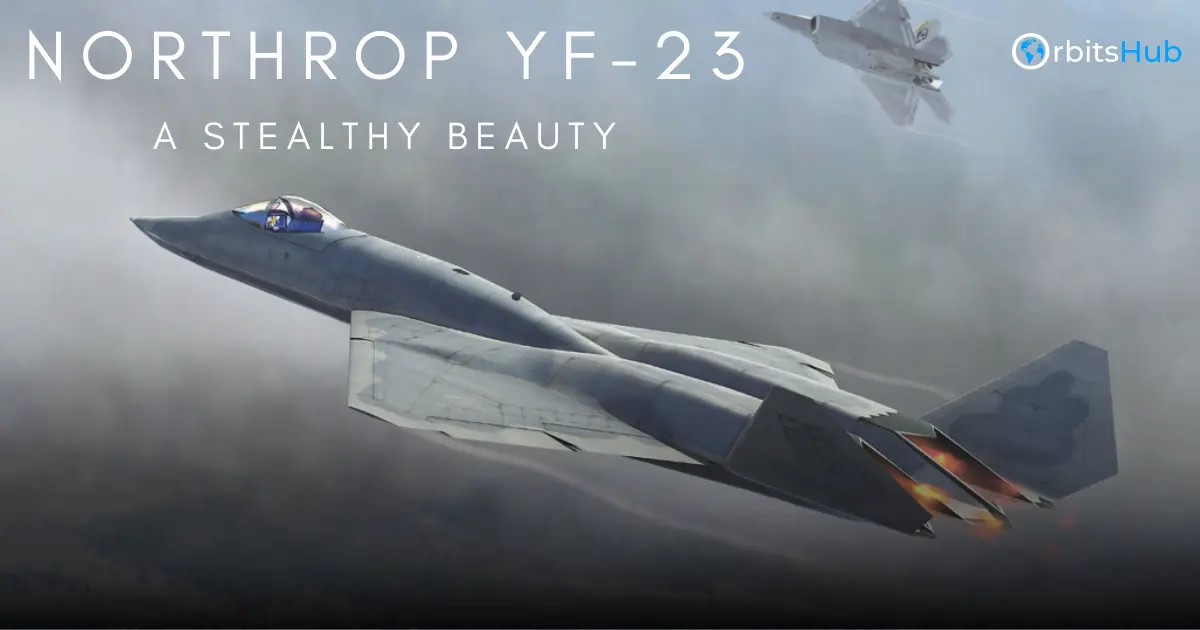
Northrop, a company known for its innovation, teamed up with McDonnell Douglas to create a fighter jet that would push the boundaries of technology. They called it the YF-23. This aircraft didn’t look like any fighter jet seen before. It had diamond-shaped wings, a smooth, blended body, and a V-tail that made it stand out. But this design wasn’t just about looks; it was about making the jet nearly invisible to radar.
- Why It Was Needed: The U.S. Air Force needed a new fighter to outmatch Soviet threats.
- Northrop’s Approach: They designed the YF-23 with stealth and speed as the top priorities.
- Unique Features: The YF-23’s diamond-shaped wings and V-tail were key to its stealth capabilities.
The Competition Heats Up
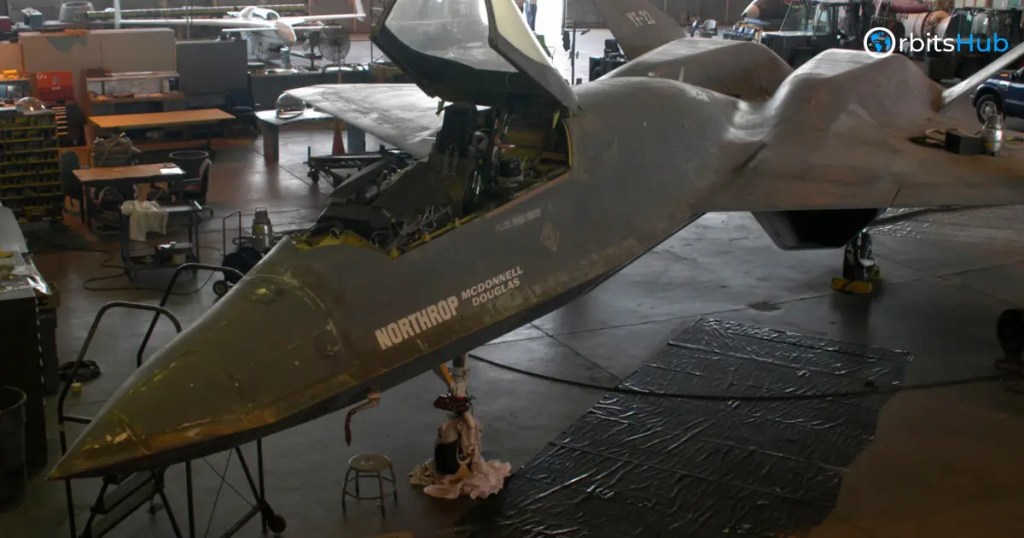
The YF-23 wasn’t the only jet in the race. Lockheed Martin entered the competition with their own design, the YF-22. While the YF-22 focused on being agile and excellent in dogfights, Northrop’s YF-23 had a different strategy: it aimed to strike before the enemy even knew it was there. This difference set the stage for an intense showdown between two of the most advanced fighter jets ever built.
- Lockheed Martin’s Rival: The YF-22 was Northrop’s main competitor, focusing on agility.
- Different Strategies: While the YF-22 was about dogfighting, the YF-23 prioritized stealth and speed.
Technological Marvels of the YF-23
One of the most fascinating things about the YF-23 was how stealthy it was. Its design made it extremely hard to detect on radar. The smooth surfaces, hidden weapons, and lack of vertical tail fins all contributed to this. But stealth wasn’t the only thing the YF-23 had going for it. It was also incredibly fast, thanks to its powerful engines, which allowed it to supercruise – a term meaning it could fly at supersonic speeds without using afterburners.
- Stealth Design: The YF-23’s shape and surface materials made it difficult to spot on radar.
- Speed and Power: The aircraft could reach high speeds without needing afterburners, a huge advantage in air combat.
Testing the Limits
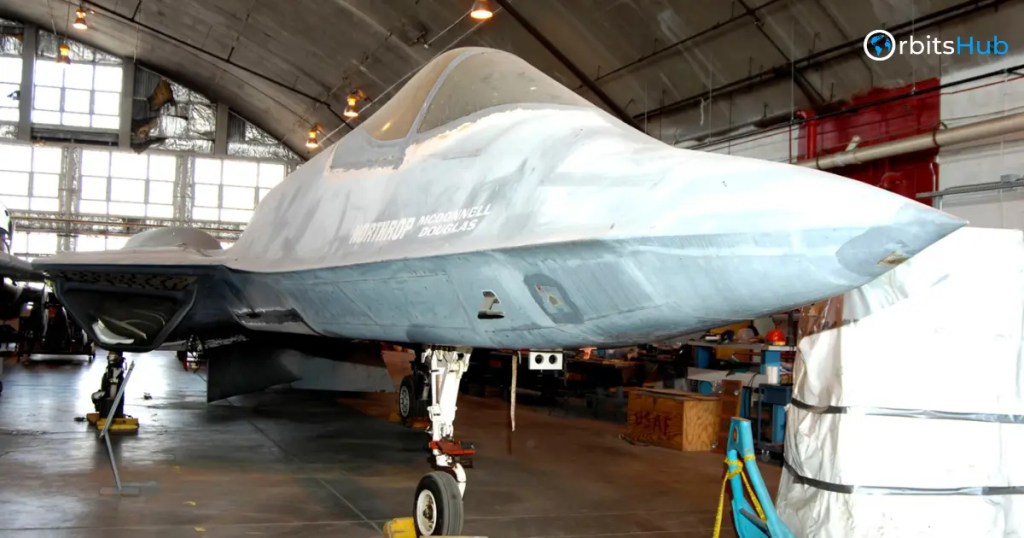
As the competition progressed, the YF-23 was put through a series of rigorous tests. Two prototypes were built, each with its own nickname: “Black Widow II” and “Gray Ghost.” These aircraft performed exceptionally well, meeting or even exceeding the expectations set by the Air Force. Despite its impressive performance, the YF-23 faced tough competition from the YF-22. In the end, the YF-22’s agility and versatility won out, and it was chosen as the winner of the ATF program.
- Flight Tests: The YF-23 prototypes were tested for speed, stealth, and maneuverability.
- The Outcome: Despite its strengths, the YF-23 was not selected as the winner of the competition.
The Legacy of the YF-23

Even though the YF-23 didn’t win, its story didn’t end there. The aircraft’s design and technology influenced future stealth aircraft, including the F-35 and B-2 Spirit. The lessons learned from the YF-23 and its competition with the YF-22 helped shape the future of fighter jets. Today, the YF-23 is remembered as a symbol of innovation and what could have been.
- Influence on Future Aircraft: The YF-23’s design inspired other stealth planes.
- A Lasting Symbol: The YF-23 remains a favorite among aviation enthusiasts and historians.
Why the YF-23 Still Matters
The YF-23 may not have seen active service, but its impact on aviation is undeniable. It proved that a fighter jet could be both stealthy and fast without compromising on performance. This balance of stealth and speed is now a standard in modern fighter design. The YF-23 also taught the aerospace industry valuable lessons about the importance of balancing different features in a fighter jet.
- Stealth and Speed: The YF-23 showed that these two qualities could coexist in a fighter jet.
- Industry Lessons: The competition highlighted the need to balance stealth, speed, and agility in aircraft design.
The Unfulfilled Potential
Had the YF-23 been selected, it could have revolutionized how air combat was conducted. Its combination of stealth and speed would have given the U.S. Air Force an edge in achieving air dominance. The advanced technologies developed for the YF-23 could have accelerated the progress of military aviation, pushing the boundaries even further.
- What Could Have Been: The YF-23 might have changed the course of aerial warfare.
- Technological Impact: The innovations from the YF-23 could have influenced other areas of military technology.
A Cultural Icon of the YF-23
Beyond its technical achievements, the YF-23 has also left a mark on popular culture. It has appeared in video games, movies, and TV shows, often depicted as a symbol of futuristic military technology. This cultural presence helps keep the memory of the YF-23 alive, reminding us of its place in aviation history.
- Pop Culture: The YF-23 has appeared in various media, adding to its legacy.
- Enduring Appeal: The aircraft continues to fascinate aviation enthusiasts and the general public alike.
The Northrop YF-23 is a remarkable aircraft that deserves to be remembered. Its advanced design, stealth capabilities, and powerful engines made it a serious contender in the ATF competition. Although it didn’t win, the YF-23’s influence on future aircraft design and its lasting impact on aviation history ensure that it will not be forgotten.



Comment(01)