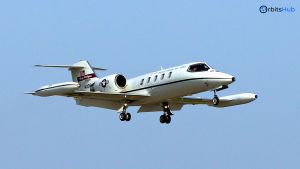
The Lockheed P-3 Orion is a legendary four-engine turboprop aircraft that has been a mainstay in military aviation for over six decades. Initially designed for the US Navy as a long-range, anti-submarine warfare (ASW) platform, the Orion’s impressive capabilities have seen it adapted for a wide range of military operations worldwide.
From Electra to P-3 Orion: A Sea Change
The P-3 Orion’s origins lie in the Lockheed L-188 Electra, a successful commercial airliner that first took flight in the late 1950s. Recognizing the Electra’s potential for maritime patrol duties, the US Navy commissioned Lockheed to develop a specialized variant. The resulting aircraft, designated the P-3 Orion, incorporated a strengthened fuselage, advanced avionics, and a magnetic anomaly detector (MAD) for submarine detection. Lockheed Martin (Lockheed’s successor) updated and varied the P-3 platform, creating many mission-specific versions.
The Many Hats of the P-3 Orion
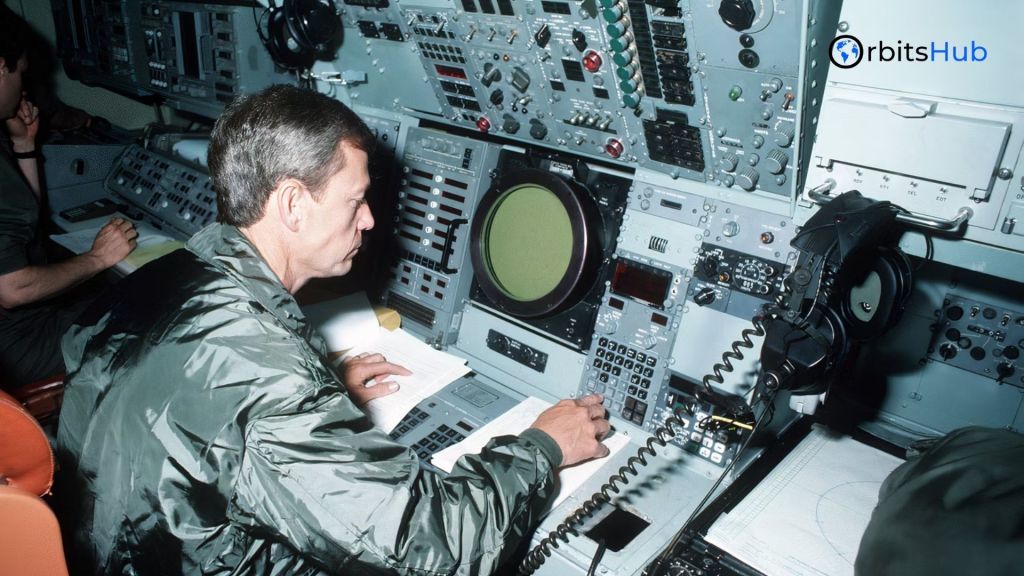
The P-3 Orion’s versatility is perhaps its most defining characteristic. While its core focus remains anti-submarine warfare, the aircraft has been adapted for various other roles, including:
- Anti-Surface Warfare (ASUW): Equipped with sophisticated radars and weapons systems, the P-3 can track and engage enemy surface vessels, protecting vital sea lanes and deterring aggression.
- Electronic Warfare (EW): Certain P-3 variants boast advanced electronic warfare suites, allowing them to disrupt enemy communications, jam radars, and gather valuable intelligence.
- Search and Rescue (SAR): The P-3 Orion’s long-range and extensive sensor capabilities make it ideal for search and rescue operations over vast ocean areas. It can locate distressed vessels and personnel, relaying crucial information to rescue teams.
- Maritime Surveillance: It plays a vital role in patrolling territorial waters, monitoring shipping activity, and enforcing maritime laws. Its robust sensors can detect illegal fishing, smuggling operations, and other suspicious activities.
Why the P-3 Orion Endures
The P-3 Orion’s continued relevance in the 21st century can be attributed to several factors:
- Versatility: As mentioned earlier, the P-3’s adaptability to various missions makes it a cost-effective and valuable asset for any military.
- Range and Endurance: The P-3 boasts an impressive operational range, allowing it to patrol vast areas and remain airborne for extended periods. This is particularly important for missions in remote locations.
- Proven Reliability: As a reliable and tough plane, the P-3 Orion deserves its stellar reputation. It works reliably in harsh climates and needs little upkeep.
The P-3 Orion: A Versatile Asset in Military Operations
The four-engine turboprop P-3 Orion has been a workhorse of military aviation for almost sixty years; it is easily identifiable by its long nose and magnetic anomaly detector (MAD) boom. Initially designed for the US Navy as a long-range, anti-submarine warfare (ASW) platform, the Orion’s impressive capabilities have seen it adapted for various military operations.
From Electra to Guardian of the Seas
The P-3 Orion’s story begins in the 1950s with the successful commercial airliner Lockheed L-188 Electra. Recognizing the Electra’s potential for maritime patrol duties, Lockheed proposed a militarised version to the US Navy. The resulting aircraft, the P-3 Orion, took its first flight in 1959, marking the beginning of a legendary career.
The P-3 Orion’s Arsenal: A Multifaceted Approach to Maritime Operations
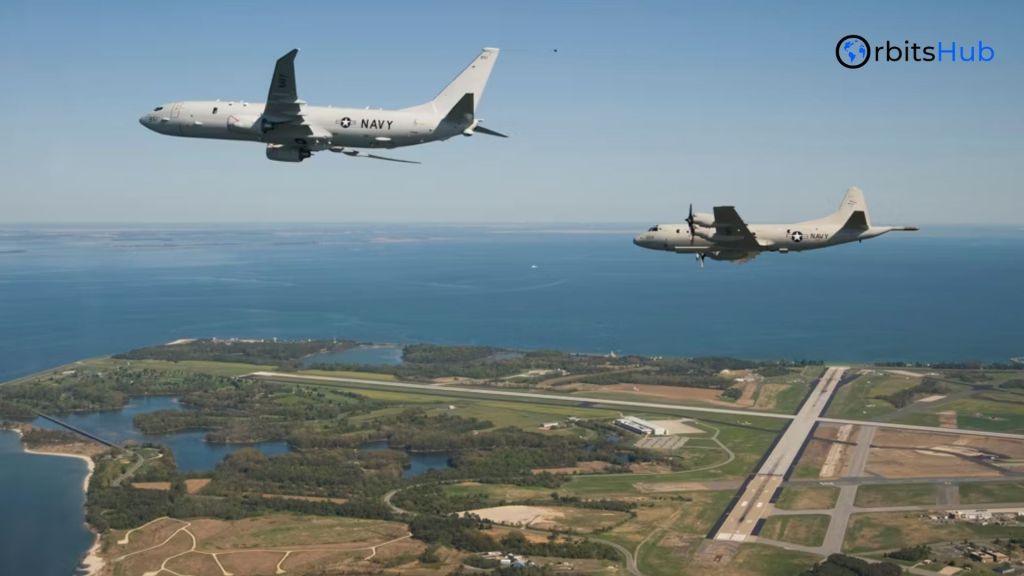
The versatility stems from its extensive suite of sensors and equipment, allowing it to excel in various missions. Let’s delve into some of its key functionalities:
- Anti-Submarine Warfare (ASW):
- The P-3 Orion’s original purpose. It boasts a powerful magnetic anomaly detector (MAD) to locate submarines lurking beneath the surface. Additionally, sonobuoys dropped by the Orion can detect and track submarine sonar emissions. These capabilities and torpedo and depth charge deployment options make the Orion a formidable ASW platform.
- Surface Warfare: The Orion’s advanced radar systems allow for wide-area surveillance of surface vessels. They can identify and track ships, aiding in fleet protection, anti-piracy operations, and search-and-rescue missions.
- Electronic Intelligence (ELINT): The P-3 can be equipped with sophisticated electronic intelligence gathering (ELINT) suites. These systems can detect and analyze enemy radar emissions, providing valuable intel on their locations and capabilities.
- Intelligence, Surveillance, and Reconnaissance (ISR): The Orion’s long endurance and robust sensors make it ideal for ISR missions. It can gather vital information over vast areas, providing crucial data for tactical decision-making.
The P-3 Orion stands as a testament to innovative engineering and adaptability. For over 60 years, it has served as the backbone of maritime patrol operations for numerous countries. As newer platforms like the P-8 Poseidon gradually take over some of its roles, the Orion will likely remain in service for many years, a true legend of the skies and a guardian of the seas.
Are you considering a career in the maritime or aviation industry? OrbitsHub, a leading marine and aviation consultancy, offers a wealth of resources and expertise to help you navigate your career path. Explore our website link for more information and how we can help you reach your goals!