From Natural Harbor to Modern Marvel
Nature gifted Miami with a protected harbor, but it took human determination to sculpt it into the powerhouse it is today. In the early 1900s, dredging operations began to deepen the harbor, setting the stage for larger vessels and increased trade. This transformation from a shallow bay to a deep-water port marked the beginning of Miami’s ascent as a maritime giant.
Key Milestones in Port Development
The Port’s evolution is punctuated by several pivotal moments. The 1960s saw a surge in containerization, revolutionizing cargo handling. The cruise industry boom of the 1970s and 80s cemented Miami’s reputation as the “Cruise Capital of the World.” Each decade brought new challenges and opportunities, shaping the Port into its current form.
The Cruise Industry’s Crown Jewel

When you think of cruising, Miami inevitably comes to mind. The Port of Miami has earned its moniker as the Cruise Capital of the World through decades of innovation and unparalleled service.
Record-Breaking Passenger Numbers
Year after year, the Port of Miami shatters its own passenger records. In recent years, it’s not uncommon for the Port to welcome over 5 million cruise passengers annually. This staggering figure isn’t just a number—it represents millions of vacations, memories, and economic contributions to the region.
State-of-the-Art Cruise Terminals
The Port’s cruise facilities are nothing short of spectacular. Modern terminals equipped with the latest technology ensure smooth embarkation and disembarkation processes. These structures aren’t just functional—they’re architectural marvels that serve as gateways to adventure for millions of travelers.
Cargo Operations: Powering Florida’s Economy
While cruise ships may be the Port’s most visible feature, cargo operations form the backbone of its economic impact.
Container Traffic and Trade Routes
The Port of Miami serves as a vital link in global trade networks. For trade between North America, Latin America, and the Caribbean, it is the best place to go because of its position. The constant flow of containers through the Port fuels businesses across Florida and beyond.
Cutting-Edge Technology in Cargo Handling
Efficiency is the name of the game in modern cargo operations. The Port of Miami stays ahead of the curve with state-of-the-art cranes, automated guided vehicles, and advanced tracking systems. These technological marvels ensure that cargo moves swiftly and securely from ship to shore and beyond.
Environmental Initiatives and Sustainability
In a time when people are becoming more aware of the environment, the Port of Miami takes its environmental duties very seriously.
Green Port Practices
The Port has implemented a range of initiatives to reduce its environmental footprint. These include shore power capabilities for docked ships, LED lighting upgrades, and the use of electric vehicles for port operations. These efforts not only benefit the environment but also improve the Port’s operational efficiency.
Balancing Growth with Ecological Responsibility
Expanding port operations while preserving the delicate ecosystem of Biscayne Bay presents a unique challenge. The Port’s commitment to sustainability is evident in its careful dredging practices, habitat restoration projects, and ongoing environmental monitoring programs.
Economic Impact on South Florida
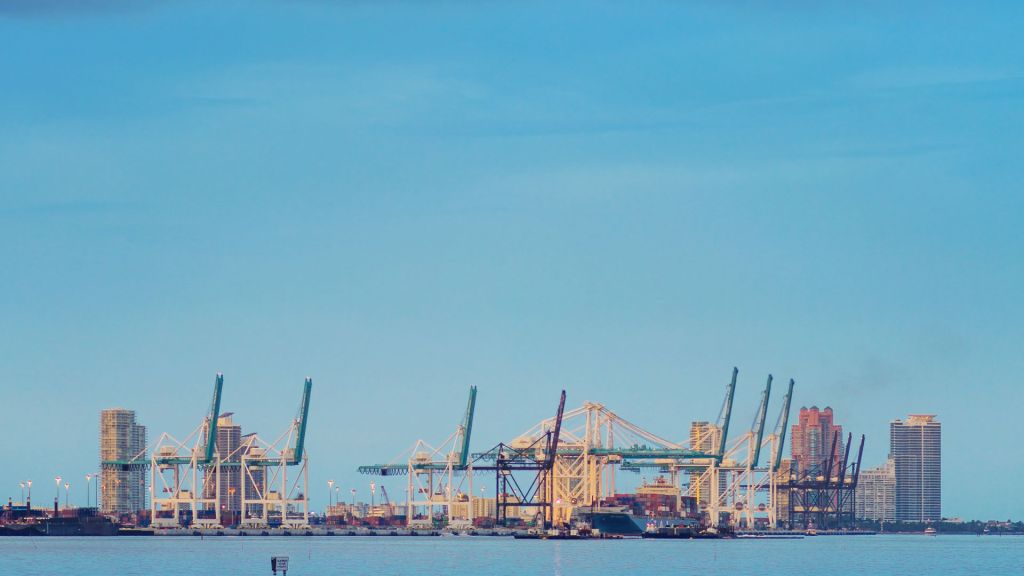
The Port of Miami isn’t just a maritime facility—it’s an economic engine driving prosperity across South Florida.
Job Creation and Local Business Boost
Thousands of jobs, both direct and indirect, owe their existence to the Port. From longshoremen to tour operators, the Port’s influence on the local job market is profound. A lot of different companies in the area are also helped by the large number of goods and tourists.
Tourism Dollars and Beyond
Cruise passengers inject millions of dollars into the local economy through pre- and post-cruise stays, dining, and shopping. However, the Port’s economic impact extends far beyond tourism. Its role in facilitating trade supports businesses across various sectors, from agriculture to high-tech industries.
Infrastructure and Expansion Projects
To maintain its competitive edge, the Port of Miami continuously invests in infrastructure improvements and expansion projects.
Deep Dredge Project
One of the most significant recent improvements is the Deep Dredge project. By deepening the harbour to 50-52 feet, the Port can now accommodate the largest container vessels in the world. This capability positions Miami as a major player in the post-Panamax shipping era.
Port Miami 2035 Master Plan
Looking to the future, the Port Miami 2035 Master Plan outlines a vision for continued growth and improvement. This all-encompassing plan includes everything from building new cruise terminals to improving cargo facilities. It will keep the Port at the top of the maritime business.
Challenges and Future Outlook
Despite its successes, the Port of Miami faces its share of challenges in an ever-changing global landscape.
Navigating Global Economic Shifts
As international trade patterns evolve, the Port must remain agile. Shifts in manufacturing centers, changes in consumer behavior, and geopolitical events all have the potential to impact cargo volumes. The Port’s diversified approach to both cruise and cargo operations helps mitigate these risks.
Adapting to Climate Change
Because the sea level is rising and weather is getting worse, coastal infrastructure is having a hard time. The Port is taking proactive measures to enhance its resilience, including elevating critical facilities and strengthening sea walls.
The Port’s Role in Miami’s Cultural Landscape
The Port of Miami is very important to the city’s character and culture, and it’s not just for economic reasons.
Maritime Heritage and Community Engagement
The Port celebrates Miami’s rich maritime history through various community programs and events. These initiatives foster a sense of pride and connection between the Port and the people it serves.
Architectural Landmarks and City Skyline
The Port’s modern cruise terminals and cargo facilities have become iconic elements of Miami’s skyline. These buildings are a visual memory of the city’s role as a major maritime hub for the world.
Security Measures and Safety Protocols
In today’s world, port security is paramount. There are several ways that the Port of Miami makes sure that passengers, workers, and cargo are safe.
Cutting-Edge Maritime Security
Advanced screening technologies, coordinated law enforcement efforts, and comprehensive emergency response plans form the cornerstone of the Port’s security strategy. These measures provide peace of mind for travelers and stakeholders alike.
Passenger and Cargo Safety Innovations
From contactless check-in processes for cruise passengers to sophisticated cargo tracking systems, the Port continuously innovates to enhance safety and efficiency.
Competitive Edge: Miami vs. Other U.S. Ports

What sets the Port of Miami apart from other major U.S. ports? Several factors contribute to its unique position in the maritime landscape.
Strategic Geographic Location
Miami’s position as the southernmost major port on the U.S. East Coast gives it a distinct advantage. It serves as the first port of call for many ships coming from the Panama Canal and offers the fastest routes to many Caribbean and Latin American destinations.
Multimodal Transportation Links
The Port’s seamless connections to rail, road, and air transportation networks enhance its efficiency and appeal. The ability to quickly move goods from ship to final destination is a crucial factor in the Port’s success.
The Port of Miami stands as a shining example of what’s possible when vision, innovation, and dedication converge. Its impact extends far beyond the waterfront, touching lives and businesses across Florida and beyond. As the maritime industry continues to evolve, the Port of Miami is well-positioned to remain at the forefront, driving economic growth and connecting people and goods across the globe. Its story is far from over—each day brings new opportunities for growth, innovation, and success in this dynamic maritime hub.