Imagine a flying command centre with a watchful eye that sees for hundreds of kilometres. This isn’t science fiction; it’s the reality of AWACS (Airborne Warning and Control System) aircraft. These game-changers revolutionized modern warfare by giving militaries an unprecedented advantage. We’ll delve into how AWACS Aircraft work, their impact on the battlefield, and why they’re a force to be reckoned with in the skies. From early warning to decisive action, AWACS are the ultimate guardians of airspace.
Understanding AWACS: The All-Seeing Eye
An AWACS aircraft is a flying radar station. Equipped with powerful radars and sophisticated computer systems, it can detect and track friendly and enemy aircraft, missiles, and ships over a massive range. This information is then presented to the crew onboard in a real-time tactical display, creating a comprehensive picture of the entire battlespace.
How AWACS Works: From Detection to Domination
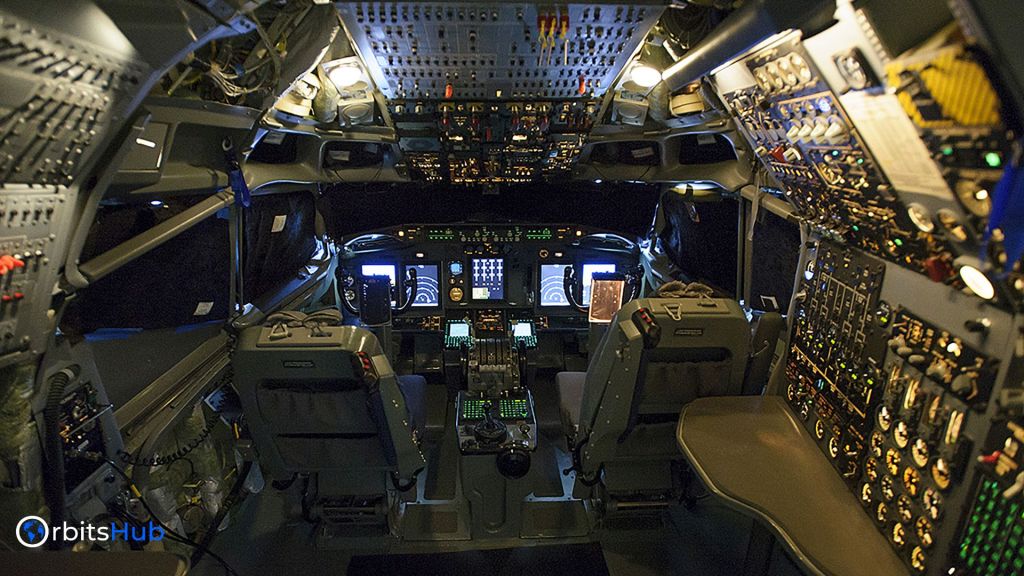
Here’s a breakdown of the critical functionalities of an AWACS aircraft:
- Long-Range Detection: AWACS radars have an incredible reach, allowing them to spot enemy aircraft hundreds of kilometres away, even when flying low or trying to hide behind terrain.
- 360-Degree Coverage: Unlike traditional ground-based radars, AWACS Aircraft can scan the entire airspace around them, providing a complete picture of the battlefield.
- Identification and Tracking: AWACS can detect objects and identify them as friendly or hostile using IFF (Identification Friend or Foe) technology. It can also track their movements, predicting their trajectories and intentions.
- Communication Hub: Aviation, ground forces, and command centers rely on AWACS for communication. This helps everyone see the battlefield and coordinate their activities.
The Impact of AWACS: From Defense to Decisive Advantage
The capabilities of AWACS aircraft have a profound impact on modern warfare in several ways:
- Enhanced Situational Awareness: AWACS provides commanders a real-time, comprehensive view of the battlefield, giving them a significant advantage in planning and executing strategies.
- Improved Air Defense: Early detection of enemy aircraft allows for faster interception and neutralization of threats, protecting friendly forces and critical infrastructure.
- Force Coordination: Air, ground, and naval troops can communicate and coordinate better using AWACS, improving military reaction.
- Reduced Collateral Damage: Pilots can make more informed decisions with a clearer picture of the battlefield, minimizing the risk of civilian casualties and unintended damage.
- Deterrence Factor: The mere presence of an AWACS aircraft can act as a deterrent to enemy aggression. Knowing their movements are constantly monitored can discourage hostile actions.
The Future of AWACS: Continuous Evolution
AWACS technology is constantly evolving. Newer models boast even greater range, improved detection capabilities for low-observable aircraft (stealth technology), and advanced data processing systems that can analyze and interpret the vast amount of information collected in real time. Additionally, the integration of artificial intelligence is being explored to enhance decision-making and threat identification further.
AWACS vs. Fighter Jets: Understanding the Differences
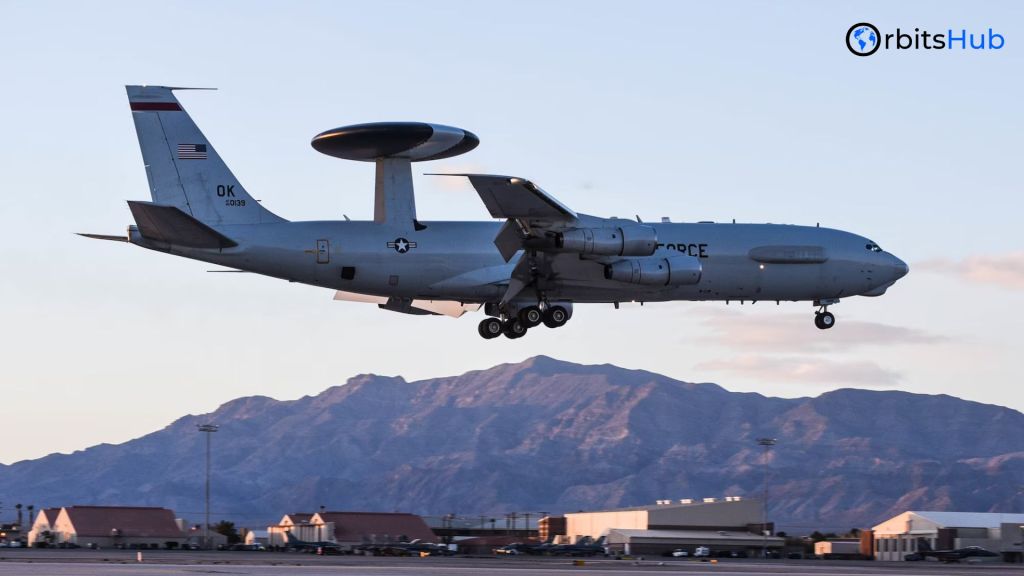
This section can address a potential reader’s curiosity by clarifying the distinct roles of AWACS and fighter jets.
Here’s a possible breakdown:
- Function: Briefly explain that fighter jets are primarily offensive weapons designed for air-to-air combat or engaging ground targets. On the other hand, AWACS focuses on providing information and coordinating operations.
- Capabilities: Differentiate strengths. Fighter jets are fast, maneuverable, and powerful. AWACS has excellent detection, situational awareness, and communication.
- Working Together: Highlight these complementing differences. Fighter jets use AWACS data to detect and engage targets, while AWACS coordinates their strikes for optimum battlefield impact.
The Global Landscape of AWACS: Who Has Them and Why?
This section can provide a broader perspective on the strategic significance of AWACS:
- Major AWACS Operators: List the prominent countries with AWACS fleets, like the US, NATO allies, and Israel.
- Strategic Importance: Explain how AWACS ownership benefits the military. A nation with AWACS can project airpower internationally, retain regional air superiority, and prevent aggression.
- The Cost Factor: Briefly touch upon AWACS’s high acquisition and operational costs, making them exclusive to well-funded militaries.
AWACS aircraft have become an indispensable asset in modern air combat. They provide an undeniable advantage by offering unparalleled situational awareness and facilitating coordinated military operations. As technology advances, AWACS will undoubtedly remain a dominant force in the skies, ensuring the safety and security of nations worldwide.
Do you want to learn more about cutting-edge aviation and maritime technology advancements? OrbitsHub, a leading consultancy service company specializing in these domains, can be your one-stop shop. Explore OrbitsHub to discover how their expertise can empower your organization.