The Seawise Giant, once the world’s largest ship, is a name that echoes through maritime history. This colossal vessel, the Knock Nevis, left a lasting mark on the industry. But how did such a giant rise to fame, and what led to its eventual fall? Let’s explore the fascinating journey of the Giant.
The Birth of the Seawise Giant
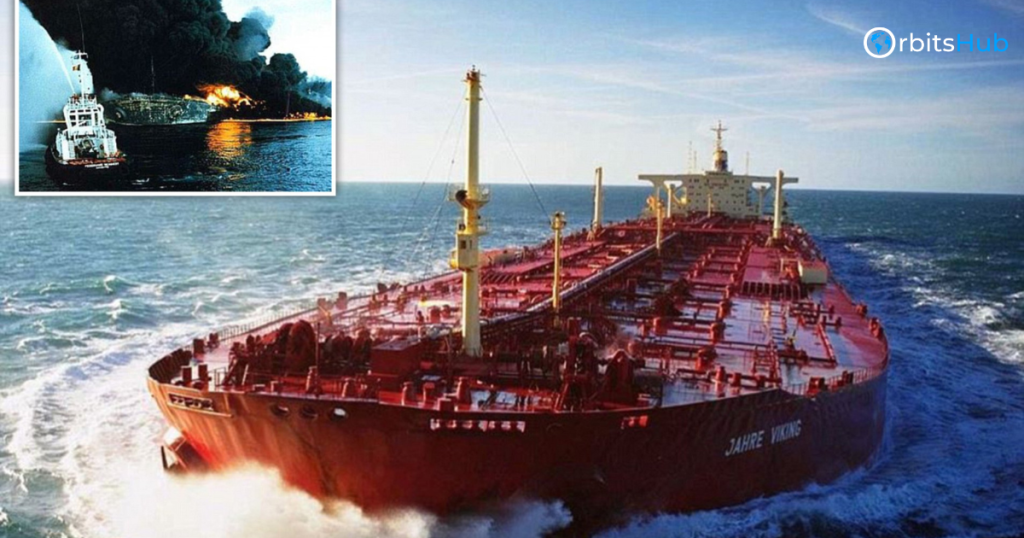
In 1979, the Seawise Giant was launched by Sumitomo Heavy Industries in Japan. At 458.45 meters long and with a deadweight of 564,763 tons, it was a ship like no other. Designed as an ultra-large crude carrier (ULCC), it was built to transport vast amounts of oil across the world’s oceans. The ship’s sheer size made it a marvel of engineering and it quickly became a symbol of human ambition and capability.
Imagine standing on the deck of the Seawise Giant; it was like standing on a floating city. The vessel was so large that it couldn’t pass through the Suez or Panama Canals, and its turning circle was measured in kilometres rather than meters. Even with these problems, the Seawise Giant was essential to the world’s oil supply line. It moved millions of barrels of oil from the Middle East to Europe.
The Giant Faces Challenges

Despite its impressive size and capabilities, the Seawise Giant faced numerous challenges. The first significant blow came during the Iran-Iraq War in 1988. The ship, then known as the Happy Giant, was attacked by Iraqi forces and severely damaged. It was left as a burnt-out wreck in the Strait of Hormuz, seemingly destined for the scrapyard.
But the story didn’t end there. The Seawise Giant was purchased by a Norwegian company, which saw potential in the damaged vessel. The ship was towed to Singapore, where it underwent extensive repairs. After two years, the Seawise Giant was reborn, ready to sail the seas again. This revival is a testament to the determination and vision of those who refused to let the ship fade into obscurity.
The Glory Days
Once restored, the Seawise Giant resumed its role as one of the world’s most significant oil carriers. It was a familiar sight in major ports, often drawing crowds who witnessed this floating behemoth’s sheer scale. The ship’s ability to carry such large quantities of oil made it an essential asset during the late 20th century when global oil demand was soaring.
But beyond its practical uses, the Seawise symbolized human achievement. Its story was one of resilience and perseverance. This ship had faced near destruction and returned more vital than ever. Maritime enthusiasts and industry professionals admired the Seawise Giant for what it represented—a triumph over adversity.
The Fall of a Titan
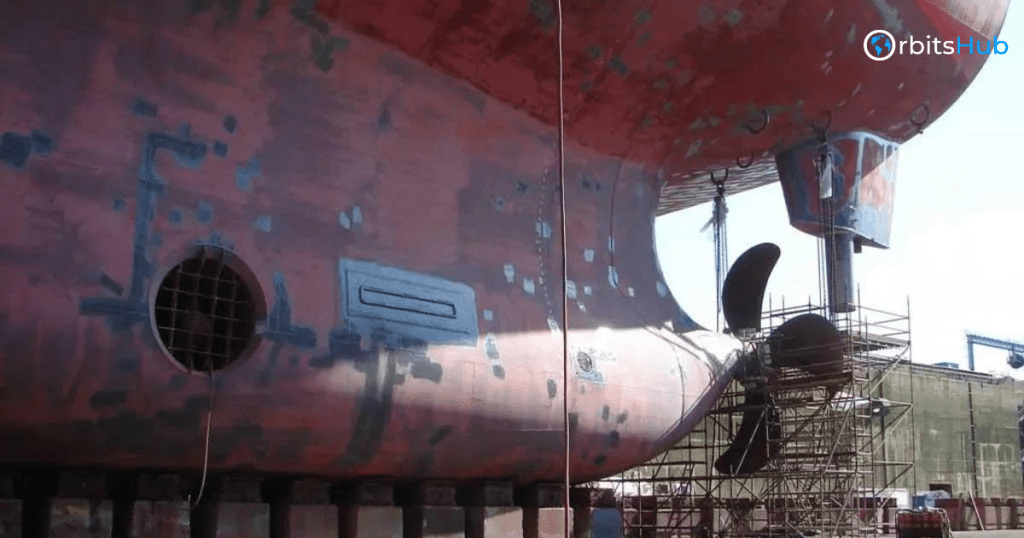
However, like all giants, the Seawise Giant’s time eventually ended. In 2004, after decades of service, the ship was retired. It was sold to Indian shipbreakers and sent to Alang, where it was dismantled for scrap. The boat that had once been the pride of the oceans was reduced to pieces of steel, its legacy living on only in the memories of those who had seen it sail.
But why did the Seawise Giant, a ship of such stature, meet this fate? The answer lies in the changing nature of the shipping industry. By the early 2000s, the demand for ultra-large crude carriers had diminished. Newer, more efficient ships were being built, and maintaining a vessel like the Seawise had become prohibitive. In the end, the decision to scrap the ship was practical, driven by the industry’s economics.
Lessons from the Seawise Giant
The story of the Seawise Giant is more than just a tale of a ship; it reflects the ever-changing nature of human endeavours. The rise and fall of this giant remind us that even the mightiest creations have their limits. But it also teaches us about resilience, innovation, and adaptation.
For those who worked on the Seawise Giant or witnessed its journey, the ship was more than just steel and machinery—it was a testament to what humans can achieve when they push the boundaries of possibility. And though the Seawise is no longer with us, its story continues to inspire.
Final Thoughts
What the Seawise Giant left behind will live on, even though it has died. It’s still a sign of human desire, a reminder of how high we can go and how complex things can be. As we look to the future, the story of the Seawise Giant serves as a powerful lesson in the importance of resilience, innovation, and the relentless pursuit of progress.
Whether you’re a maritime enthusiast or simply someone who appreciates a good story, the rise and fall of the Seawise Giant offers a fascinating glimpse into the world of shipping and the enduring spirit of human endeavour.
Frequently Asked Questions about the Seawise Giant
The Seawise Giant was the largest ship ever built, known for its enormous size and its role in transporting vast quantities of crude oil across the globe.
The Giant, then named the Happy Giant, was attacked by Iraqi forces in 1988 while anchored in the Strait of Hormuz, leading to severe damage and near-destruction.
After being severely damaged, the Giant was bought by a Norwegian company, towed to Singapore, and underwent extensive repairs before returning to service.
The Seawise Giant was scrapped in 2004 due to the declining demand for ultra-large crude carriers and the high costs associated with maintaining such a massive vessel.
The Seawise is remembered as a symbol of human engineering and resilience, and its story continues to inspire maritime enthusiasts and industry professionals alike.