Speed has always been a fascination for humans. Whether it’s the thrill of a fast car, the excitement of a rapid train, or the awe-inspiring speed of the world’s fastest planes, something about velocity captures our imagination. But what makes these planes so fast? Let’s explore the science behind the world’s fastest airplanes and the fascinating technology that propels them through the skies.
A Glimpse into the World’s Fastest Planes
Before we get into the science, let’s take a moment to appreciate some of the fastest planes in the world. From military jets to experimental aircraft, these machines push the boundaries of what is possible in aviation.
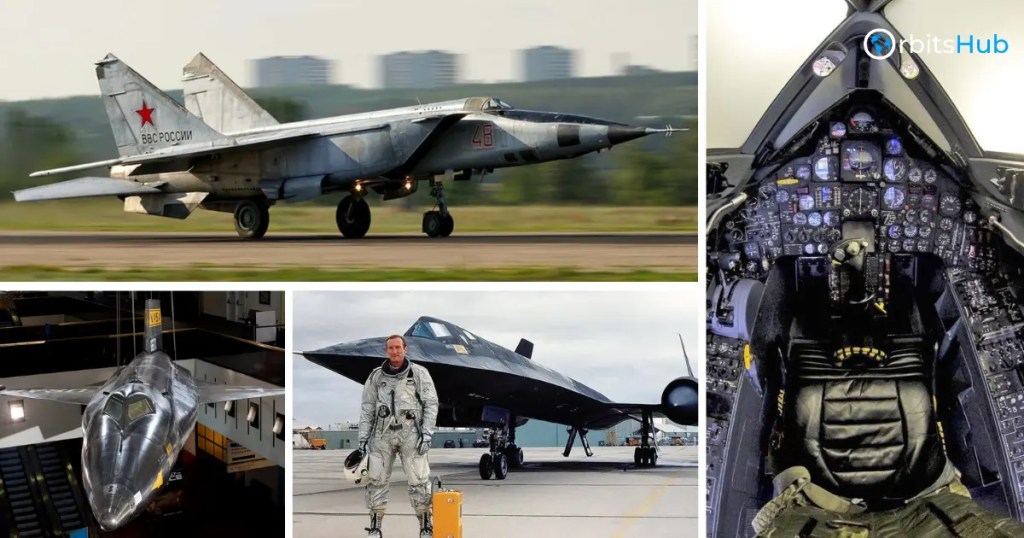
- The SR-71 Blackbird: Known as the “Blackbird,” this plane was designed to fly at speeds exceeding Mach 3 (three times the speed of sound). It was used primarily for reconnaissance during the Cold War and could outrun any missile fired.
- The MiG-25 Foxbat: A Soviet-era jet, the MiG-25 was built to counter American bombers and could reach speeds of Mach 2.83. Its purpose was clear: speed was essential for intercepting threats.
- The X-15: An experimental aircraft, the X-15 reached an astonishing speed of Mach 6.72, making it the fastest human-crewed airliner in history. It was a crucial part of NASA’s early space program, providing valuable data for future space missions.
The Science of Speed

Speed in aviation is not just about powerful engines; it’s a combination of various factors that work together to push the limits.
- Aerodynamics: The shape of an aircraft plays a crucial role in its speed. Engineers design planes with sleek, smooth surfaces to reduce air resistance or drag. The less drag a plane has, the faster it can go. The SR-71 Blackbird, for instance, has a long, pointed nose and a thin body to slice through the air more efficiently.
- Engine Power: The engines of fast planes are marvels of modern engineering. Jet engines, especially afterburning ones, are designed to produce immense thrust. Afterburners inject additional fuel into the engine’s exhaust, creating a powerful burst of speed. This technology is standard in military jets like the MiG-25.
- Materials: The materials used in constructing these planes are essential. High-speed flight generates a lot of heat due to air friction. Therefore, planes like the SR-71 are made from titanium, a metal that can withstand extreme temperatures without melting.
- Control Systems: At high speeds, controlling the aircraft becomes more challenging. Advanced control systems are necessary to keep the plane stable and on course. The X-15, for example, used innovative control surfaces to maintain stability during its record-breaking flights.
Real-Life Challenges and Solutions
One of the biggest challenges of high-speed flight is managing heat. When a plane flies at supersonic speeds, the friction between the air and the plane’s surface generates tremendous heat. This heat can cause traditional materials to weaken or even melt. Engineers had to devise innovative solutions, like using titanium or developing unique cooling systems, to keep these planes from overheating.
Another challenge is fuel consumption. High-speed flight consumes a lot of fuel, which limits how long a plane can stay in the air. The SR-71, for instance, had to refuel mid-air during long missions. This required not only precise flying but also specially designed refueling systems.
A Personal Perspective
I remember watching a documentary about the SR-71 Blackbird as a child. The plane’s sheer speed and sleek design left a lasting impression on me. It was hard to believe that something could travel so fast, outrunning missiles and flying at altitudes where the sky turned dark, almost like space. The pilots of these planes were not just flying; they were pushing the boundaries of what was possible.
Practical Advice for Aspiring Engineers

Studying the world’s fastest planes offers valuable lessons for those interested in aviation and engineering. Understanding the balance between speed, stability, and safety is vital. It’s not just about making a plane go fast; it’s about ensuring it can do so reliably and safely.
If you’re passionate about this field, consider specializing in aerodynamics, propulsion systems, or materials science. Each of these areas plays a crucial role in developing high-speed aircraft. Hands-on experience, like internships or projects involving model aircraft, can also provide practical insights into the challenges and rewards of this field.
The science behind the world’s fastest planes is a fascinating blend of aerodynamics, powerful engines, advanced materials, and innovative control systems. These planes are not just machines; they result from human ingenuity and the desire to push beyond the known limits. As technology advances, who knows what new records will be set?
In the world of aviation, speed is more than just a number. It’s a testament to the incredible capabilities of engineering and the relentless pursuit of excellence. Whether you’re an aviation enthusiast or an aspiring engineer, these planes’ stories will surely inspire you.
FAQ: The Science Behind the World’s Fastest Planes
Speed is influenced by aerodynamic design, powerful engines, and heat-resistant materials.
The SR-71 can fly at speeds over Mach 3, surpassing 3,200 km/h (2,000 mph).
High speeds generate intense heat, so advanced cooling and materials like titanium are essential.
The X-15 set a record at Mach 6.72 and contributed valuable data for space exploration.
No, modern passenger planes focus on efficiency and typically fly at subsonic speeds around Mach 0.85.