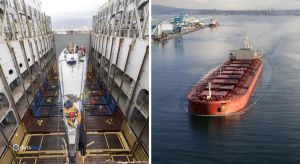
Bulk carrier ships are the workhorses of the maritime industry. These colossal vessels haul massive quantities of dry cargo like iron ore, grain, coal, and cement across the world’s oceans. Their consistent movement of raw materials and completed goods is essential to the world’s commerce and the economies of all countries. This year, 2024, promises to see some impressive additions to the fleet of the biggest bulk carrier ship. As technology advances and shipping demands evolve, these behemoths are constantly optimized for efficiency and capacity. Let’s dive into the world of these modern giants of the seas.
Top Contenders: The Largest Bulk Carrier Ship of 2024
While there’s always a buzz around the newest and most significant, it’s important to remember that size is only part of it. These ships are engineering marvels, designed with factors like cargo type, fuel efficiency, and manoeuvrability in mind. Here are some of the frontrunners in the race for the title of “Largest Bulk Carrier of 2024”:
The Reigning Champion: The Valemax Giants
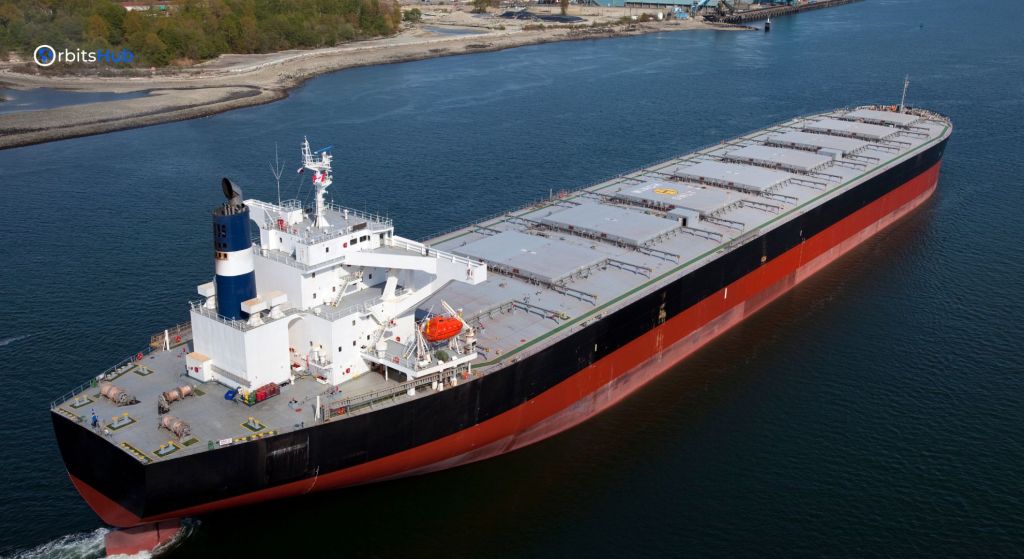
The Valemax class of bulk carriers has dominated the scene for quite some time. These colossal ships, typically exceeding 360 meters in length and boasting a carrying capacity of around 400,000 deadweight tons (DWT), are specifically designed to transport iron ore. Several companies continue to build and operate Valemax vessels, and with their proven design and efficiency, they’re likely to remain a significant presence on the seas.
Innovation on the Horizon: The New Generation of Bulk Carrier Ship
Shipbuilders are constantly pushing boundaries in design and technology. Here are some exciting trends to watch out for:
- Increased fuel efficiency: New regulations and a growing focus on environmental sustainability drive the development of greener bulk carriers. This could involve improved hull designs, waste heat recovery systems, and wind propulsion technology.
- More innovative ships: Automation and digitalization are transforming the maritime industry. Expect to see future bulk carriers equipped with advanced navigation systems, condition monitoring tools, and even autonomous capabilities.
- Focus on cargo handling: Specialization is another trend. Ships might be designed to handle specific cargo types more efficiently, incorporating features like faster loading and unloading times or specialized holds for temperature-sensitive goods.
While specific details about these next-generation ships are still under wraps, they promise to be even more impressive than their predecessors.
The Rise of the Supramax and Ultramax
While the Valemax giants grab headlines, there’s a growing market for smaller, highly versatile bulk carriers. The Supramax and Ultramax classes, typically ranging from 180 to 200 meters in length and with capacities of around 50,000 to 60,000 DWT, offer several advantages:
- Accessibility: Supramax and Ultramax vessels can navigate shallower ports and waterways that might be inaccessible to larger ships. This allows them to reach smaller ports and cater to a broader range of destinations.
- Flexibility: These ships can handle various cargo types, from grains and coal to fertilizers and steel coils. Their size makes them ideal for transporting smaller shipments more efficiently.
- Operational Efficiency: Supramax and Ultramax vessels often require smaller crews and are generally more cost-effective than their larger counterparts. This can be especially beneficial for shorter voyages or niche cargo markets.
The increasing demand for flexibility and efficient transportation of diverse cargo is fueling the growth of the Supramax and Ultramax segments. These dependable beasts will likely continue to be vital to international trade for the foreseeable future.
The Environmental Imperative: Greener Bulk Carrier for a Sustainable Future

Environmental concerns are a major driving force in the design and operation of modern bulk carriers. The industry is under pressure to reduce its carbon footprint and minimize pollution. Here are some key trends in sustainable bulk carrier shipping:
- Cleaner burning fuels: A shift towards cleaner-burning fuels like Liquefied Natural Gas (LNG) is gaining momentum. Cleaner air and less greenhouse gas emissions are two benefits of using LNG instead of more conventional marine fuels.
- Energy efficiency measures: Shipbuilders are incorporating innovative hull designs, weather routing technologies, and waste heat recovery systems to improve fuel efficiency. These measures can significantly reduce a ship’s overall environmental impact.
- Ballast water treatment: The release of ballast water is subject to stricter rules to curb the spread of exotic species. Modern bulk carriers have advanced ballast water treatment systems to ensure responsible environmental practices.
The maritime industry is committed to becoming more sustainable. Developing greener bulk carriers is vital in achieving this goal, ensuring a healthy planet for future generations.
The Future of Bulk Carrier Shipping
Shipments made by bulk carrier ship have a promising future. The demand for dependable and efficient cargo transportation will only increase in response to the rising global population and raw material demand. The ships we see setting sail in 2024 are a testament to the ongoing innovation and progress in the maritime industry.
Are you curious to learn more about the ever-evolving world of maritime shipping? You can get assistance navigating the industry’s complexity from orbitsHub.com, a top marine and aviation consultant service provider. If you are looking for advice on navigating the ever-changing landscape of bulk carrier shipping, our specialists are here to help. Contact OrbitsHub today to explore how we can empower your business for success!