What Makes Catboats Unique?
The History of Catboats
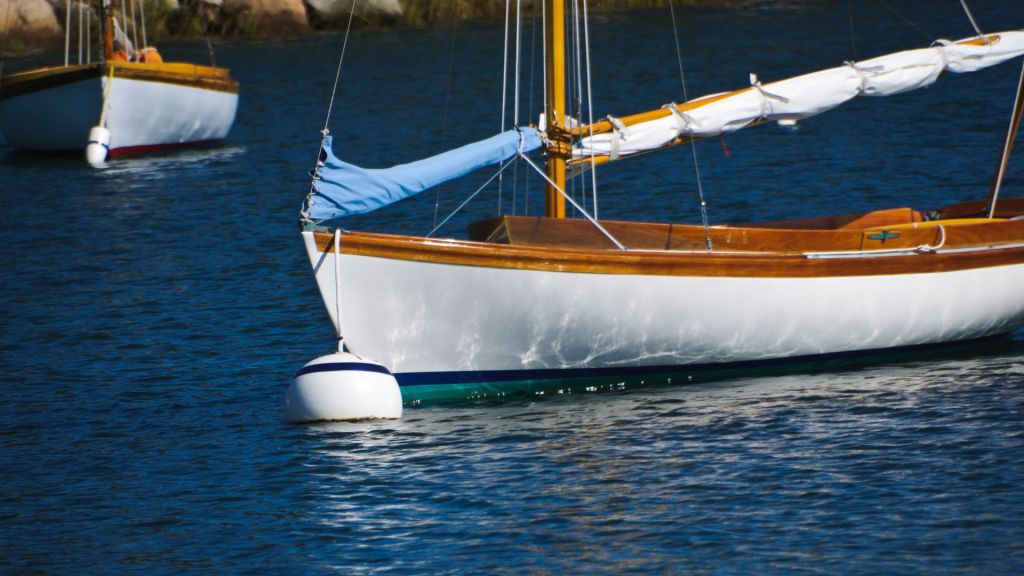
Catboats trace their origins to the coastal waters of New England in the 19th century. These sturdy vessels, characterized by their single mast and wide beam, quickly gained popularity among fishermen and recreational sailors alike. The catboat’s design evolved from the need for a boat that could navigate shallow waters, carry substantial cargo, and be easily handled by a small crew.
Key Features of Catboats
The defining characteristics of catboats set them apart from other sailing vessels:
- Single Mast: Positioned far forward in the bow, the catboat’s solitary mast supports a sizeable gaff-rigged mainsail.
- Wide Beam: Catboats boast a beam (width) that often measures half the length of the boat, contributing to their exceptional stability.
- Shallow Draft: The relatively flat bottom allows catboats to navigate in shallow waters with ease.
- Spacious Cockpit: The generous beam provides ample room for crew and cargo.
- Simple Rigging: With only one sail to manage, catboats offer straightforward operation for sailors of all skill levels.
Advantages of Owning a Catboat
Stability and Safety
The wide beam and low center of gravity inherent to catboats translate to remarkable stability on the water. This design feature instills confidence in novice sailors and provides peace of mind for families venturing out on the waves. The stability of catboats also contributes to their forgiving nature in choppy conditions, making them an excellent choice for coastal cruising.
Ease of Handling
Catboats shine in their simplicity of operation. The single sail eliminates the complexity of managing multiple sail configurations, allowing sailors to focus on enjoying the experience. This straightforward design makes catboats an ideal platform for learning the fundamentals of sailing or for those who prefer a more relaxed approach to time on the water.
Versatility
From leisurely day sails to overnight adventures, catboats adapt to a variety of sailing scenarios. Their spacious cockpits accommodate groups for social outings, while their shallow draft opens up possibilities for exploring secluded coves and inlets inaccessible to deeper-keeled vessels. Many catboat designs also feature cabin space, extending their utility for weekend getaways or longer cruises.
Factors to Consider When Choosing Your Catboat
Size and Capacity
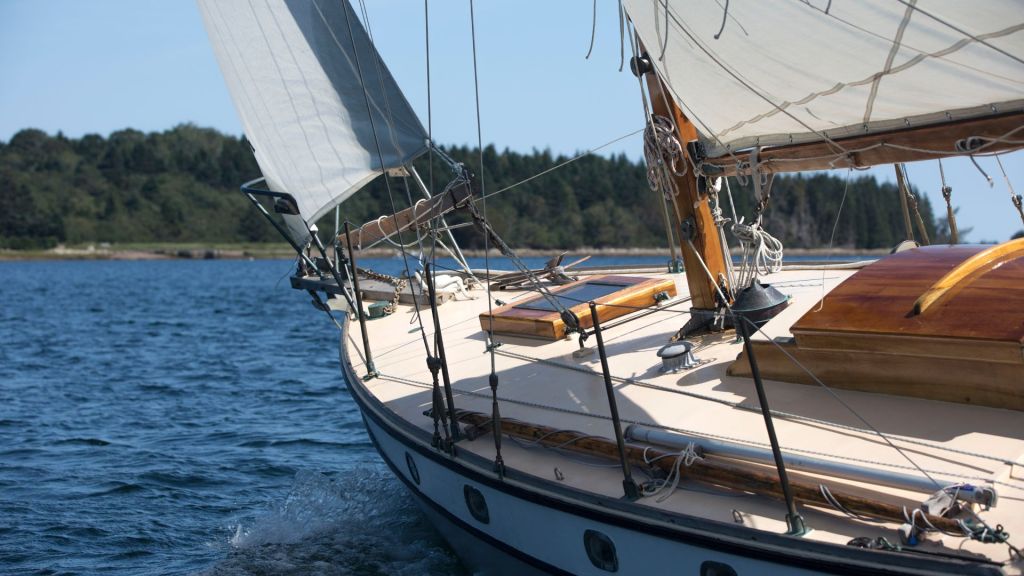
Catboats range from compact 12-footers to more substantial 26-foot models. Consider your intended use, typical crew size, and storage capabilities when determining the ideal size for your needs. Smaller catboats offer easier handling and transportation, while larger models provide more comfort and capacity for extended trips.
Hull Material
Modern catboats come in various hull materials, each with its own set of advantages:
- Fiberglass: Durable, low-maintenance, and widely available.
- Wood: Traditional aesthetic appeal with a classic feel, but requires more upkeep.
- Composite: Combines the strength of fiberglass with the lightness of modern materials.
Your choice of hull material will impact the boat’s performance, maintenance requirements, and long-term value.
Rig Configuration
While the single-mast design defines catboats, variations in rig configuration can affect sailing characteristics:
- Gaff Rig: The traditional catboat setup, offering a classic look and good performance.
- Marconi Rig: A more modern triangular sail configuration that may provide improved upwind performance.
- Sprit Rig: A simple and efficient design often found on smaller catboats.
Consider your sailing preferences and local conditions when evaluating rig options.
Popular Catboat Models for Beginners
Classic Designs
- Beetle Cat: A beloved 12-foot design that has introduced countless sailors to the joys of catboats since 1921.
- Marshall Sanderling: This 18-foot catboat is very flexible and strikes the right balance between comfort and performance.
- Com-Pac Horizon Cat: A modern interpretation of classic catboat design, featuring a 15-foot hull with optional cabin space.
Modern Innovations
- Arey’s Pond Boat Yard Cat: Combining traditional aesthetics with cutting-edge materials and construction techniques.
- Marshall Marine 22: A larger catboat design that incorporates modern amenities without sacrificing classic charm.
- Menger Cat: Available in 15-foot and 19-foot models, these catboats feature innovative rig designs for improved performance.
Essential Equipment for Your Catboat
Safety Gear
Prioritize safety with these essential items:
- Personal flotation devices (PFDs) for all crew members
- Marine VHF radio for communication
- Flares and signaling devices
- First aid kit
- Fire extinguisher
- Anchor and sufficient rode
Navigation Tools
Equip your catboat with navigation essentials:
- Compass
- GPS device or smartphone with navigation apps
- Paper charts of your sailing area
- Depth sounder
- Binoculars
Maintaining Your Catboat

Regular Upkeep
Establish a maintenance routine to keep your catboat in top condition:
- Clean the hull and deck after each outing
- Inspect rigging and fittings for wear
- Check for water intrusion and address any leaks promptly
- Service the engine (if equipped) according to manufacturer recommendations
- Apply fresh bottom paint annually or as needed
Winterization
Proper winter storage ensures your catboat remains ready for the next sailing season:
- Remove all electronics and perishable items
- Clean and dry the interior thoroughly
- Apply a protective cover or shrink wrap
- Winterize the engine and plumbing systems
- Store sails and running rigging in a dry location
Sailing Techniques for Catboats
Basic Maneuvers
Master these fundamental techniques to confidently handle your catboat:
- Tacking: Turning the bow through the wind to change direction
- Jibing: Turning the stern through the wind for a downwind course change
- Heaving to: Positioning the boat to maintain a stable position in rough conditions
Advanced Skills
Enhance your catboat sailing proficiency with these advanced techniques:
- Single-handed sailing: Managing all aspects of boat handling solo
- Anchoring: Properly setting and retrieving anchors in various conditions
- Reefing: Reducing sail area to maintain control in stronger winds
Where to Buy Your First Catboat
New vs. Used
Deciding between a new or used catboat depends on your budget, desired features, and willingness to undertake potential restoration projects. New catboats offer the latest designs and materials but come at a premium price. Used catboats can provide excellent value, especially for classic models with timeless appeal.
Reputable Dealers
Seek out established catboat dealers and brokers who specialize in these unique vessels. They will make sure you get the best boat for your needs and help you through the whole buying process. Research online reviews and seek recommendations from local sailing communities to identify trustworthy sellers.
Financing Your Catboat Purchase

Loan Options
Several financing avenues exist for prospective catboat owners:
- Marine loans: Specialized boat loans often offer competitive rates and longer terms.
- Home equity loans: Leverage your home’s value to finance your catboat purchase.
- Personal loans: Unsecured loans based on your creditworthiness and income.
Compare what different lenders are offering to get the best terms for your case.
Insurance Considerations
Protect your investment with appropriate insurance coverage:
- Hull insurance: Covers physical damage to your catboat
- Liability coverage: Covers people who get hurt or property damage from your boat
- Personal property coverage: Insures equipment and belongings stored on board
Consult with marine insurance specialists to tailor a policy that meets your specific needs and sailing habits.
Joining the Catboat Community
Clubs and Associations
Immerse yourself in the catboat culture by joining local and national organizations:
- Catboat Association: A national group dedicated to preserving and promoting catboat heritage
- Local sailing clubs: Many offer catboat-specific programs and events
- Online forums: Connect with fellow catboat enthusiasts to share knowledge and experiences
Events and Regattas
Participate in catboat-centric gatherings to enhance your sailing skills and forge connections within the community:
- Annual Catboat Rendezvous: Celebrate catboat culture with fellow enthusiasts
- Classic Boat Regattas: Test your skills in friendly competition
- Cruising Rallies: Join organized group sails to explore new waters
By delving into the world of catboats, you’ve taken the first step towards a rewarding sailing experience. The unique characteristics of these vessels offer a blend of simplicity, performance, and timeless charm that continues to captivate sailors of all backgrounds. As you embark on your catboat journey, remember that the perfect boat awaits—one that aligns with your sailing aspirations and ignites a passion for life on the water. Happy sailing!