Have you ever wondered how much a vast cargo ship carries as it glides across the horizon? Brace yourself as this guide explores container ships and marine monsters! Our target is the MSC Irina, the current champion and a modern engineering marvel that eclipses even the largest warships. But the narrative continues. We’ll examine the pros and cons of these mega-ships, the intriguing world of their crews, and the future of container transportation beyond building bigger ships. This book is your one-stop shop for exploring the world’s largest container ships, whether you’re a landlubber or a shipper!
The Champion: The MSC Irina World’s Biggest Container Ship
As of May 2024, the MSC Irina is the world’s largest container ship. This behemoth, launched in 2023, boasts a staggering capacity of 24,346 TEUs (Twenty-foot Equivalent Units). That’s enough space to stack shipping containers 24 rows wide, creating a colossal seafaring warehouse!
What exactly is a TEU, then? Envision a standard 20-foot-long, 8-foot-wide, and 8.5-foot-tall steel container. The MSC Irina can hold an astounding amount of containers, which is the standard in the business. Another way of looking at it is that this ship can transport enough cargo containers to cover nearly the entire length of Mumbai, which is over 61 kilometres!
Unpacking the Engineering Marvel: How Big is BIG?

So, how big is the MSC Irina? Here’s a breakdown of its key dimensions:
- Length: 399.9 meters (That’s nearly four football fields!)
- Width: 61.3 meters (Almost as wide as a standard cricket pitch!)
- Draft: 18.0 meters (The depth submerged underwater)
These figures paint a picture of an enormous vessel, dwarfing even the largest warships. But size isn’t everything. The MSC Irina is also a marvel of modern engineering, incorporating several innovations to optimize efficiency and minimize environmental impact:
- Fuel-Saving Propellers: The propellers are designed to create a unique water flow, reducing drag and lowering fuel consumption.
- Air Lubrication System: Tiny bubbles are released under the hull, creating a cushion that further reduces friction with the water.
- Hybrid Scrubbers: These systems help clean exhaust fumes, minimizing air pollution.
The Bigger Picture: The Rise of the Mega-Ship
The MSC Irina isn’t an anomaly. There’s a clear trend towards ever-larger container ships. Several factors drive this:
- Economies of Scale: Bigger ships can carry more cargo, reducing the cost per unit transported.
- Global Trade Growth: The volume of international trade continues to rise, demanding ever-larger shipping capacities.
- Technological Advancements: New shipbuilding techniques and materials allow for the construction of these massive vessels.
However, the trend towards mega-ships also presents challenges:
- Port Infrastructure: Not all ports can accommodate these giants, requiring expensive upgrades.
- Environmental Impact: While the MSC Irina incorporates eco-friendly features, larger ships generally burn more fuel, raising concerns about emissions.
- Safety Considerations: Managing such colossal vessels requires highly skilled crews and sophisticated navigation systems.
Life on Board a Mega-Ship: A Day in the Life of the Crew
We shall explore MSC Irina’s day-to-day operations and the crew’s difficulties here. You could discuss:
- Crew Size and Composition: Briefly explain the different departments and roles on board, highlighting the expertise needed to manage such a complex vessel.
- A Typical Day at Sea Provides a glimpse into the crew’s schedule, including navigation, maintenance, watch duties, and leisure time.
- Challenges and Rewards: This section will discuss the unique challenges of working on a mega-ship, such as long stretches at sea and limited shore leave while highlighting the sense of accomplishment and camaraderie of operating such a powerful machine.
The Future of Container Shipping: Beyond Bigger Ships
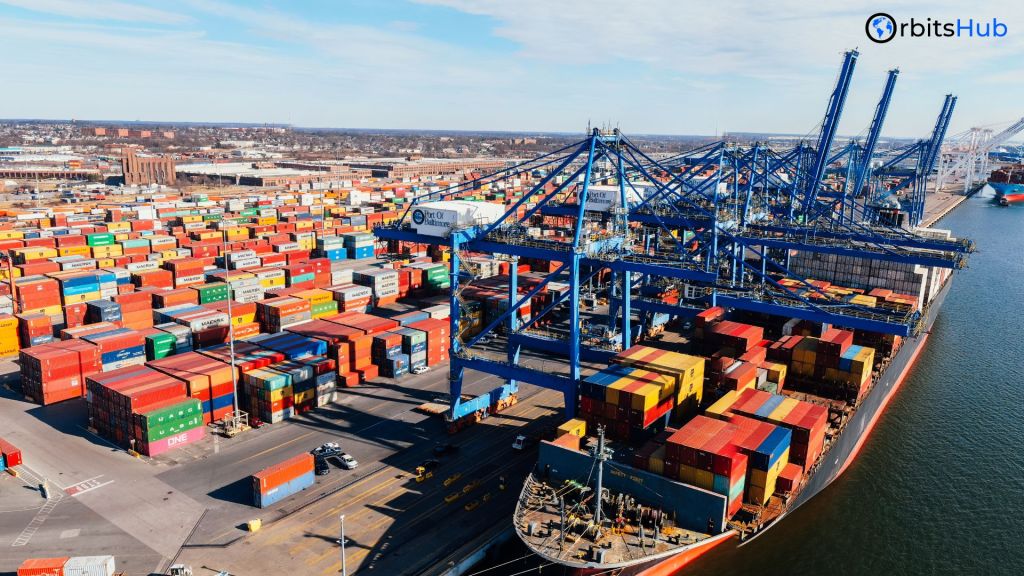
This section will explore potential future container shipping trends beyond building larger vessels. Here are some interesting angles to consider:
- Automation and AI: Discuss the potential for increased automation on container ships, such as autonomous navigation or automated cargo handling, and its impact on crew roles.
- Alternative Fuels and Propulsion Systems: Explore alternative fuel sources like Liquefied Natural Gas (LNG) or even hydrogen and how they could contribute to a more sustainable future for container shipping.
- Smart Ports and Logistics: Discuss advancements in port infrastructure and logistics management systems that could streamline cargo handling and optimize efficiency.
The reign of the MSC Irina as the world’s most giant container ship might only last for a while. Shipbuilders constantly push boundaries, and even larger vessels are on the horizon. But size is just one aspect of the story. The future of container shipping lies in optimizing efficiency, minimizing environmental impact, and ensuring the safety of crews and cargo.
The world of maritime logistics can be complex, but OrbitsHub is here to help. We are a leading marine and aviation consultancy services company, providing expert guidance to businesses of all sizes. Our team is here to assist you in navigating the dynamic global trade scene, regardless of your experience as a shipper. Contact OrbitsHub today, and let us chart your course to success!