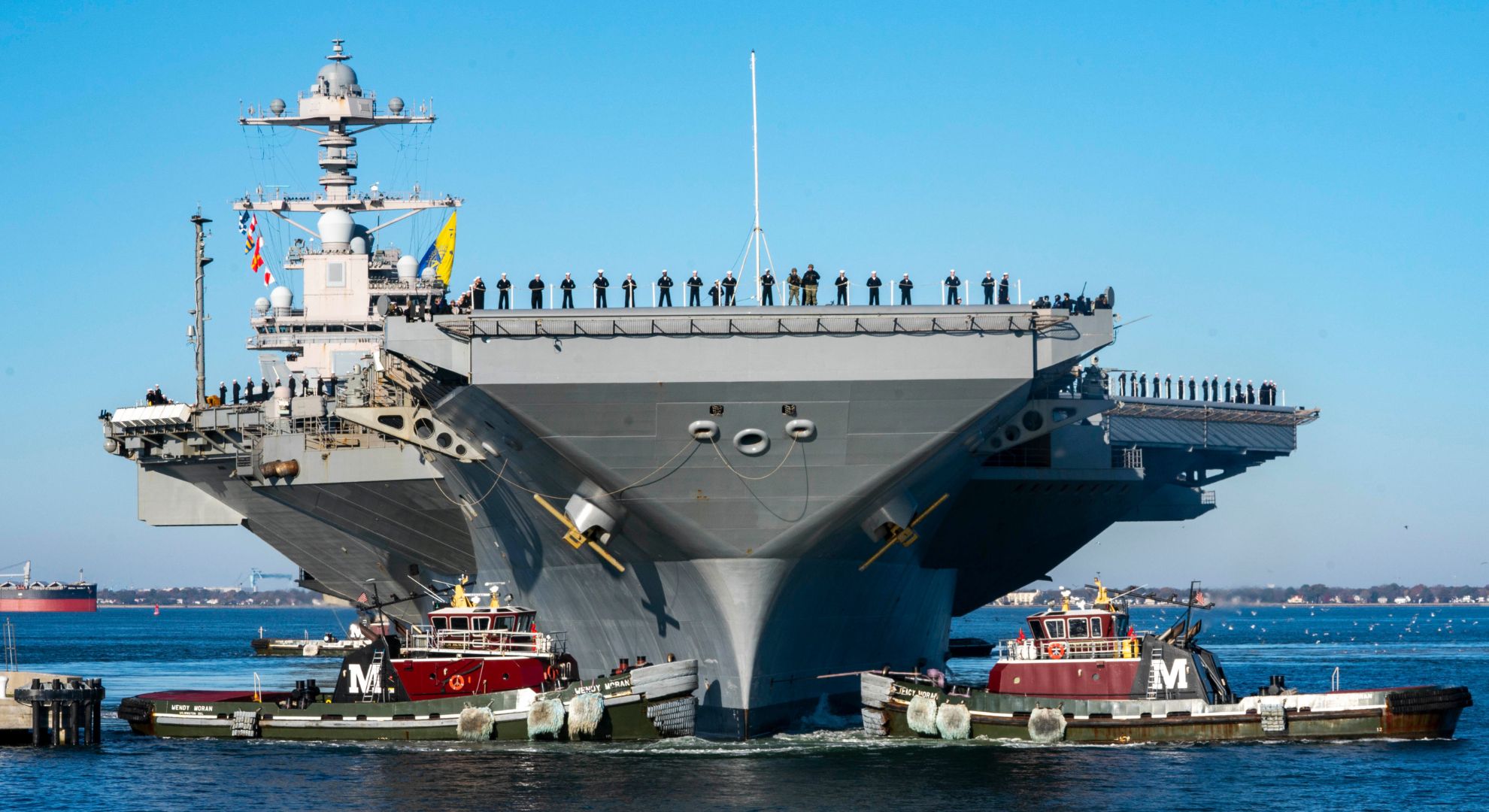

The first aircraft carrier in the Ford class, USS Gerald R. Ford Aircraft Carrier, symbolizes American military might and industrial excellence. As the most technologically advanced warship in the United States Navy, the Gerald R. Ford is a marvel of innovation, featuring cutting-edge systems and capabilities that will shape the future of naval warfare. In this article, we will explore this extraordinary aircraft carrier’s history, design, construction, and features.
The Birth of the Ford-class
The Ford-class aircraft carriers represent a new era in naval technology and capabilities. The idea to develop a new class of aircraft carriers originated from the need to replace the aging Nimitz-class carriers and to keep the United States Navy at the forefront of naval warfare. The development of the Ford class began in the early 2000s, intending to create a more capable, efficient, and cost-effective carrier.
Designing the Future: The USS Gerald R. Ford
Designed and built as the first carrier in the Ford class, the Gerald R. Ford Aircraft Carrier bears the name of the 38th President of the United States. The design process involved using advanced computerized techniques, such as full-scale 3D modeling, within the Rapid Operational Virtual Reality (ROVR) system developed by Huntington Ingalls Industries. This approach allowed for more accurate and efficient design iterations, resulting in a ship that maximizes operational capabilities while minimizing costs.

The design of the Gerald R. Ford incorporates several significant improvements over the previous Nimitz-class carriers. One notable enhancement is the inclusion of quieter sleeping quarters, numerous recreation areas, gymnasiums, and improved air conditioning, all of which contribute to a better quality of life for the crew. Additionally, the Ford-class carriers feature fewer valves, resulting in simplified plumbing systems and easier maintenance.
Construction and Commissioning
On February 25, 2011, a ceremony marked the first steel cut for the USS Gerald R Ford Aircraft Carrier. The shipbuilding process at Newport News Shipbuilding, the sole designer and builder of aircraft carriers in the United States, followed a modular approach. Various sections and components of the ship were built separately and then assembled.
The assembly process involved carefully placing massive components, such as the gallery deck to flight deck bridge weighing 1,026 metric tons and the lower bow unit weighing 680 metric tons. Skilled shipbuilders meticulously joined these sections, ensuring structural integrity and seamless integration.
The USS Gerald R. Ford was officially commissioned on July 22, 2017, in an elaborate ceremony in Norfolk, Virginia. Despite his prior criticisms of the ship, President Donald Trump delivered a powerful speech highlighting the strength and capabilities of the carrier. The commissioning marked the ship’s entry into active service, and it was a momentous occasion for the crew and the United States Navy.
The Environmental Impact of the USS Gerald R. Ford
- Nuclear power and waste disposal: Explain how the carrier uses atomic reactors for propulsion and the safety measures in place. Briefly touch on the issue of nuclear waste disposal.
- Fuel efficiency and emissions: Compared to conventionally powered ships, highlight nuclear carriers’ fuel efficiency and lower emissions.
Sustainability efforts: Discuss any on-board sustainability efforts, such as waste management or water conservation practices.
A Look Around the Gerald R. Ford Aircraft Carrier
To truly appreciate the magnitude and sophistication of the USS Gerald R. Ford Aircraft Carrier, let’s take a virtual tour of its impressive features and capabilities.
As we step aboard the USS Gerald R. Ford, we’re immediately struck by its sheer size, stretching over 1,100 feet and weighing around 100,000 tons. Its advanced electromagnetic aircraft launch system (EMALS) catapults planes off the deck with unprecedented efficiency while its advanced arresting gear swiftly halts them upon landing. This carrier represents the pinnacle of naval engineering, embodying decades of innovation and technology to ensure sea dominance.
Flight Deck
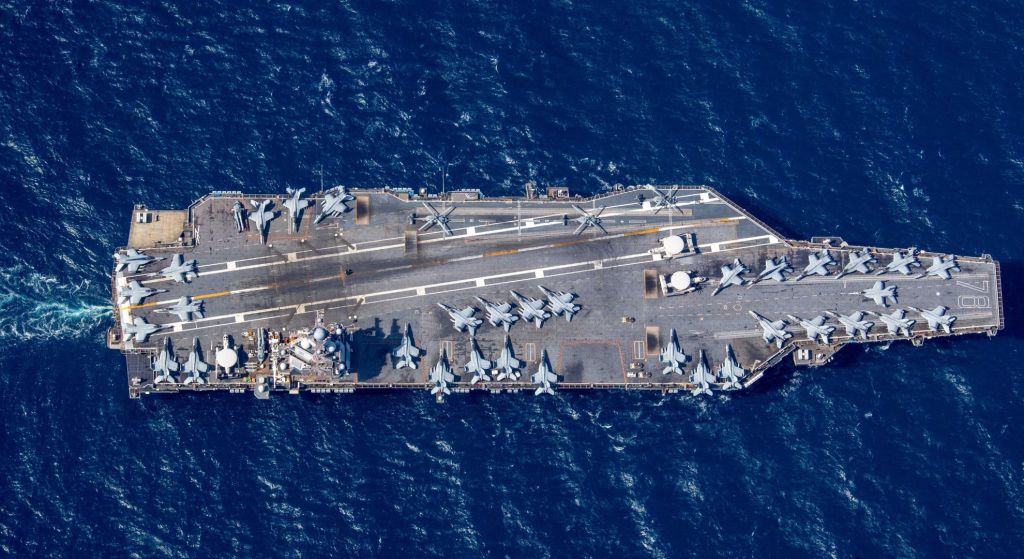
The aircraft carrier’s heart is its flight deck, which measures 1,106 feet long and provides a vast expanse for launching and recovering aircraft. The Electromagnetic Aircraft Launch System (EMALS), which replaces the old steam catapult system and allows for more accurate and efficient aircraft launches, is part of the flight deck’s cutting-edge technology. The EMALS can accelerate a 100,000-pound object to 125 miles per hour in less than 300 feet.
Command and Control
The USS Gerald R. Ford boasts state-of-the-art command and control systems that enable seamless coordination of naval operations. The Primary Flight Control tower, also known as the “tower,” serves as the air traffic control center for the carrier. This is where the air officer and the mini-boss watch over and give permission for all aircraft activities on and around the ship.
Power and Propulsion
The Gerald R. Ford relies on a cutting-edge power and propulsion system to propel its massive size. The carrier is powered by two A1B nuclear reactors, providing unlimited range and endurance. These reactors produce steam to drive four turbines, generating 260,000 shaft horsepower. The reactors’ power is used not only for propulsion but also to support the ship’s various systems and equipment.

Weapon Systems and Defense
The Gerald R. Ford is armed with weapon systems designed to protect itself and project American power. The carrier features the Rolling Airframe Missile (RAM) system, capable of intercepting and destroying incoming anti-ship missiles. Additionally, the airline is equipped with the Evolved Sea Sparrow Missile (ESSM) system, providing an extended range of air defense capability.
The Gerald R. Ford is equipped with an advanced radar system, including the Dual Band Radar (DBR), which enhances its situational awareness and allows for early detection of potential threats. The carrier also boasts an impressive electromagnetic aircraft launch system (EMALS) and advanced arresting gear (AAG), revolutionizing aircraft launch and recovery operations. These cutting-edge technologies contribute to the carrier’s ability to support a versatile air wing and project American military power across the globe.
Life Onboard the Gerald R. Ford
The Gerald R. Ford Aircraft Carrier prioritizes the well-being and comfort of its crew. The carrier offers numerous amenities and facilities, including quiet sleeping quarters, recreation areas, and gymnasiums to ensure a high quality of life. Sailors can enjoy a cup of coffee at Mac’s coffee shop, which also serves as a source of revenue to support the ship’s sailors. The carrier’s galley provides delicious meals and various food options to meet the dietary needs of the crew.
Training and Certification
Before the USS Gerald R. Ford can embark on its missions, the crew undergoes extensive training and certification. Sailors participate in rigorous drills and exercises, including damage control training, firefighting, and emergency response simulations. These exercises ensure that the crew is well-prepared to handle any situation that may arise during their deployment.
The Future of the Ford-class
With the USS Gerald R. Ford leading the way, the Ford-class aircraft carriers are set to shape the future of naval warfare. The USS John F. Kennedy (CVN 79), the second carrier in the class, is currently being built and should be ready for service in 2020. The Ford-class carriers will continue to undergo trials and refinements, further enhancing their capabilities and operational effectiveness.
Revolutionary Aircraft Handling Systems
Among the world’s most cutting-edge aircraft handling technologies are aboard the USS Gerald R. Ford. Notable advancements comprise:
- Electromagnetic Aircraft Launch System (EMALS): This cutting-edge technology replaces traditional steam catapults, enabling smoother, more efficient aircraft launches. EMALS reduces wear and tear on the aircraft and the carrier, enhancing operational efficiency and reducing maintenance costs.
- Advanced Arresting Gear (AAG): AAG provides safer and more controlled aircraft recovery, accommodating a more comprehensive range of aircraft sizes and weights. This system improves the carrier’s ability to support diverse missions and aircraft types.
- Elevated Weapons Handling: The Ford class features advanced elevators capable of moving weapons quickly and efficiently from storage to aircraft, significantly speeding up rearming processes. This system allows for rapid reconfiguration and response to changing combat scenarios.
These revolutionary systems enhance the Gerald R. Ford’s operational capabilities, making it a formidable asset in modern naval warfare.
Advanced Defensive Capabilities
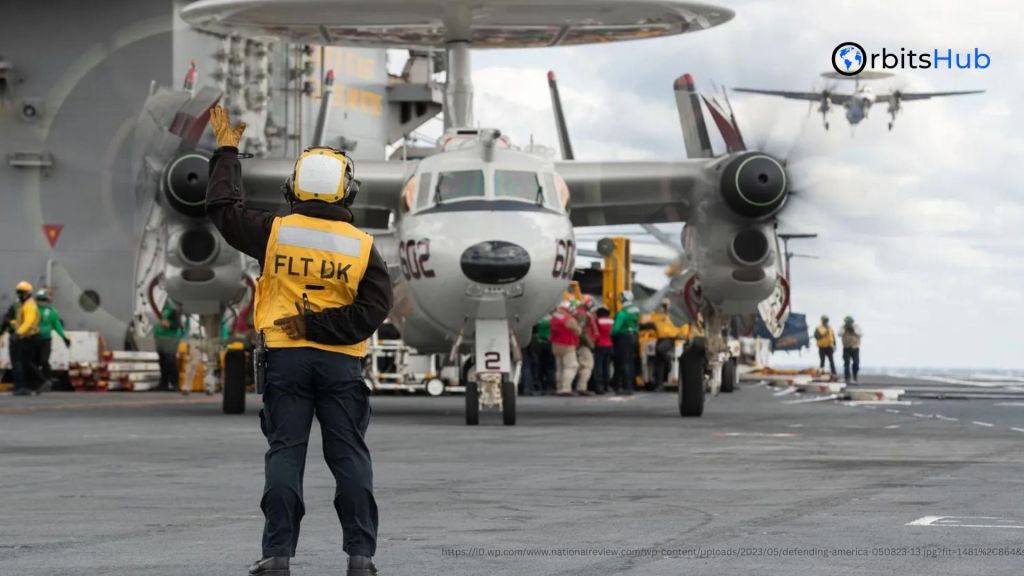
The USS Gerald R. Ford boasts state-of-the-art defensive systems to protect the carrier and crew from various threats. Key features include:
- Dual Band Radar (DBR): This sophisticated radar system provides enhanced situational awareness, allowing the carrier to simultaneously detect and track multiple targets. DBR integrates X-band and S-band radar capabilities, offering improved range and accuracy.
- Rolling Airframe Missile (RAM) System: The RAM system provides close-in defense against anti-ship missiles and other aerial threats. It is a crucial component of the carrier’s layered defense strategy, capable of engaging multiple targets quickly and accurately.
- Evolved Sea Sparrow Missile (ESSM) System: The ESSM system extends the carrier’s defensive range, providing medium-range air defense capabilities. It protects the ship from various airborne threats, including aircraft and missiles.
These advanced systems ensure that Gerald R. Ford can effectively defend itself and its air wing while maintaining operational readiness in any environment.
Crew Life and Amenities
Life aboard the USS Gerald R. Ford is designed to be as comfortable and supportive as possible for the crew. Essential amenities and facilities include:
- Quiet Sleeping Quarters: The ship features improved living spaces, with quieter sleeping quarters offering more privacy and comfort than previous classes. These accommodations help reduce fatigue and improve overall crew well-being.
- Recreation Areas: The carrier offers numerous recreational facilities, including gyms, lounges, and even a coffee shop called Mac’s. These spaces allow the crew to relax and unwind during their downtime.
- Advanced Galley Services: Guests with various dietary restrictions or preferences can find something to eat in the Gerald R. Ford’s galley. Keeping the crew healthy and motivated requires emphasizing nutritious, high-quality meals and nutrition.
These amenities are part of a broader effort to enhance the quality of life for those serving on the Gerald R. Ford, ensuring they are well-rested and ready for duty.
Operational Readiness and Training
The USS Gerald R. Ford strongly emphasizes maintaining operational readiness and ensuring the crew is fully prepared for any mission. Essential training and certification processes include:
- Damage Control Training: Crew members undergo rigorous training in damage control techniques, including firefighting, flooding response, and emergency repairs. This training is crucial for maintaining the ship’s integrity and safety during operations.
- Simulation Drills: The carrier regularly conducts simulation drills that mimic real-world scenarios, allowing the crew to practice responding to various threats and emergencies. These drills are vital for refining procedures and ensuring seamless coordination.
- Certification Programs: The Gerald R. Ford crew must complete extensive certification programs before deployment. These programs assess the crew’s proficiency in critical areas, such as navigation, engineering, and combat systems, ensuring the carrier is fully mission-capable.
With this all-encompassing training program, the USS Gerald R. Ford can respond to any circumstance with a high level of preparedness.
Looking Ahead: The Future of Aircraft Carrier Design
A giant leap ahead in aircraft carrier design, the USS Gerald R. Ford paves the way for future advances. Important points to consider for upcoming carriers are:
- Automation and Efficiency: Future aircraft carriers must incorporate more automation, reducing crew sizes and increasing operational efficiency. This trend will allow for more streamlined operations and lower overall costs.
- Sustainability Initiatives: As environmental concerns become more pressing, future carriers will likely focus on sustainability. This may include advancements in waste management, energy efficiency, and the use of alternative fuels.
- Enhanced Aircraft Integration: The integration of advanced aircraft, including unmanned aerial systems (UAS), will continue to be a priority. Future carriers will accommodate a broader range of aircraft, enhancing their versatility and mission capabilities.
The USS Gerald R. Ford models these advancements, embodying the future of naval aviation and warfare. Its innovations set a new aircraft carrier design and operation standard, ensuring the United States Navy remains at the forefront of global maritime power.

FAQ’s
1. What is the Gerald R. Ford Aircraft Carrier?
The Gerald R. Ford Aircraft Carrier is modern and leads the Gerald R. Ford class of aircraft carriers. It honors Gerald R. Ford, the 38th US president.
2. What distinguishes Gerald R. Ford-class aircraft carriers?
The Gerald R. Ford-class aircraft carriers are the most advanced and technologically advanced. Among their many innovations are electronic catapults, upgraded arresting gear, expanded aircraft capacity, improved radar systems, and more efficient power generation.
3.How large is the USS Gerald R. Ford aircraft carrier?
The 1,106-foot USS Gerald R. Ford aircraft carrier is one of the world’s largest warships. Fighter jets, helicopters, and uncrewed aerial vehicles can fit atop its 100,000-ton displacement.
4. What are some key features of the Gerald R. Ford aircraft carrier?
The Gerald R. Ford aircraft carrier has the Electromagnetic Aircraft Launch System (EMALS), Advanced Arresting Gear (AAG), advanced radar systems, weapons elevators, higher aviation fuel capacity, and improved crew accommodations.
5. What does the Gerald R. Ford aircraft carrier do for the US Navy?
The Gerald R. Ford aircraft carrier boosts US Navy force projection. It can enable air superiority, power projection, anti-submarine warfare, and humanitarian aid with improved technologies and enhanced aircraft capacity. It also represents the Navy’s dedication to a modern fleet.
The USS Gerald R. Ford Aircraft Carrier represents the pinnacle of American engineering and military technology. From its advanced design and construction techniques to its state-of-the-art systems and capabilities, the Ford-class carriers are poised to dominate the seas for decades. With its commissioning, the USS Gerald R. Ford carries the legacy of President Gerald R. Ford and serves as a symbol of American strength and resolve.