The USS Yorktown Aircraft Carrier (CV-10), also known as the “Fighting Lady,” was a testament to American ingenuity and industrial might during World War II. This Essex-class aircraft carrier wasn’t just a ship; it was a floating city, an airfield at sea, and a crucial component of the Allied victory in the Pacific.
From Humble Beginnings to War Hero
The Yorktown, commissioned in 1943, wasn’t the first ship to bear that name. The original Yorktown (CV-5) was sunk during the Battle of Midway in 1942. The new Yorktown, however, rose from the ashes of its predecessor, inheriting its fighting spirit and becoming a symbol of American resilience.
A Marvel of Naval Engineering
The Yorktown was a marvel of its time. Stretching over 888 feet long and displacing nearly 27,000 tons, it was a city on the sea. Its massive flight deck, measuring over 800 feet, could accommodate dozens of fighter planes, torpedo bombers, and dive bombers. Below this flight deck lay a labyrinth of compartments housing everything from sleeping quarters for the crew of over 3,000 to ammunition magazines, engine rooms, and a surprisingly well-equipped hospital.

The heart of Yorktown was its hangar deck, a massive space where aircraft were prepped for launch and serviced after missions. An intricate network of elevators transported planes between the hangar deck and the flight deck, ensuring a constant flow of aerial firepower.
Armaments and Defense:
While aircraft were the primary offensive weapons, Yorktown needed to be more defenceless. It bristled with anti-aircraft guns of various calibres, constantly spewing a fiery barrage to ward off enemy bombers and torpedo planes.
The Yorktown’s Wartime Odyssey
Yorktown’s service record is a testament to its importance in the Pacific War. Here are some of its key moments:
- Naval Combat in the Philippines (June 1944): The Yorktown played a crucial role in this massive carrier battle, launching airstrikes that crippled the Japanese fleet and helped secure American air superiority in the Pacific.
- Combat in the Gulf of Leyte in October 1944: This multi-day battle, considered the most significant naval engagement in history, saw the Yorktown’s aircraft pummeling Japanese warships and contributing to a decisive Allied victory.
- The End of the War (1945): Yorktown continued providing air support for the invasion of Okinawa and the Japanese mainland until the war ended war ended in August 1945.
Beyond World War II: A Legacy of Service
The Yorktown’s story doesn’t end with World War II. After undergoing modernization, it served during the Korean War and even played a role in the Vietnam War. In 1968, Yorktown had the historic honour of recovering the Apollo 8 capsule and its astronauts after their lunar orbit mission.
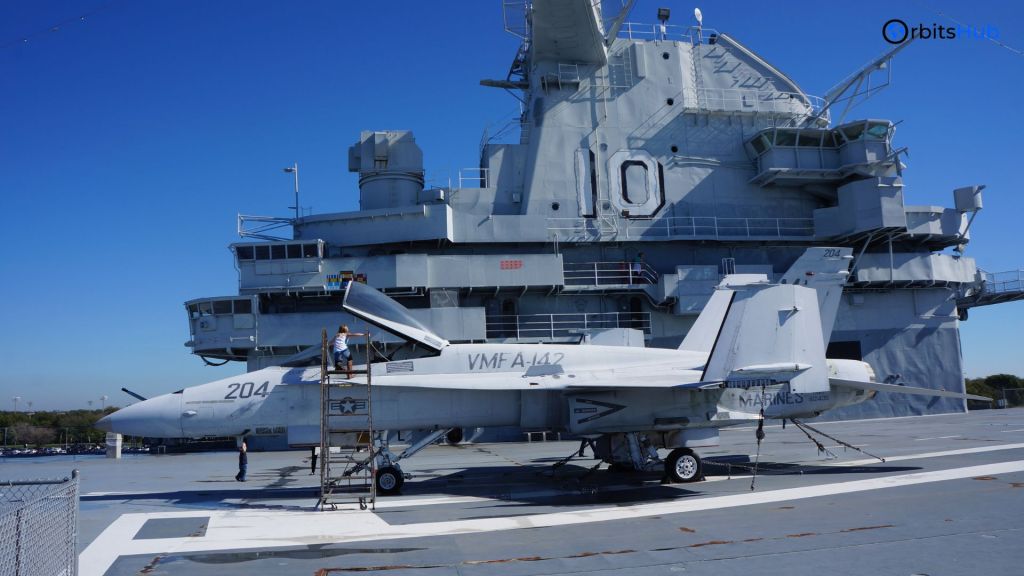
Finally, in 1970, the “Fighting Lady” was decommissioned. Today, it resides as a museum ship at Patriots Point in Charleston, South Carolina, educating visitors about its storied past and aircraft carriers’ critical role in World War II.
The Daily Life Aboard the Yorktown

- Living Quarters and Working Conditions: Describe the crew’s cramped living spaces, the constant hum of machinery, and the ever-present danger of war.
- Rank and Responsibility: Explain the hierarchy on board, from the captain and officers down to the enlisted sailors and their specific duties.
- Leisure and Morale: Mention how the crew found leisure moments amidst the chaos, like movie nights, card games, and religious services.
The Innovation Behind the Yorktown
- Radar and Communications: Explain how advancements in radar allowed for early detection of enemy aircraft and how improved communication systems coordinated attacks.
- Flight Deck Operations: Describe the complex ballet of launching and recovering aircraft, highlighting innovations like the arresting gear and catapults.
- The Role of Women: Although not directly on Yorktown itself, acknowledge the contribution of women in shipyards and factories who built and maintained these vessels.
A Symbol of American Resolve: Aircraft Carrier
The Yorktown Aircraft Carrier is a testament to American courage, innovation, and resilience during World War II. It was a marvel of engineering that changed the face of naval warfare.
The Yorktown Aircraft Carrier: Design and Engineering Marvel
The design and engineering of the Yorktown Aircraft Carrier represent a significant achievement in naval architecture. Launched during intense maritime development, the Yorktown was crafted to meet the evolving demands of modern warfare with cutting-edge technology and innovative design features.
- Advanced Structural Design: Yorktown’s design included a robust hull and flight deck to withstand enemy attacks. Its enhanced durability was crucial for surviving the harsh conditions of naval combat.
- State-of-the-Art Technology: Equipped with advanced radar and communication systems, the Yorktown was a technological marvel of its time. These systems provided superior situational awareness and coordination during battles.
- Effective Aircraft Handling: The carrier featured an innovative layout for aircraft storage and deployment, allowing for rapid launch and recovery. This efficiency was critical to its operational success in the Pacific Theater.
Key Battles and Missions of the Yorktown Aircraft Carrier
The Yorktown Aircraft Carrier played a pivotal role in several major battles of World War II. Its strategic deployments and engagements were instrumental in shaping the course of the conflict in the Pacific Theater.
- Battle of Midway (June 1942): The Yorktown’s involvement in this decisive battle was crucial. Despite heavy damage, it contributed to the defeat of the Japanese fleet, marking a turning point in the war.
- Battle of the Eastern Solomons (August 1942): Yorktown’s aircraft successfully attacked Japanese carriers during this engagement, demonstrating its effectiveness in carrier-based operations.
- Support Missions in the Solomon Islands: The Yorktown provided vital air support for ground troops and played a crucial role in various offensive operations across the Solomon Islands.
Crew Life on the Yorktown: Daily Challenges and Triumphs
Life aboard the Yorktown Aircraft Carrier was a unique blend of routine, challenge, and camaraderie. The crew adapted to the demanding conditions of naval warfare while maintaining high operational readiness.
- Daily Routines: Crew members followed a strict schedule, balancing aircraft maintenance, combat readiness, and daily chores. This routine ensured the ship’s efficiency during critical moments.
- Combat Conditions: The crew faced the constant threat of enemy attacks and harsh environmental conditions. Despite this, they displayed remarkable resilience and bravery.
- Morale and Camaraderie: Maintaining morale was essential for the crew’s performance. The shared experiences and challenges forged strong bonds among the sailors, contributing to Yorktown’s success in battle.
The Yorktown Aircraft Carrier’s Impact on Naval Warfare Strategy
The Yorktown Aircraft Carrier significantly influenced naval warfare strategies, demonstrating the effectiveness of carrier-based operations and altering the future of naval engagements.
- Strategic Air Power: The success of Yorktown highlighted the importance of aircraft carriers as a central component of naval strategy. Its ability to project air power far from shore changed naval combat dynamics.
- Carrier Battle Groups: Yorktown’s operational success led to the development of carrier battle groups, combining carriers with escort ships to create formidable naval task forces.
- Tactical Innovations: Lessons learned from Yorktown’s battles led to new tactics in carrier operations, including improved launch and recovery procedures and enhanced defensive measures.
Preserving History: The Yorktown Aircraft Carrier’s Restoration and Legacy
The Yorktown Aircraft Carrier’s restoration efforts have preserved its legacy. As a museum ship, it offers insights into its historical significance and the broader context of naval warfare.
- Restoration Projects: Extensive restoration work has been undertaken to maintain Yorktown’s authenticity. This includes preserving its original structure and equipment to reflect its wartime condition accurately.
- Educational Programs: The carrier now serves as an educational platform, providing visitors with a detailed understanding of World War II naval operations and Yorktown’s role in the conflict.
- Cultural Impact: Yorktown’s preservation ensures that future generations can appreciate its contributions to naval history. It is a testament to the courage and innovation of the men and women who served aboard.
The Legacy of the Yorktown Aircraft Carrier in Modern Naval Warfare
The Yorktown Aircraft Carrier’s legacy extends beyond its service years, influencing modern naval warfare and carrier design. Its innovations and combat experiences have left a lasting impact on how global navies approach maritime operations.
- Influence on Carrier Design: Yorktown’s design principles have influenced the development of subsequent aircraft carriers. Its emphasis on durability and efficiency set standards for future naval vessels.
- Strategic Lessons Learned: The tactical lessons from Yorktown’s engagements have been incorporated into modern naval doctrines. The importance of carrier-based air power and coordinated naval operations continues to be a cornerstone of maritime strategy.
- Historical Significance: Yorktown’s role in pivotal battles and its contributions to naval warfare strategy has cemented its place in history. Its story is a model for maritime excellence and innovation, inspiring contemporary naval forces and historians alike.
Ready to elevate your maritime or aviation ventures? Explore the limitless possibilities with OrbitsHub! We’re here to propel your success from expert consultancy to tailored solutions. Visit Orbitshub now to embark on your journey to new heights!