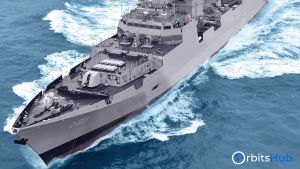
Hyundai Heavy Industries Group
Topping our list is Hyundai Heavy Industries Group, a South Korean conglomerate known for its excellence in shipbuilding. With a rich history spanning several decades, Hyundai Heavy Industries Group has consistently delivered innovative vessels across various sectors, including commercial shipping, oil and gas, and defense. Notable recent projects include the construction of LNG-powered vessels and eco-friendly designs aimed at reducing carbon emissions.
Daewoo Shipbuilding & Marine Engineering (DSME)
DSME, also based in South Korea, is renowned for its expertise in building advanced offshore structures and specialized vessels. The company has a strong focus on technological advancements, such as smart ship solutions and the development of autonomous vessels. DSME’s commitment to sustainable practices has positioned it as a key player in the shipbuilding industry.
China State Shipbuilding Corporation (CSSC)
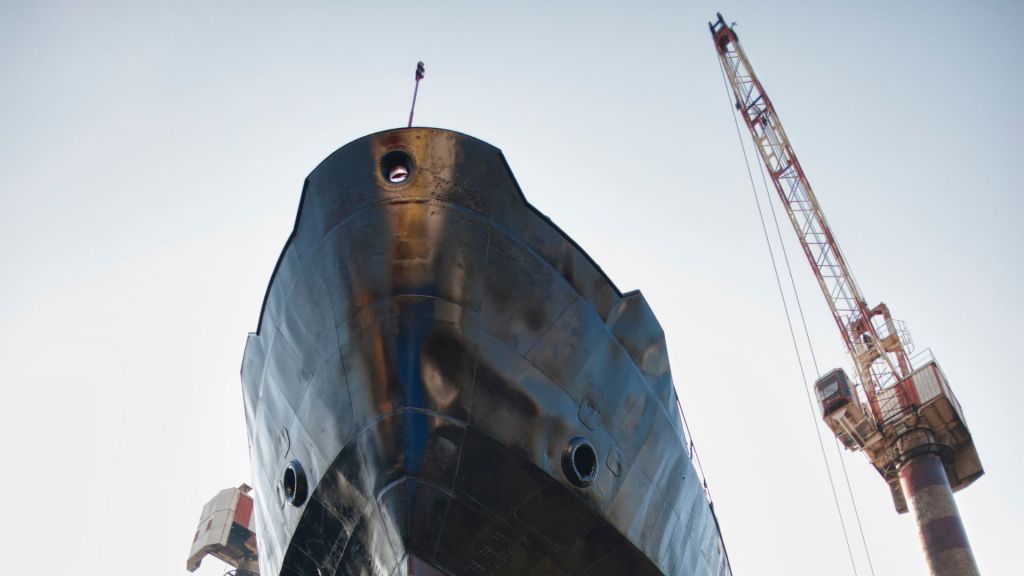
CSSC, a state-owned enterprise in China, is one of the largest shipbuilding companies globally. With its extensive production capabilities, CSSC has been instrumental in the country’s ambitions to become a maritime superpower. The company is known for its high-quality vessels, including container ships, LNG carriers, and naval vessels. CSSC’s pursuit of green shipping technologies has significantly contributed to a more (SF) sustainable future for the industry.
Samsung Heavy Industries
Samsung Heavy Industries, also based in South Korea, boasts a diverse portfolio of shipbuilding projects, ranging from commercial vessels to complex offshore structures.The corporation has pioneered the design of LNG carriers and FPSO (floating production storage and offloading) vessels. Samsung Heavy Industries’ commitment to safety, quality, and innovation has earned it a prominent place in the global shipbuilding market.
Mitsubishi Heavy Industries (MHI)
MHI, a Japanese multinational engineering company, has a long-standing reputation for excellence in shipbuilding. It specializes in building cruise ships, ferries, and naval vessels. MHI’s focus on energy-efficient designs and the use of alternative fuels has positioned it as a key player in the sustainable shipbuilding sector. The company’s recent projects include the construction of next-generation passenger ships and the development of hydrogen-powered vessels.
China Shipbuilding Industry Corporation (CSIC)
CSIC, another major player in China’s shipbuilding industry, has a wide-ranging expertise in the construction of various ship types, including submarines and aircraft carriers. The company has made significant strides (S) in developing advanced marine technologies, such as intelligent ship systems and unmanned surface vessels. CSIC’s dedication to research and development has contributed to its rapid growth and global recognition.
Fincantieri
Based in Italy, Fincantieri is one of the world’s leading shipbuilding companies, known for its craftsmanship and high-quality vessels. The company specializes in luxury cruise ships and has partnered with renowned cruise lines to deliver innovative and luxurious designs. Fincantieri’s commitment to sustainability is evident through its eco-friendly shipbuilding practices, including the use of advanced propulsion systems and waste management solutions.
Japan Marine United Corporation (JMU)
JMU is a Japanese shipbuilding company that has gained recognition for constructing cutting-edge naval vessels and offshore structures. The company’s focus on (R&D) research and development has resulted in the integration of advanced technologies, such as (AI) artificial intelligence and robotics, into their shipbuilding processes. JMU continues to push the boundaries of innovation, contributing to the advancement of the global shipbuilding industry.
Aker Solutions
Aker Solutions, based in Norway, focuses on providing innovative solutions for the offshore energy industry. The company’s expertise lies in the construction of advanced offshore support vessels, drilling rigs, and floating production units. Aker Solutions’ commitment to sustainability and its investment in renewable energy projects position it as a leading player in the transition to a greener offshore industry.
Navantia

Navantia, a Spanish shipbuilding company, has established itself as a key player in the naval sector. The company specializes in the construction of frigates, submarines, and amphibious vessels. Navantia’s commitment to advanced engineering and naval defense systems has earned it international recognition and prestigious contracts from various navies worldwide.
The shipbuilding industry is a vital component of global trade and transportation, and the top 10 shipbuilding companies mentioned above are at the forefront of shaping its future. These companies have demonstrated excellence in ship design, construction, and technological innovation. From South Korea’s Hyundai Heavy Industries Group and Samsung Heavy Industries to China’s CSSC and CSIC, these companies have contributed significantly to the industry’s growth. Additionally, companies like DSME, MHI, and Fincantieri have showcased their commitment to sustainability and the development of eco-friendly vessels.
As the maritime industry continues to evolve, shipbuilding companies are embracing technological advancements, sustainable practices, and innovative designs to meet the increasing demand for modern, efficient, and environmentally-friendly vessels. The top 10 shipbuilding companies listed in this blog represent the pinnacle of excellence in the industry, driving innovation and (SF) shaping the future of global maritime transportation.