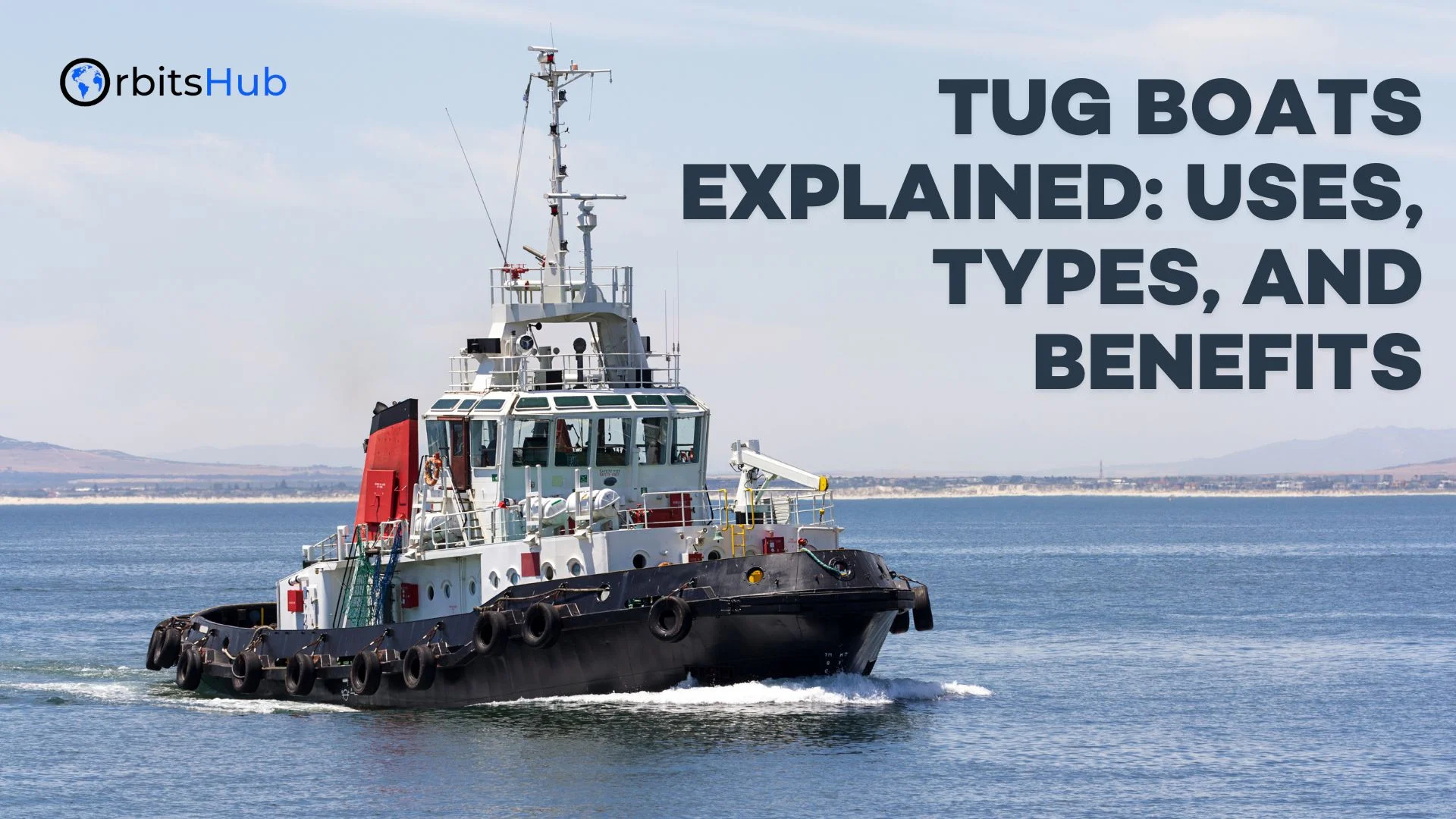
Tug boats are vital in maritime logistics, supporting port operations, offshore structures, and naval movements. They are essential for vessel safety, harbor traffic control, and emergency response despite their size. This guide outlines tug boat’s key uses, types, and benefits, providing maritime professionals and decision-makers with practical insights into their strategic importance in modern naval operations.
The Role of Tug Boats in Maritime Operations
Tug boats are specially designed vessels that assist in towing or pushing ships. Their power, maneuverability, and compact size make them crucial in environments where precision and control are non-negotiable.
Why Tug Boats Matter
Safe Docking and Undocking: Large ships lack the agility for tight port navigation. Tug boats guide them safely in and out of ports.
Emergency Support: In rough seas or mechanical failure, tug boats offer towing, salvage, and fire-fighting assistance.
Offshore Stability: Tug boats help position oil rigs and floating structures, ensuring alignment and security.
These functions make tug boats indispensable for day-to-day port operations and national defense and offshore industries.
Types of Tug Boats Used in Modern Maritime
As maritime challenges grow more complex, tug boat design has evolved. Today’s fleet includes various types engineered for specific tasks and operating environments.
1. Harbor Tugs
Also known as conventional tugs, these vessels are primarily used within ports and harbors. They have powerful engines and operate with forward and reverse thrust to assist large ships in tight areas. It is ideal for Berthing operations, port guidance, and inland waterways.
2. Ocean-going Tugs
These robust tug boats are built for long-range towing and operate in open waters. Often deployed for towing disabled ships or supporting salvage missions, they are equipped with advanced navigation and communication systems. It is ideal for Deep-sea towing, offshore support, and naval missions.
3. Escort Tugs
Designed to assist large vessels in high-speed navigation routes, escort tugs play a vital safety role. They can rapidly respond to emergencies and are usually deployed in channels where quick maneuverability is critical. It is ideal for LNG carriers, oil tankers, and busy maritime corridors.
4. Azimuth Stern Drive (ASD) Tugs
These high-tech tugs use azimuth thrusters instead of traditional propellers, offering 360-degree maneuverability. ASD tugs are increasingly favored for their precise control and power. It is Ideal for tight maneuvering in busy ports, especially with modern large vessels.
5. Voith Schneider Propeller (VSP) Tugs
Using a unique propulsion system, VSP tugs provide exceptional directional control and stopping power. They are used in ports where delicate handling is required. It is ideal for High-precision towing and docking in confined spaces.
Key Benefits of Tug Boats for the Maritime Sector
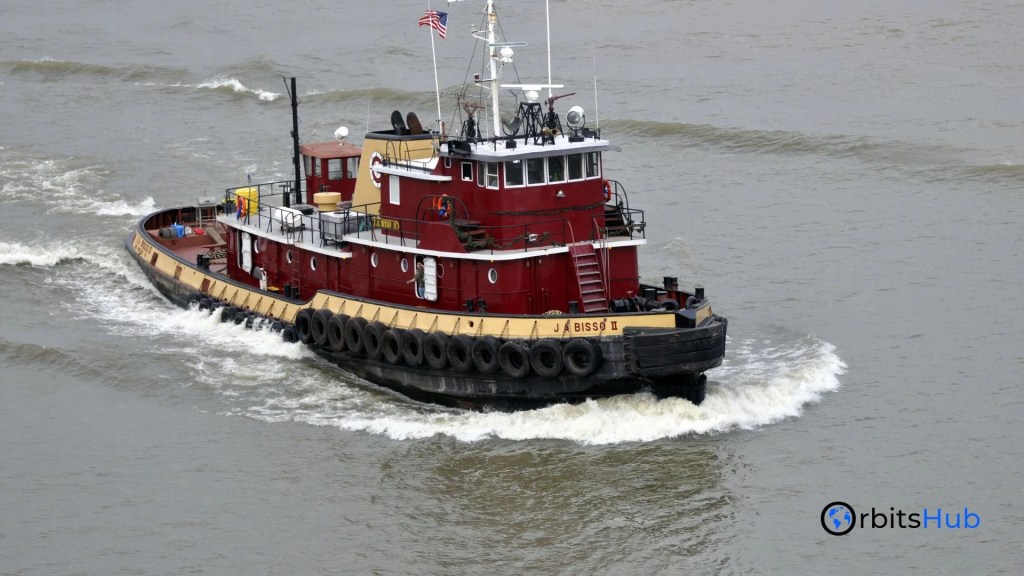
Understanding the benefits of tug boats extends beyond their operational utility. Their presence directly contributes to safety, efficiency, and environmental sustainability.
Improved Navigational Safety
Tug boats significantly reduce the risk of collisions and groundings in congested or challenging maritime zones. For large commercial or military vessels, relying on tug boat support ensures smooth and incident-free docking.
Enhanced Port Efficiency
Efficient port turnaround times are essential for global trade. Tug boats expedite berthing operations, minimize delays, and keep traffic flowing, helping ports remain competitive in today’s supply-driven economy.
Offshore Operational Support
Tug boats are essential in offshore logistics, from positioning oil platforms to stabilizing floating wind farms. Their flexibility in handling dynamic loads and environmental factors makes them key players in offshore expansion.
Emergency Response and Recovery
Tug boats serve as first responders when a vessel experiences mechanical failure, runs aground, or catches fire. Many are equipped with fire-fighting systems, salvage gear, and towing lines for quick deployment.
Support for Naval and Defense Applications
In military and defense operations, tug boats serve a strategic role. Their reliability and tactical importance cannot be overstated, from maneuvering warships to supporting amphibious operations.
Innovations and Sustainability in Tug Boat Design
Tug boats are not left behind as the maritime sector moves toward greener practices. Innovation drives new designs that align with global emission goals and operational efficiency.
Hybrid and Electric Tug Boats
Leading shipbuilders are now introducing hybrid and fully electric tug boats. These models reduce emissions, lower fuel consumption, and are quieter, making them ideal for operations near urban areas.
Example: Battery-assisted tug boats capable of operating for hours on electric power alone while switching to diesel when needed.
Autonomous and Remote-Controlled Tugs
Technology innovators in the maritime industry are testing autonomous tug boats. These vessels use AI, GPS, and advanced sensors to perform docking maneuvers with minimal human input.
Impact: Increased safety and efficiency, especially in hazardous or high-traffic areas.
Alternative Fuels and Emission Controls
The adoption of LNG, hydrogen, and biofuels is on the rise. Combined with real-time emissions monitoring and innovative routing systems, these upgrades are redefining the carbon footprint of tugboat fleets.
Strategic Importance for Maritime Stakeholders

Tugboats represent more than operational support for corporate decision-makers, defense officials, and port authorities. They are strategic assets.
Risk Management: Reduces insurance costs and liability by lowering the chance of incidents.
Operational Continuity: Ensures smooth operations even in adverse conditions.
Regulatory Compliance: Helps meet IMO and environmental standards, especially in emission control areas (ECAs).
Reputation and Reliability: A robust tug fleet boosts a port’s credibility and trust among global shipping clients.
Tug Boats: Essential Assets for Modern Maritime Operations
Tug boats are essential in maritime infrastructure, supporting large vessels in ports, offshore operations, and naval tasks. Their roles include towing, maneuvering, and emergency response. With advancements in hybrid propulsion, automation, and eco-friendly designs, they enhance port efficiency, aid in environmental compliance, and support national maritime strategies, making them crucial for modern, sustainable naval operations.
FAQs
1. What is the primary purpose of a tug boat in port operations?
Tug boats assist large vessels in docking, undocking, and navigating tight port spaces safely and efficiently.
2. Are there environmentally friendly tug boats available today?
Many modern tugboats use hybrid or electric propulsion to reduce emissions and support sustainable maritime practices.