Types of Sailing Boats
Sailing boats, or sailboats, come in various designs, including monohulls, catamarans, and trimarans, each offering unique stability and performance benefits. Keel types like fin, wing, bulb, long, and bilge keels influence balance and maneuverability. Rudder designs such as keel-hung, spade, skeg-hung, transom-hung, and twin rudders affect steering control. Different mast configurations and sail plans, including masthead and fractional sloops, cutters, ketches, yawls, schooners, gaff rigs, and unstayed rigs, determine the rigging and sailing capabilities. These elements combine to provide tailored sailing experiences for various needs and preferences.
Hull Types
The hull is the backbone of any sailing boat, defining its structure, stability, and performance. Sailing boats typically fall into three main categories based on hull design: monohulls, catamarans, and trimarans.
Monohulls: Classic Style and Performance

Monohulls, with their singular, deep keel, are the most traditional and common hull type. They are revered for their classic sailing experience, providing a tangible connection to the sea’s rhythm. These boats rely on the keel’s weight to counterbalance the force of the wind on the sails, creating a thrilling, heeling motion that many sailors love. They offer a perfect blend of agility and stability, making them ideal for both casual cruising and competitive racing.
Step into the world of timeless elegance and unmatched performance with monohulls – the single-hulled marvels that embody the essence of sailing. With a deep keel and a streamlined design, these sailboats offer a dynamic and responsive sailing experience, making them perfect for competitive racing and adventurous voyages. Monohulls capture the spirit of the sea, delivering a thrilling ride that connects sailors with the water.
Key Features and Specifications:
- Single Hull: Provides a classic sailing experience with excellent stability and handling, ideal for seasoned sailors.
- Deep Keel: Enhances stability and performance, especially in challenging conditions, ensuring a secure and exciting ride.
- Streamlined Design: Cuts through the water efficiently, allowing for impressive speed and agility, perfect for racing and long-distance cruising.
- Versatility: Suitable for a variety of sailing activities, from competitive racing to extended voyages, catering to diverse sailing preferences.
Catamarans: Twin Hulls, Infinite Possibilities
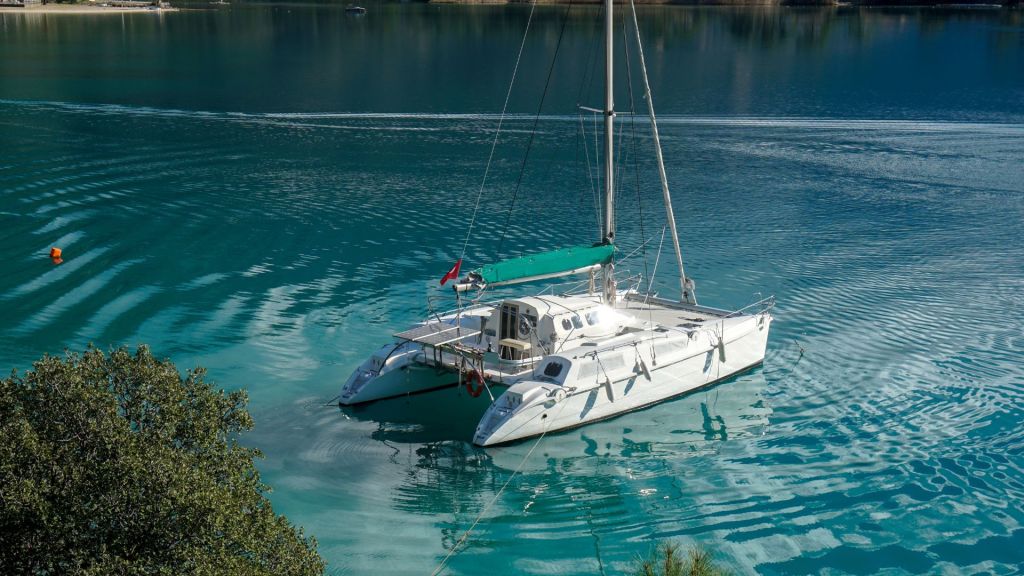
Catamarans, featuring two parallel hulls, offer a different experience altogether. Their wide beam provides exceptional stability, minimizing heeling and allowing for a more comfortable ride, especially for those new to sailing. The dual-hull design reduces water resistance, enabling faster speeds and improved efficiency. Catamarans are favored for their spacious decks and cabins, making them a popular choice for leisurely cruising and family sailing adventures.
Venture into the realm of modernity and innovation with catamarans – the twin-hulled wonders that rewrite the rules of stability and speed. Connected by a spacious deck, these sailboats offer roomy layouts and a stable platform, making them a popular choice for everything from leisurely cruises to exciting races. Catamarans redefine spaciousness, as if carrying a slice of land over the water.
Key Features and Specifications:
- Twin Hulls: Provides exceptional stability and spacious interiors, making it suitable for family cruises.
- High-Speed Potential: The design reduces drag and allows for faster speeds than traditional monohull sailboats.
- Ample Space: Features expansive deck spaces and roomy interiors, enhancing comfort during longer journeys.
Trimarans: Three Hulls, One Adventure

Trimarans take stability and speed to the next level with their three-hull configuration. The central hull is flanked by two smaller outrigger hulls, which provide unparalleled balance and prevent capsizing. This design offers immense form stability, allowing trimarans to harness higher speeds and handle rougher seas with ease. Trimarans are often the vessel of choice for adventurous sailors looking to push the boundaries of performance and exploration.
In the quest for the perfect blend of speed and stability, trimarans emerge as the triumphant answer. With a central main hull flanked by two smaller outrigger hulls, these vessels unite the best of monohulls and catamarans. Imagine the trimaran as a swift arrow – cutting through waves with grace while maintaining an unwavering balance.
Key Features and Specifications:
- Three Hulls: Combines stability of a catamaran with the speed of a monohull.
- Aerodynamic Efficiency: The central hull cuts through water efficiently, while the side hulls provide stability.
- Adventure Ready: Designed for high-speed cruising and capable of handling various water conditions.
Keel Types
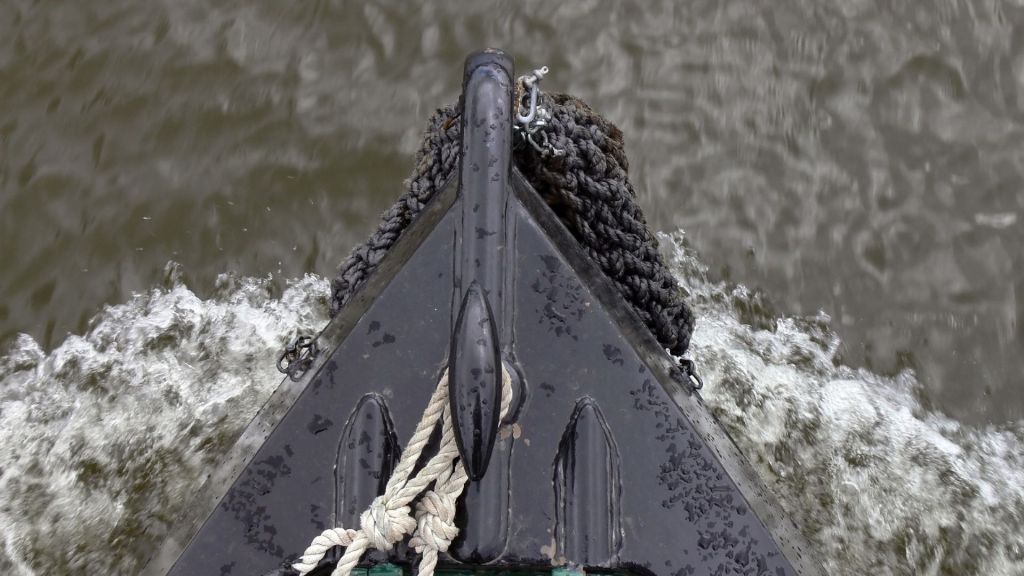
The keel is a fundamental component of a sailboat, providing stability, counterbalance, and directional control. Keels come in various designs, each offering unique characteristics and benefits. Sailboats typically feature one of several main types of keels: fin keels, wing keels, bulb keels, long keels, bilge keels, or retractable keels like centerboards and daggerboards.
Fin Keels: Precision Performance, Modern Efficiency
Fin keels, characterized by their sleek, blade-like shape, represent a significant advancement in sailboat design. These relatively short, deep keels provide excellent lateral resistance, enhancing a boat’s ability to sail upwind while minimizing drag. Fin keels are favored for their balance of performance and practicality, offering improved maneuverability and speed without sacrificing stability.

Dive into the realm of modern sailing innovation with fin keels – the streamlined appendages that revolutionized sailboat performance. Attached to the hull’s bottom, these hydrodynamic marvels deliver a perfect blend of speed and control. Fin keels have become the standard on many contemporary sailboats, from day sailors to offshore racers, thanks to their versatility and efficiency.
Key Features and Specifications:
- Hydrodynamic Shape: Reduces drag and improves overall sailing efficiency.
- Upwind Performance: Enables boats to point closer to the wind and make less leeway.
- Versatility: Suitable for a wide range of sailing conditions and boat sizes.
Wing Keels: Innovative Design, Enhanced Stability
Wing keels, distinguished by their unique T-shaped profile, represent a clever evolution in keel design. These keels feature horizontal wings at the bottom, increasing lateral resistance and stability without adding excessive depth. Wing keels are particularly valued for their ability to reduce draft while maintaining performance, making them ideal for shallow-water sailing.
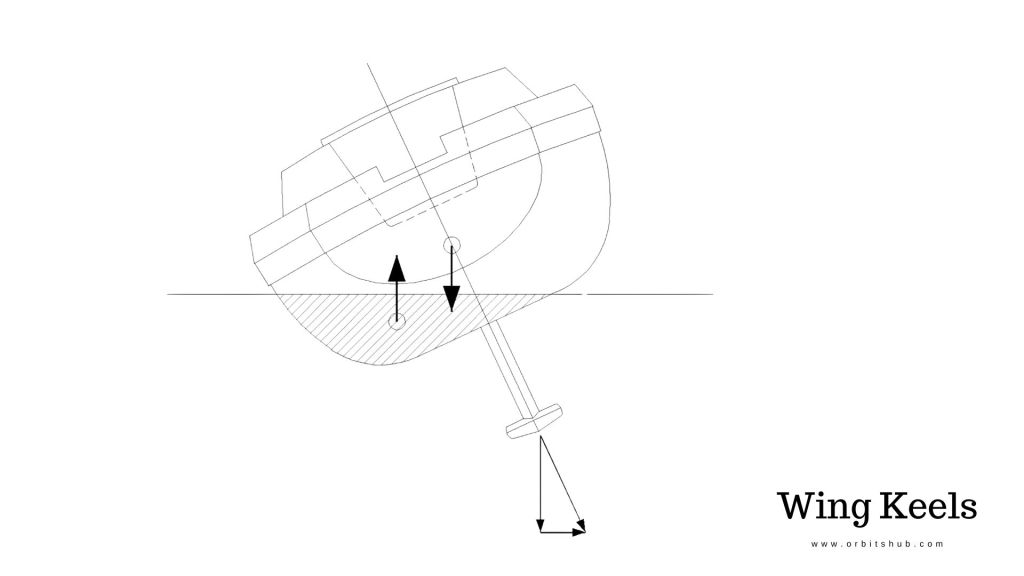
Enter the world of nautical ingenuity with wing keels – the T-shaped underwater appendages that challenge traditional design norms. By spreading ballast horizontally, these keels offer impressive stability in a compact package. Wing keels have found favor among cruising sailors and designers of boats intended for versatile use in varying water depths.
Key Features and Specifications:
- Reduced Draft: Allows access to shallower waters without compromising stability.
- Increased Lateral Resistance: Improves upwind performance and reduces leeway.
- Compact Design: Offers a good balance of performance and practicality for cruising boats.
Bulb Keels: Concentrated Ballast, Optimized Performance
Bulb keels feature a distinctive torpedo-shaped weight at the bottom of a fin keel, concentrating ballast at the lowest possible point. This design maximizes the righting moment, allowing for a smaller, more hydrodynamic keel profile. Bulb keels are prized in racing circles for their ability to enhance performance while maintaining stability.

Explore the cutting edge of sailing performance with bulb keels – the streamlined underwater profiles that push the boundaries of speed and efficiency. By positioning weight precisely where it’s most effective, bulb keels allow for lighter, faster boats without sacrificing stability. This design has become a staple in modern racing yachts and high-performance cruisers.
Key Features and Specifications:
- Optimized Ballast Placement: Increases stability and allows for a smaller overall keel.
- Reduced Wetted Surface: Minimizes drag, potentially increasing boat speed.
- High-Performance Design: Favored in racing and performance-oriented sailing applications.
Long Keels: Traditional Stability, Steadfast Reliability
Long keels, extending along much of the boat’s length, embody the classic approach to sailboat design. These full-length appendages provide exceptional directional stability and tracking, making them ideal for blue water cruising and heavy weather sailing. Long keels offer a forgiving nature, with their gradual curves reducing the risk of sudden stalls or loss of control.

Step back in time to the golden age of sailing with long keels – the time-honored underwater profiles that have guided vessels across oceans for centuries. These full-length keels offer a sense of security and predictability that many seasoned sailors swear by. While less common on modern production boats, long keels continue to find favor among bluewater cruisers and traditionalists who value their steady, reliable performance.
Key Features and Specifications:
- Excellent Tracking: Maintains course effortlessly, reducing the need for constant steering corrections.
- Heavy Weather Performance: Provides stability and predictability in challenging sea conditions.
- Robust Design: Offers protection to the propeller and rudder, ideal for long-distance cruising.
Bilge Keels: Dual Stability, Versatile Functionality
Bilge keels, consisting of two smaller keels mounted on either side of the hull, offer a unique approach to sailboat design. These paired keels provide stability and the ability to sit upright when the tide goes out, making them particularly popular in areas with significant tidal ranges. Bilge keels are favored for their versatility and practicality in coastal cruising scenarios.

Discover the world of adaptable sailing with bilge keels – the twin appendages that redefine stability and convenience. By distributing lateral resistance across two smaller keels, these designs offer a balanced compromise between performance and practicality. Bilge keels have carved out a niche among sailors who frequent tidal waters or prefer the ability to beach their boats safely.
Key Features and Specifications:
- Beaching Ability: Allows the boat to sit upright on dry land, ideal for maintenance or in tidal areas.
- Reduced Draft: Enables navigation in shallower waters compared to single, deeper keels.
- Stable Design: Provides good stability, particularly when heeled, enhancing comfort for cruising.
Centerboards: Adjustable Depth, Versatile Performance
Centerboards are retractable keels that can be raised or lowered through a slot in the hull. This adjustable design allows for variable draft, making centerboard boats highly versatile. They excel in shallow waters when raised, yet provide excellent upwind performance when lowered. Centerboards are common on smaller sailboats and are appreciated for their adaptability to different sailing conditions.
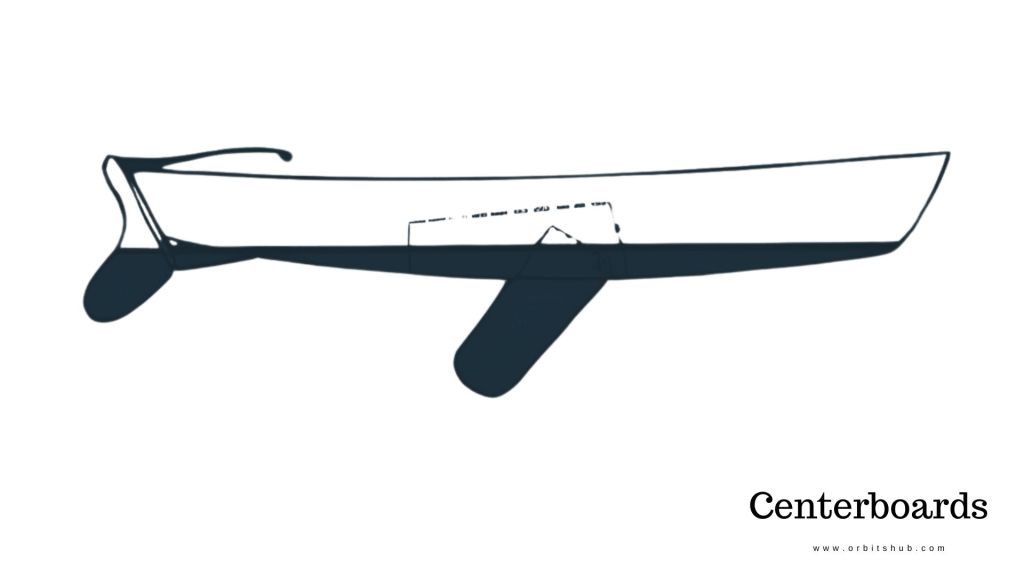
Embrace the flexibility of sailing with centerboards – the adaptable appendages that offer the best of both worlds. With the ability to adjust your boat’s draft on the fly, centerboards open up a world of sailing possibilities. From navigating shallow coastal waters to racing on open lakes, centerboard-equipped boats offer unparalleled versatility for sailors who demand adaptability.
Key Features and Specifications:
- Adjustable Draft: Allows for sailing in varying water depths.
- Improved Upwind Performance: When fully lowered, provides excellent lateral resistance.
- Versatile Design: Suitable for a wide range of sailing environments and conditions.
Daggerboards: Sleek Efficiency, Racing Performance
Daggerboards are vertical foils that can be fully raised or lowered through a slot in the hull. Unlike centerboards, daggerboards don’t pivot but slide straight up and down. This design allows for a more hydrodynamic shape, reducing drag and improving performance. Daggerboards are commonly found on high-performance sailboats, catamarans, and racing dinghies.

Streamlined foils designed to cut through the water in an exact fashion to create the least drag. Offering minimum resistance when lowered and raising to reduce draft, daggerboards offer the highest degree of efficiency in the design of the keel. It becomes an appendage that has become a staple in competitive sailing where every fraction of a knot counted.
Key Features and Specifications:
- High Efficiency: Provides excellent lateral resistance with minimal drag.
- Full Retraction: Can be completely removed from the water, reducing drag when not needed.
- Performance-Oriented: Favored in racing applications for their speed and maneuverability.
Rigging and Sail Plan Types
The configuration of a boat’s mast and sails defines its rigging and sailing capabilities, impacting performance, ease of handling, and suitability for various sailing conditions.
Sloops: A Classic Choice
At the heart of sailboat diversity lies the sloop, a true classic. With its single mast proudly reaching for the sky, adorned with a mainsail and complemented by a jib or genoa at the front, the sloop strikes the perfect balance between elegance and efficiency. Versatility is its middle name, allowing it to tackle everything from leisurely cruises to thrilling races. The sloop’s simplicity and performance have solidified its place as one of the most beloved sailboat types.

Masthead sloops are the most common rig, featuring a single mast with the forestay attached at the masthead, supporting a mainsail and a large headsail or genoa. This setup balances power and simplicity, making it ideal for both cruising and racing.
Fractional sloops have the forestay attached below the masthead, offering better control over sail shape and balance. This rig is preferred for performance sailing as it allows for more precise adjustments to optimize sail power.
Key Features and Specifications:
- Single Mast Design: A single mast configuration makes it easier to handle and reduces complexity in rigging.
- Versatile Sailing: Capable of both leisurely cruises and competitive racing due to its balanced design.
- Efficient Sails: Typically equipped with a mainsail and a jib or genoa, enhancing its upwind performance.
Cutters: Masters of Control
Imagine the sloop’s sophistication taken up a notch – that’s where cutters come into play. With not one, but two headsails on the forestay, cutters offer unparalleled sail control and adaptability. These sailors excel in navigating various wind conditions, making them a preferred choice for those seeking offshore adventures. When the winds shift, cutters dance with the elements, showcasing their finesse and mastery.
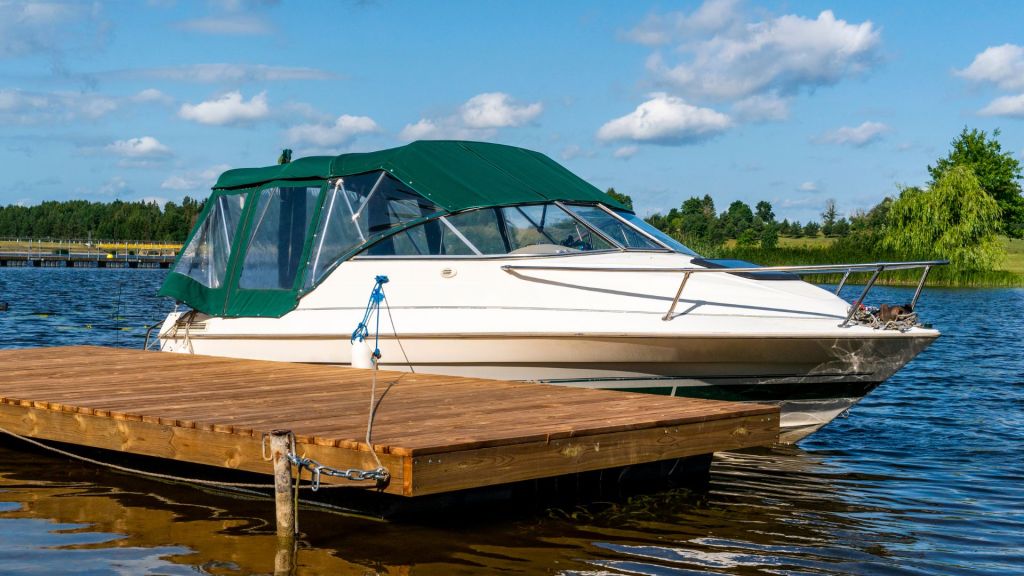
Cutter rigs include a single mast set further aft with two headsails. This configuration offers versatility, with different sail combinations suited for various wind conditions, making it popular for long-distance cruising.
Key Features and Specifications:
- Dual Headsails: Equipped with two headsails which provide better control and handling in various wind conditions.
- Offshore Capability: Designed for long-distance sailing with features that offer robust performance in offshore conditions.
- Enhanced Sail Plan: Allows for more precise sail adjustments and handling, especially useful in challenging weather.
Ketch and Mizzen: A Symphony of Balance
As the wind whispers tales of distant shores, the ketch gracefully emerges. Two masts, distinct in height, create a symphony of balance on the waves. The main mast stands tall, while the mizzen mast, situated aft of the cockpit, adds harmony to the composition. Long-distance cruising is where the ketch truly shines, effortlessly gliding through extended voyages with its ease of handling and reliable equilibrium.

Ketches and yawls feature two masts, with the second, shorter mast located aft of the mainmast. Ketches have the mizzen mast forward of the rudder post, while yawls place it aft. These rigs distribute sail area for easier handling and reduced sail sizes, enhancing balance and control on long voyages.
Key Features and Specifications:
- Two-Mast Setup: Features a main mast and a smaller mizzen mast, improving stability and balance.
- Ease of Handling: The sail plan divides the sail area into more manageable parts, making handling easier, especially under tough conditions.
- Long-Distance Cruising: Optimally designed for extended voyages with a focus on comfort and self-sufficiency.
Yawl: A Dance of Two Masts

Similar to the ketch, yet distinct in its own right, the yawl takes center stage. A smaller mizzen mast, positioned even further aft, adds finesse to its already impeccable balance. The yawl’s mizzen mast isn’t just for show – it’s a guiding star, steering the vessel through the waters with a touch of elegance.
Key Features and Specifications:
- Rear-Positioned Mizzen Mast: Provides better control and balance, enhancing handling in various sailing conditions.
- Subtle Elegance: The design includes a touch of classic elegance, combining functionality with aesthetics.
- Guiding Stability: Ideal for cruising with a layout that supports long-term comfort and stability.
Catboats: Sailing Simplicity Redefined
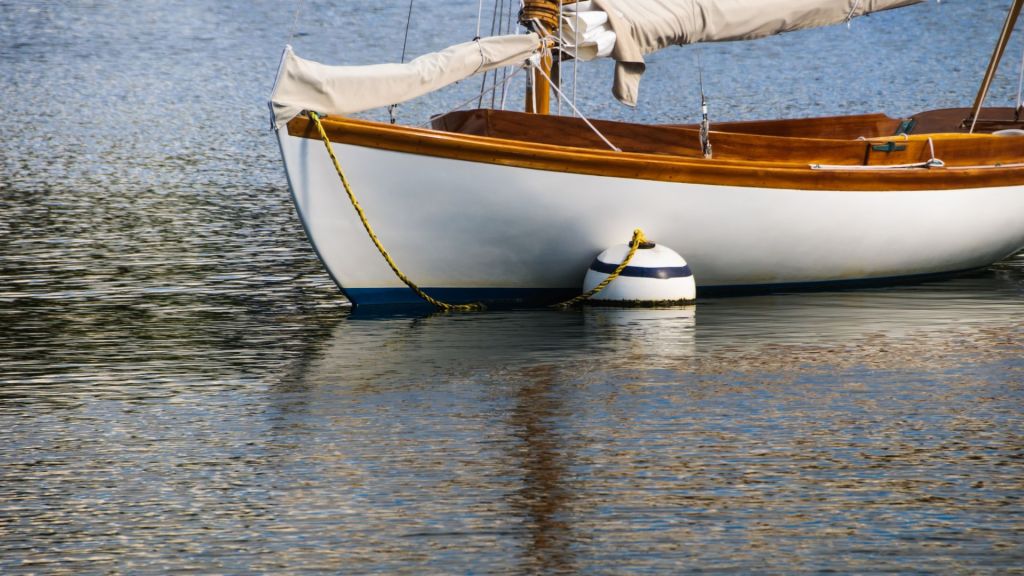
For those who seek the essence of sailing stripped down to its core, the catboat beckons. A solitary mast positioned forward, a single sail – catboats embrace the simplicity that embodies the very spirit of sailing. Beginners find solace in their straightforward rigging, while seasoned sailors revel in their innate charm, perfect for lazy day sails and tranquil contemplation.
Key Features and Specifications:
- Single Sail Simplicity: Features only one sail, making it extremely easy to handle and perfect for beginners.
- Forward Mast Placement: Helps in reducing the complexity of the sailboat’s rigging.
- Ideal for Day Sailing: Designed for ease and simplicity, making it perfect for short and relaxing sailing experiences.
Schooners have multiple masts, with the aft mast taller than the forward mast. This configuration offers excellent balance and a classic aesthetic, suitable for larger vessels and traditional sailing experiences.
Gaff rigs, characterized by a four-sided mainsail hoisted on a gaff, provide a traditional appearance and powerful sail plan. However, they require more skill to handle compared to modern rigs.
Unstayed rigs, such as cat rigs, have no standing rigging and rely on a single mast placed well forward. This simple and robust setup is ideal for small boats and single-handed sailing, offering ease of use and maintenance.
General Boat Types
Dinghies are small and easy to handle, great for training and short trips. Day sailors are perfect for casual outings with simple handling and minimal cabins. Cruisers are equipped for long voyages, offering comfort and amenities. Racing yachts are made to be quick and maneuverable in races. Classic sailboats feature timeless designs and traditional craftsmanship for a nostalgic sailing experience.
Dinghies: Racing with the Wind
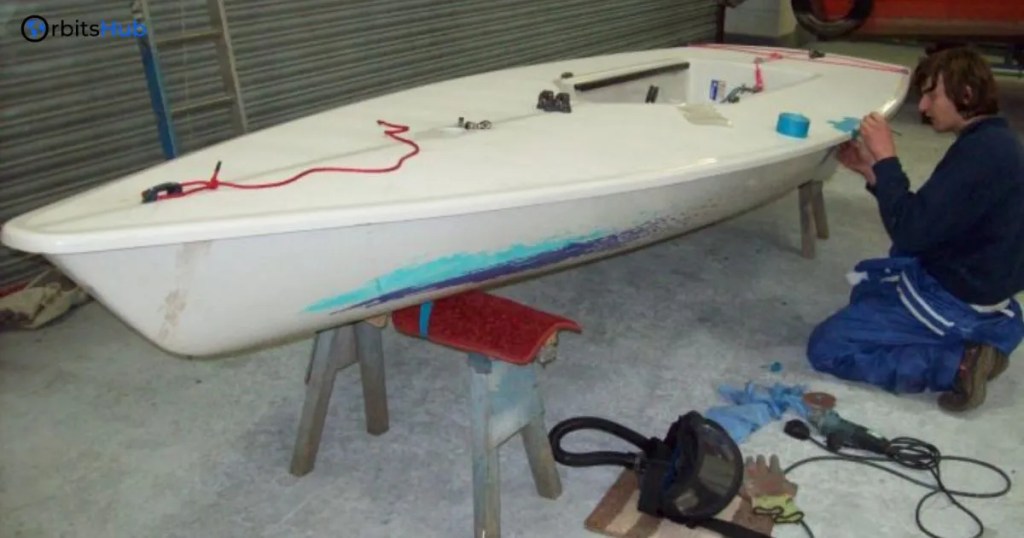
Zooming into the realm of small yet spirited sailboats, we encounter dinghies. These compact open boats are a playground for racing enthusiasts and budding sailors alike. Dinghies boast diverse designs, reflecting the creativity of their skippers. If you seek an adrenaline rush and a closer connection to the water, look no further than these nimble wonders.
Key Features and Specifications:
- Compact and Agile: Small size allows for easy maneuverability and fast sailing experiences.
- Variety in Design: Available in numerous designs to suit racing, training, or leisure.
- Close to Water: Offers an exhilarating sailing experience with a close connection to the water surface.
Day Sailors: A Glimpse of Nautical Freedom
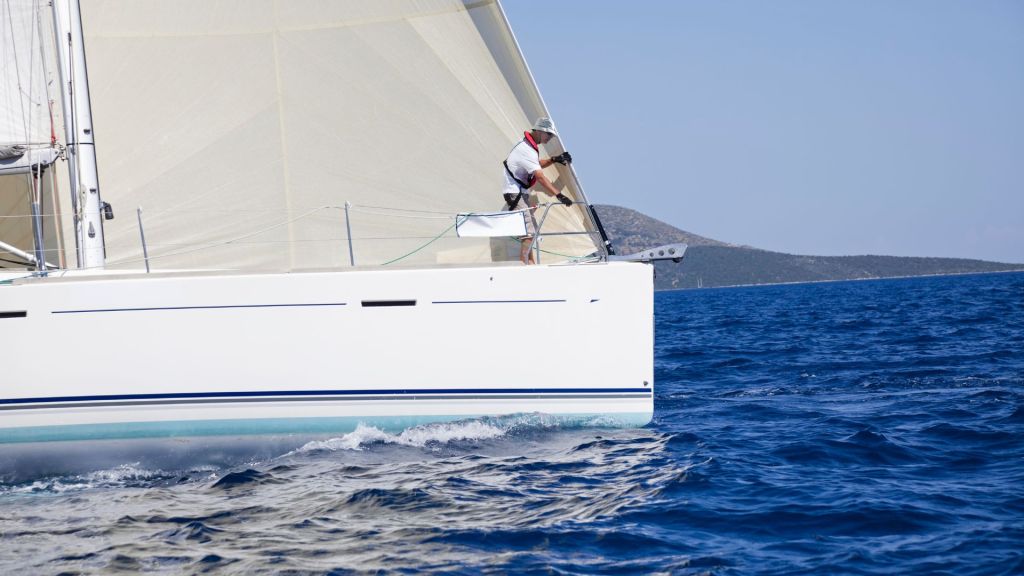
Not all sailing journeys are bound for the horizon. Day sailors, with their focus on short-duration excursions, offer a taste of nautical freedom without the need for overnight accommodations. Compact and easily maneuverable, they’re the ideal companions for seizing the day on tranquil waters.
Key Features and Specifications:
- Short-Duration Design: Optimized for day trips with features that prioritize ease of use and convenience.
- Easy to Maneuver: Smaller size and less complex rigging make it ideal for novice sailors.
- Freedom of Sailing: Provides a taste of sailing without the need for extensive preparations or accommodations.
Cruisers: Navigating Comfortable Horizons

Embarking on a voyage of extended proportions demands a sailboat designed with comfort in mind. Enter the cruiser – a vessel equipped with cabins, galleys, and bathrooms, tailored for a life at sea. Whether it’s a leisurely exploration or a prolonged expedition, cruisers welcome sailors with open arms, offering a home away from home on the waves.
Key Features and Specifications:
- Built for Comfort: Equipped with essential amenities like cabins, galleys, and bathrooms.
- Extended Voyages: Designed to handle longer journeys with features that ensure safety and comfort.
- Home on Water: Offers a stable and comfortable environment suitable for living aboard during long sea voyages.
Racing Sailboats: Where Speed Meets Finesse
If the thrill of competition runs through your veins, racing sailboats will ignite your passion. Crafted for velocity and precision, these vessels boast cutting-edge rigging, lightweight structures, and sails optimized for the thrill of the race. As they slice through the water, racing sailboats are a testament to the synergy between human skill and nautical engineering.
Key Features and Specifications:
- High-Speed Design: Built for performance with advanced materials and streamlined shapes.
- Competitive Edge: Features state-of-the-art rigging and sail designs for optimal speed.
- Precision Sailing: Engineered for experienced sailors who seek to challenge their sailing skills in competitive environments.
Classic Elegance: Nodding to Tradition
Nostalgia takes the helm as we delve into the world of classic and traditional sailboats. These vessels pay homage to historical designs, channeling the elegance of a bygone era. From sloops to schooners, each classic sailboat is a floating piece of history, inviting sailors to embrace the past while sailing towards the future.
Key Features and Specifications:
- Traditional Design: Echoes the historical elegance of classic sailboat designs.
- Cultural Heritage: Often preserved or restored to maintain historical accuracy and aesthetic.
- Nostalgic Experience: Offers a unique sailing experience that emphasizes connection with sailing’s historical roots.
Choosing Your Sailing Companion: Navigating the Decision
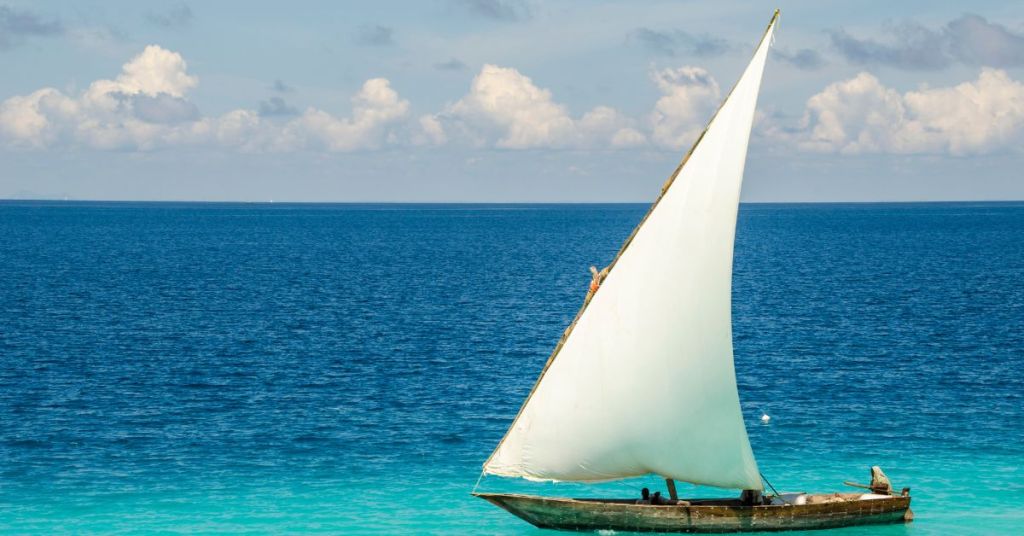
In the grand theater of sailboat types, choosing the perfect vessel is akin to casting the right actor for a leading role. Your decision hinges on your intended use, skill level, the sailing environment, and personal preferences. Are you chasing the thrill of speed, the embrace of comfort, or the simplicity of the open sea? Each sailboat type brings a unique set of advantages and considerations to the table. To find your perfect match, embark on a journey of research, exploration, and perhaps even a test sail or two.
Charting the Course of Diversity
As the sun sets, spilling a rainbow of colors onto the water, one thing becomes abundantly clear: the variety of sailboats out there is a symphony, a mixture of design and purpose that speaks to every sailor’s soul. So whether you’re a seeker of speed, an adventurer of distant horizons, or a connoisseur of classic elegance, there’s a sailboat type waiting to carry you through the waves, into the unknown, and towards the promise of discovery. Cast off the lines and let the wind guide you – for every sailboat type is a vessel of dreams, and every journey a story waiting to be told.