The Classic Sloop
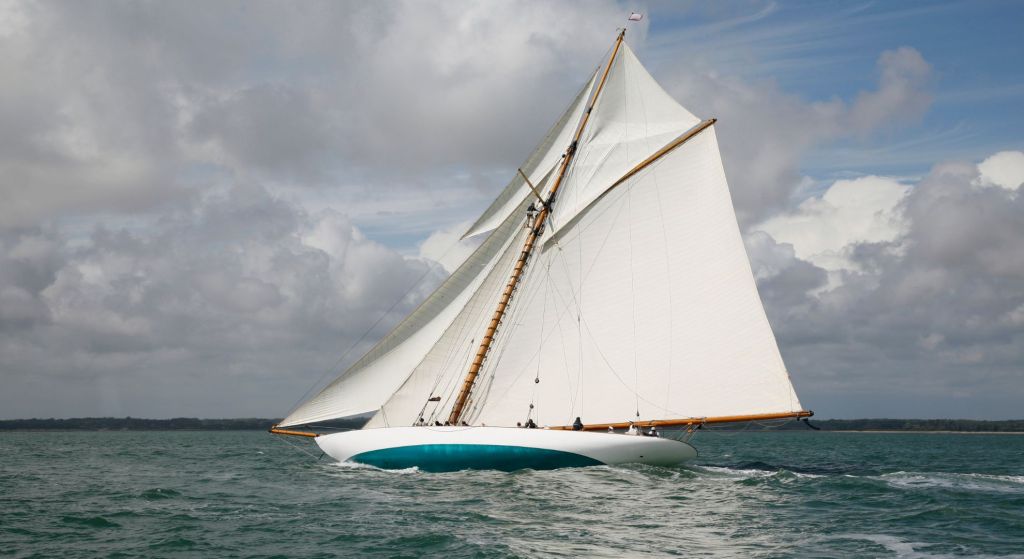
The Sloop is a simple yet efficient vessel with a single mast and a fore-and-aft rigging. Known for its speed and maneuverability, it’s a popular choice for both racing and cruising. The sloop is characterized by its versatile design, making it a favorite among solo sailors.
Majestic Schooners
Schooners are elegant ships with two or more masts and fore-and-aft rigging on each. They were the workhorses of the 18th and 19th centuries, known for their speed and versatility. Schooners like the “Bluenose” became legends in their own right.
Rugged Cutters
Cutters are sturdy vessels with a single mast and multiple sails. Their robust design makes them suitable for both coastal cruising and offshore voyages. They are often favored by sailors seeking a balance between performance and comfort.
Versatile Ketches

Ketches feature two masts—the mainmast and a smaller mizzenmast aft. This design provides excellent balance and sail control. Ketches are popular among long-distance cruisers for their stability and ease of handling.
Sturdy Yawls
Yawls resemble ketches but have the mizzenmast positioned closer to the stern. This design choice aids in balance and maneuverability. Yawls have a unique charm and are often chosen by sailors who appreciate tradition.
Graceful Brigantines
Brigantines sport two masts, with the foremast being taller than the mainmast. This design allows for versatility in sail configuration, making brigantines adaptable to various conditions. They played significant roles in naval history.
Powerful Barques
Barques are three-masted ships with only the foremast being square-rigged. The other masts feature fore-and-aft sails. Barques were favored by explorers and traders due to their combination of power and maneuverability.
Legendary Clippers
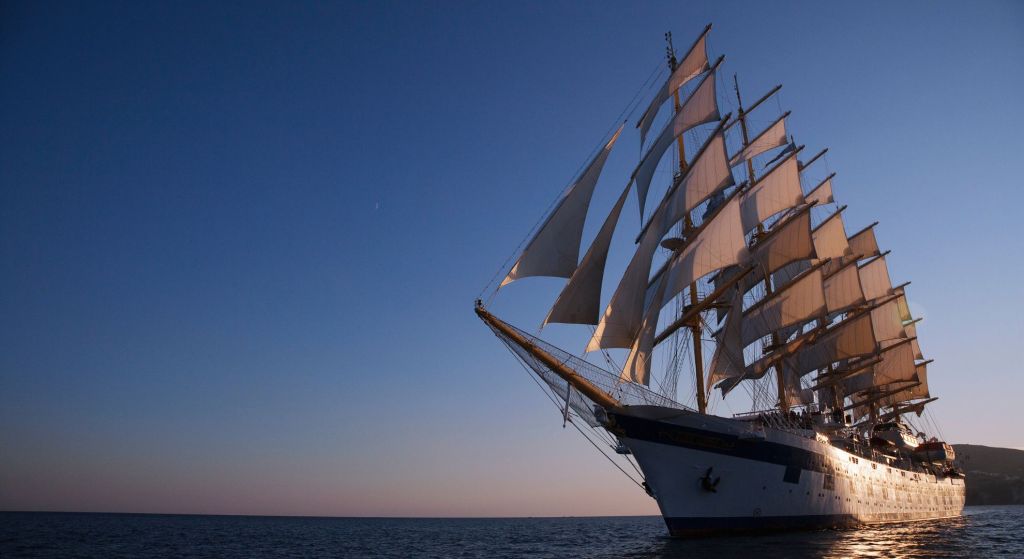
Clippers are famous for their sleek lines and incredible speed. These vessels, primarily used in the 19th century, were designed for the rapid transport of goods, particularly tea and spices. Clippers like the “Cutty Sark” are celebrated for their contributions to trade.
The Mighty Galleon
Galleons are synonymous with the Age of Exploration. These massive, heavily armed ships were the backbone of European fleets in the 16th and 17th centuries. Galleons like the “San Felipe” were instrumental in discovering new worlds.
The world of sailing ships is a testament to human ingenuity and a rich tapestry of maritime history. Each type of sailing ship represents a unique chapter in our seafaring heritage, from the nimble sloops to the mighty galleons. Whether you’re a sailor, historian, or simply a curious adventurer, exploring the diverse world of sailing ships is a journey worth undertaking. Bon voyage!