In the ever-evolving air travel landscape, a groundbreaking force is propelling us into the future – supersonic aircraft. These engineering marvels are redefining the limits of speed and efficiency, promising a revolution in how we traverse the skies. This exploration delves into supersonic flight, uncovering the technology, history, and potential impact on air travel.

Understanding Supersonic Flight
Definition and Mechanism
The term “supersonic flight” describes flights that go faster than the speed of sound, which is around 767 mph (1,235 km/h) at sea level. The key to achieving this phenomenal speed lies in overcoming the sound barrier. Supersonic aircraft utilize advanced aerodynamics and propulsion systems to break through this barrier, opening up possibilities for faster, more efficient travel.
The Sound Barrier and Sonic Booms
They broke the sound barrier, resulting in a sonic boom – a shockwave produced by an object traveling through the air faster than sound. While sonic booms have been a concern, modern supersonic aircraft are designed to minimize these disturbances, paving the way for more widespread acceptance of supersonic travel.
Challenges in Supersonic Aircraft Design
Overcoming Technical Hurdles
Developing supersonic aircraft involves addressing significant technical challenges, such as managing heat generated by high-speed flight, structural stress, and material fatigue. Using advanced materials like titanium and composites and innovations in cooling systems and heat-resistant coatings ensures safety and durability.
Mitigating Sonic Booms
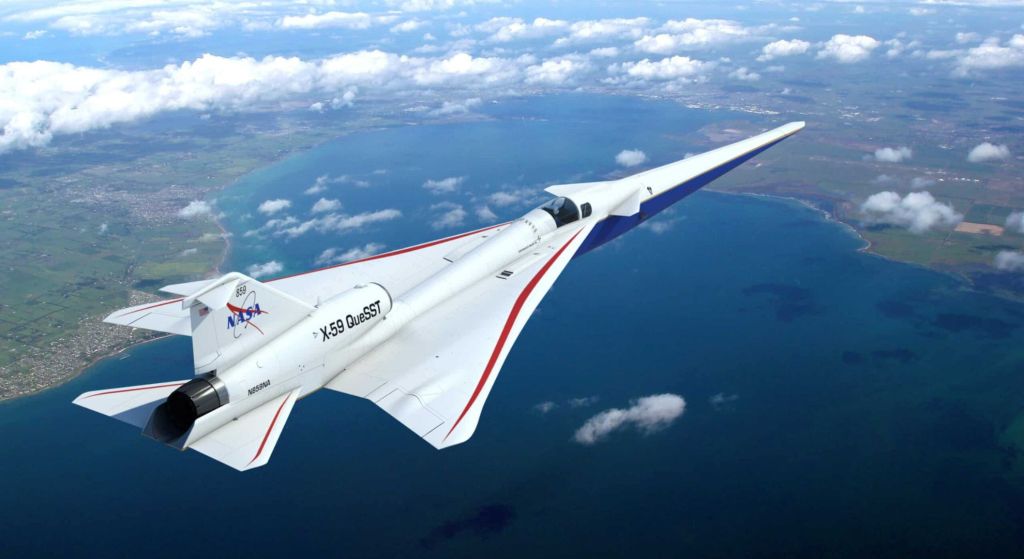
Sonic booms, caused by breaking the sound barrier, are a significant obstacle due to their disruptive noise. Researchers are designing aircraft shapes and flight paths to minimize sonic booms. Projects like NASA’s X-59 QueSST aim to create quieter supersonic aircraft by reshaping them to produce a softer thump instead of a loud boom.
Economic Viability of Supersonic Travel
Cost Considerations
Economic viability hinges on balancing development and operational costs with affordable ticket pricing. High costs related to technology, fuel, and maintenance are challenges. Companies like Boom Supersonic aim to reduce costs through fuel efficiency and scalable production, targeting competitive ticket prices with current business class fares.
Market Demand and Commercialization
Assessing market demand is crucial for commercial success. While business travellers and high-net-worth individuals are primary targets, expanding appeal requires lowering costs and increasing route availability. Market studies and pilot programs will gauge interest and inform strategies for broader commercialization, positioning supersonic travel as a competitive option in aviation.
Historical Perspective
The Concorde Era

The Concorde, an iconic supersonic passenger jet, debuted in the late 20th century and remains a symbol of supersonic achievement. From 1976 to 2003, the Concorde offered a transatlantic flight time of around 3.5 hours, less than half the duration of conventional subsonic aircraft. Despite its success, the Concorde era faced challenges, including high operational costs and environmental concerns, leading to its eventual retirement.
Lessons Learned and Technological Advances
The Concorde era provided valuable insights into the possibilities and challenges of supersonic travel. Technological advances since then have addressed many of these challenges, paving the way for a new era of supersonic flight with enhanced aviation safety, efficiency, and environmental considerations.
Advancements in Supersonic Technology
Aerodynamics and Materials
Modern supersonic aircraft benefit from advancements in aerodynamics and materials. Streamlined designs and lightweight, durable materials enhance fuel efficiency and structural integrity. These innovations optimize speed and address environmental concerns associated with earlier supersonic models.
Propulsion Systems
Propulsion systems play a critical role in achieving and sustaining supersonic speeds. Cutting-edge engines, such as scramjets and ramjets, propel supersonic aircraft by efficiently compressing and combusting air. These propulsion advancements contribute to the efficiency and speed that define the next generation of supersonic travel.
Potential Impact on Air Travel
Reduced Travel Time

One of the most compelling advantages of supersonic aircraft is the significant reduction in travel time. Flights covering long distances, such as transatlantic routes, could be completed in a fraction of the time conventional aircraft requires. This time-saving aspect particularly appeals to business travelers and those seeking efficient global connectivity.
Increased Accessibility
While the Concorde was limited to exclusive routes and a select group of passengers, emerging supersonic aircraft aimed to be more accessible. Efforts are underway to develop supersonic jets that cater to a broader market, making high-speed travel available to a larger demographic and potentially transforming how we approach air transportation.
Environmental Considerations
Addressing environmental concerns is a pivotal aspect of the development of supersonic aircraft. The aviation industry is actively working to minimize the environmental impact of high-speed flight, focusing on reducing emissions and noise levels. Sustainable aviation fuels and advancements in engine technology are crucial components of these efforts.
The Future of Supersonic Travel
Ongoing Projects and Prototypes
Several companies are actively engaged in the development of supersonic aircraft. Prominent among these is Boom Supersonic, whose Overture jet aims to bring supersonic travel back into commercial service. Additionally, NASA and other aerospace entities are exploring concepts like the X-59 QueSST to push the boundaries of supersonic technology further.
Regulatory Hurdles and Public Perception
The resurgence of supersonic travel faces regulatory challenges, including noise regulations and environmental standards. Striking a balance between technological advancement and meeting regulatory requirements is essential for successfully integrating supersonic aircraft into global air travel. Additionally, shaping positive public perception and addressing concerns related to sonic booms and environmental impact are crucial for the widespread acceptance of supersonic travel.
Social and Economic Implications
Business Opportunities
The advent of supersonic travel brings forth new business opportunities. Companies involved in manufacturing, maintenance, and service provision for supersonic aircraft stand to benefit from this technological wave. Additionally, increased connectivity and reduced travel times could spur economic activities, creating a ripple effect across various industries.
Tourism and Global Connectivity
Supersonic travel has the potential to reshape the tourism industry. With faster and more convenient air travel, previously distant destinations become more accessible. This could lead to a surge in international tourism, fostering cultural exchange and global connectivity on an unprecedented scale.
FAQ‘s
1. What is a supersonic aircraft?
A supersonic aircraft is an airplane capable of flying at speeds greater than the speed of sound, which is approximately 767 miles per hour (1,235 kilometers per hour) at sea level. These aircraft generate shock waves as they move through the air, creating a distinctive sonic boom.
Supersonic aircraft represent a thrilling frontier in aviation, promising to revolutionize air travel by providing unprecedented speed and efficiency. From the lessons learned during the Concorde era to the technological advancements shaping the future, the journey into supersonic flight is a testament to human innovation. As ongoing projects and prototypes pave the way for the return of commercial supersonic travel, the industry must navigate regulatory challenges and address environmental considerations to ensure a sustainable and widely embraced future for high-speed air transportation. The era of supersonic flight beckons, inviting us to soar into a new realm of possibilities in the skies above.